
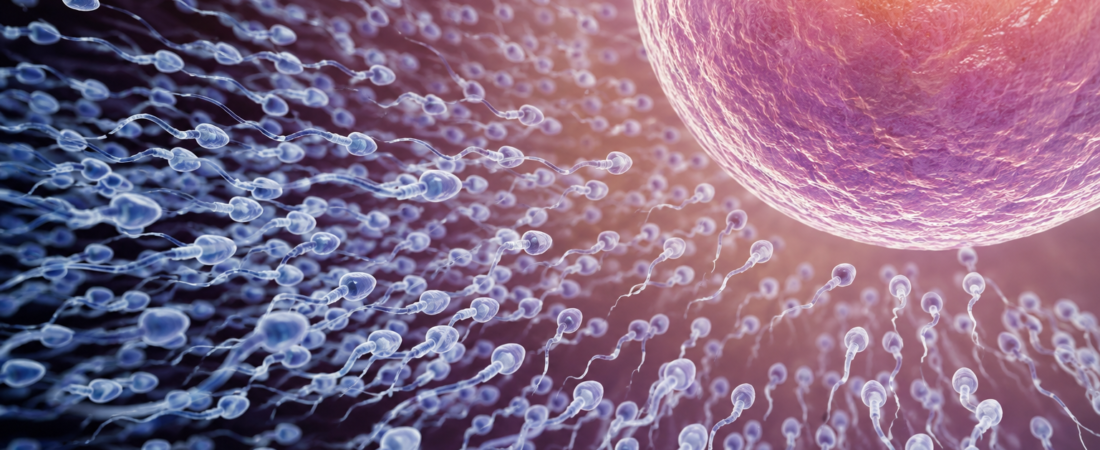
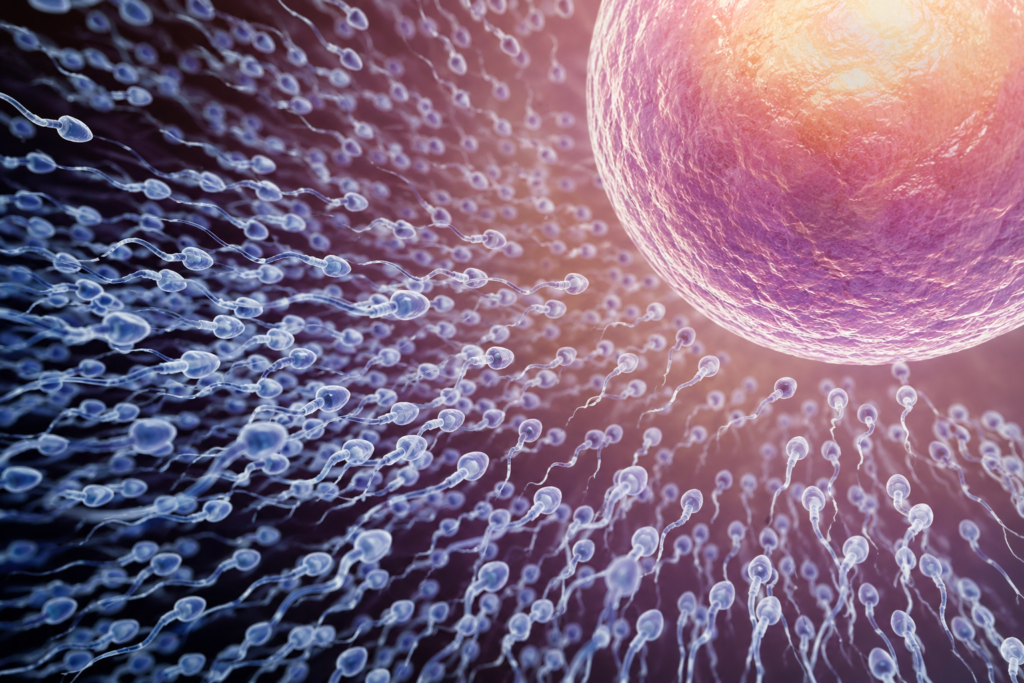
As Humidity Rises, Sperm Lose Their Strength
Many men think of ‘heat’ first when discussing genital health in the summer. However, male infertility specialists (urologists) argue that the rainy season is, in fact, a trickier time. The combination of high humidity, poor ventilation, and the habit of wearing damp underwear for extended periods can place significant stress on the testicles, where sperm are produced.
The testicles are a unique organ in the human body. Unlike the heart or liver, which are deeply protected within the body, they protrude outside. There is only one reason for this: to produce sperm, they must be maintained in an environment approximately 2–4°C lower than the core body temperature.
During the rainy season, this natural cooling system is easily compromised.
If you spend long hours in wet underwear after getting caught in the rain, or if you wear tight underwear in a humid environment, heat and moisture cannot escape. When the micro-temperature around the testicles rises, the cells responsible for sperm production become the first to experience stress.
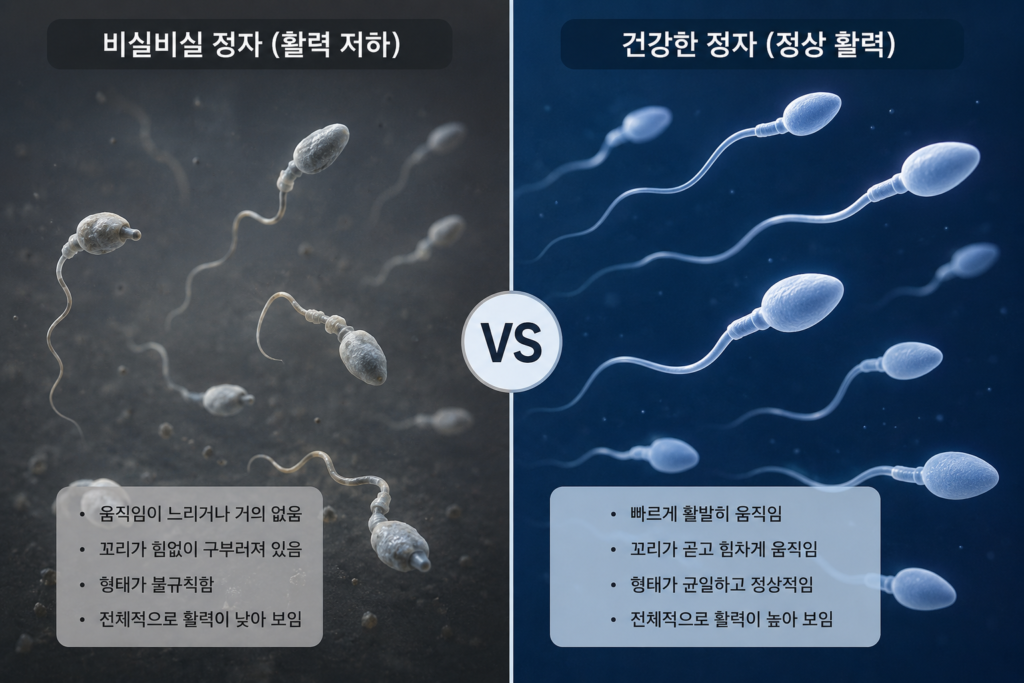
In fact, recent reproductive medicine studies consistently report that repeated increases in testicular temperature can decrease sperm concentration, motility, and the percentage of normal-shaped sperm. There are also numerous studies suggesting that the longer a high-temperature environment persists, the more likely sperm DNA damage increases.
Another Problem: Humidity
While high humidity itself does not directly damage sperm, in poorly ventilated environments, heat dissipation from the skin’s surface becomes difficult, causing the temperature inside the scrotum to rise easily. This is particularly true for office workers who drive for long periods or sit at desks for hours, as heat is more easily accumulated.
It is also surprisingly common to spend all day working while wearing wet jeans on a rainy day. Even if your skin feels dry, your underwear often remains damp. If this environment is repeated, the genital skin becomes a breeding ground for fungal and bacterial infections, increasing the likelihood of problems such as itching, eczema, or scrotal dermatitis.
Men often dismiss these symptoms as simple prickly heat, but repeated inflammation can affect not only one’s quality of life but also sexual life.
The testicles are sensitive to chronic inflammation as well as heat. Repeated inflammation on the genital skin can increase local inflammatory substances and oxidative stress, which is unfavorable for the sperm production environment. While there is insufficient evidence to claim that simple fungal skin infections lead directly to infertility, it is best to avoid leaving them unmanaged for long periods.
Rainy Season Lifestyle Changes
Rainy days often mean reduced physical activity and longer hours spent indoors. Time spent walking in wet shoes or lying on the sofa looking at a smartphone after work increases. You cannot be complacent just because you are indoors with air conditioning; sitting for long periods on chairs that don’t allow airflow prevents heat around the testicles from escaping.
Recently, the habit of using a laptop on your lap for long periods has also become a problem. Studies have reported that the heat generated by the laptop itself, combined with the posture, can raise scrotal temperature.
Fortunately, prevention is not difficult.
The most important thing is to avoid wearing wet underwear for long periods. If you have been rained on or have sweated profusely, change as soon as possible. Choosing cotton underwear that allows for good ventilation and avoiding overly tight briefs or skinny jeans for long hours is helpful.
If you are an office worker who sits all day, it is recommended to stand up and walk around once every hour. This is not only good for exercise, but it also has the effect of cooling down the heat around the testicles.
If itching or red rashes on the genital skin persist for more than 1–2 weeks, it is safer to consult a urologist or dermatologist rather than dismissing them as simple heat rash.
Sperm are produced over approximately 70–80 days. This means today’s lifestyle habits determine the health of your sperm two months from now.
Many people only worry about the peak heat waves of summer, but for male reproductive organs, a ‘humid environment’ leaves a longer-lasting impact than ‘hot weather’ alone. This is why the habit of wearing a single pair of damp underwear for too long during the rainy season can make a bigger difference than you might think.
※ This article is based on the latest medical evidence analyzing male reproductive medicine research published in international academic journals and the effects of environmental factors on sperm health. It does not replace a specific individual’s diagnosis or treatment, and actual medical judgment must be made through consultation with a specialist.
※ Image: Created using generative AI (ChatGPT, OpenAI); depicts fictional individuals, not real people.
Medical References (Sources)
- Materials and international academic journal articles published by:
- ASRM (American Society for Reproductive Medicine)
- ESHRE (European Society of Human Reproduction and Embryology)
- WHO (World Health Organization)
- KUA (Korean Urological Association)
- KSRM (Korean Society for Reproductive Medicine)