


ESHRE Presentation: Changes in Sperm Gene ‘Switches’ Confirmed Male Infertility: Now Looking Beyond Sperm Count to the Quality of DNA
Research findings indicate that the air we breathe every day can alter a man’s sperm DNA. With confirmation that air pollution—including fine dust, ozone, and automobile exhaust—can affect the ‘switches’ that regulate gene expression in sperm, new attention is being focused on research into male infertility.
According to a study recently presented at the European Society of Human Reproduction and Embryology (ESHRE), American researchers analyzed the correlation between air pollution exposure over the roughly three months it takes for sperm to be produced and genetic changes in sperm for approximately 2,000 men.
The results showed that men exposed to higher levels of ozone (O₃), nitrogen dioxide (NO₂), and particulate matter (PM) exhibited different DNA methylation patterns in various areas of their sperm DNA. The impacts of ozone and nitrogen dioxide were particularly pronounced.
DNA methylation is not a mutation where the gene itself changes. Rather, it is an epigenetic regulatory mechanism that determines whether a specific gene is activated or suppressed while the genetic base sequence remains the same. Simply put, it is not that the blueprint of the gene changes, but the way the blueprint is read.
In this study, researchers identified 39 areas of altered DNA methylation. Among these was the GNAS gene, which has been reported to be associated with sperm function, embryo development, and fetal growth.
While this study alone is not enough to conclude that air pollution directly causes infertility, it is a significant finding. The research team explained that while it has not yet been proven to cause decreased pregnancy rates, increased miscarriages, or poor health in offspring, further research is required.
Nevertheless, this study highlights how quickly the perspective on male infertility is changing.
In the past, sperm count, motility, and normal morphology were the core criteria for judging male fertility. Recently, however, how sperm DNA fragmentation and epigenetic changes affect fertilization success rates, embryo quality, and pregnancy maintenance has emerged as a new field of study.
In fact, research has consistently shown that smoking, obesity, high-heat environments, endocrine-disrupting chemicals, pesticides, and heavy metal exposure increase DNA damage in sperm. This study is meaningful as it provides evidence that air pollution can also affect the gene regulatory system of sperm.
Experts advise that men should also manage their living environments at least three months before pregnancy preparation. Since sperm are created anew over about 70 to 90 days, the possibility that exposure to air pollution during this period—as well as smoking, drinking, sleep deprivation, and excessive stress—can affect sperm quality cannot be ruled out.
This study moves beyond an era where the cause of male infertility was sought simply in sperm count or motility, suggesting the possibility that the living environment can affect sperm DNA and even the health of future generations. Just as “what you eat” is important, “what kind of air you breathe” is emerging as a critical variable in reproductive health.
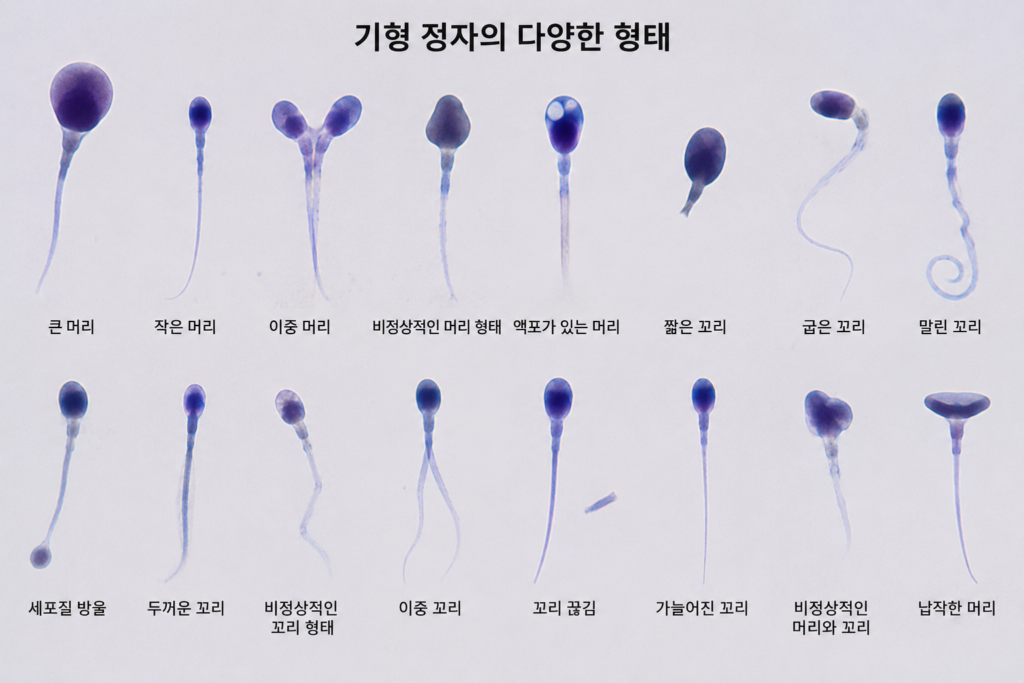
※ This article was written based on research presented at the European Society of Human Reproduction and Embryology (ESHRE) and overseas reports. It does not replace a specific individual’s diagnosis or treatment, and actual medical judgment must be made through consultation with a specialist.
※ Images: Created using generative AI (ChatGPT, OpenAI); depicts fictional individuals, not real people.