
Fertility Report
Fertility Report
Reference-style explainers for fertility terms, treatments, research topics, and common questions.
-
The Truth About DHEA: Can It Really “Awaken” Your Ovaries?
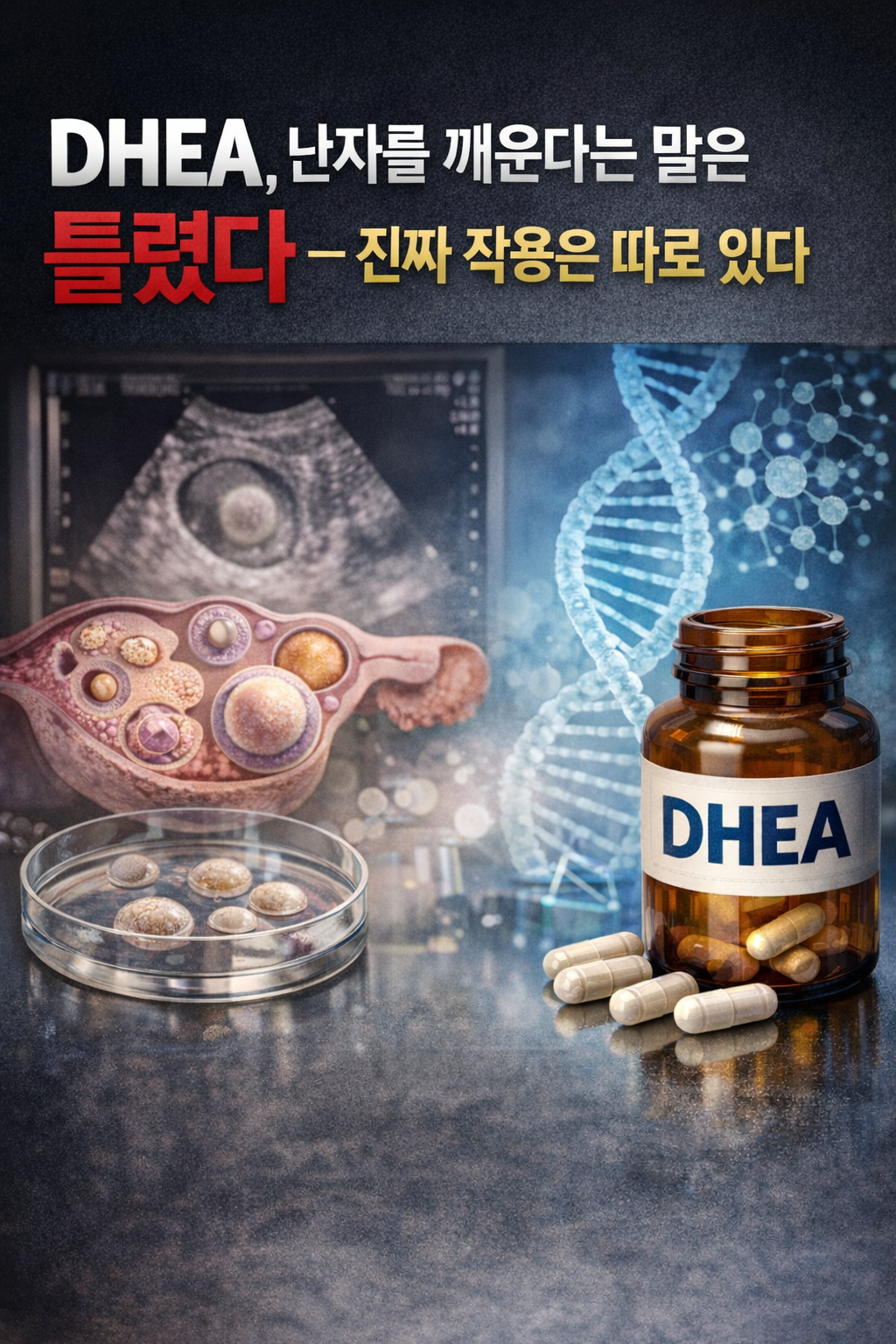
“I heard that taking this supplement can actively revitalize and awaken my eggs.” Women navigating the realities of diminished ovarian reserve (DOR) are profoundly driven by urgency. They cling to the hope that integrating DHEA into their regimen might yield even one additional follicle during their next cycle. To establish the clinical reality straightforwardly: DHEA…
-
IVF Stimulation Injections: Hormone Therapy or Potential Risk?
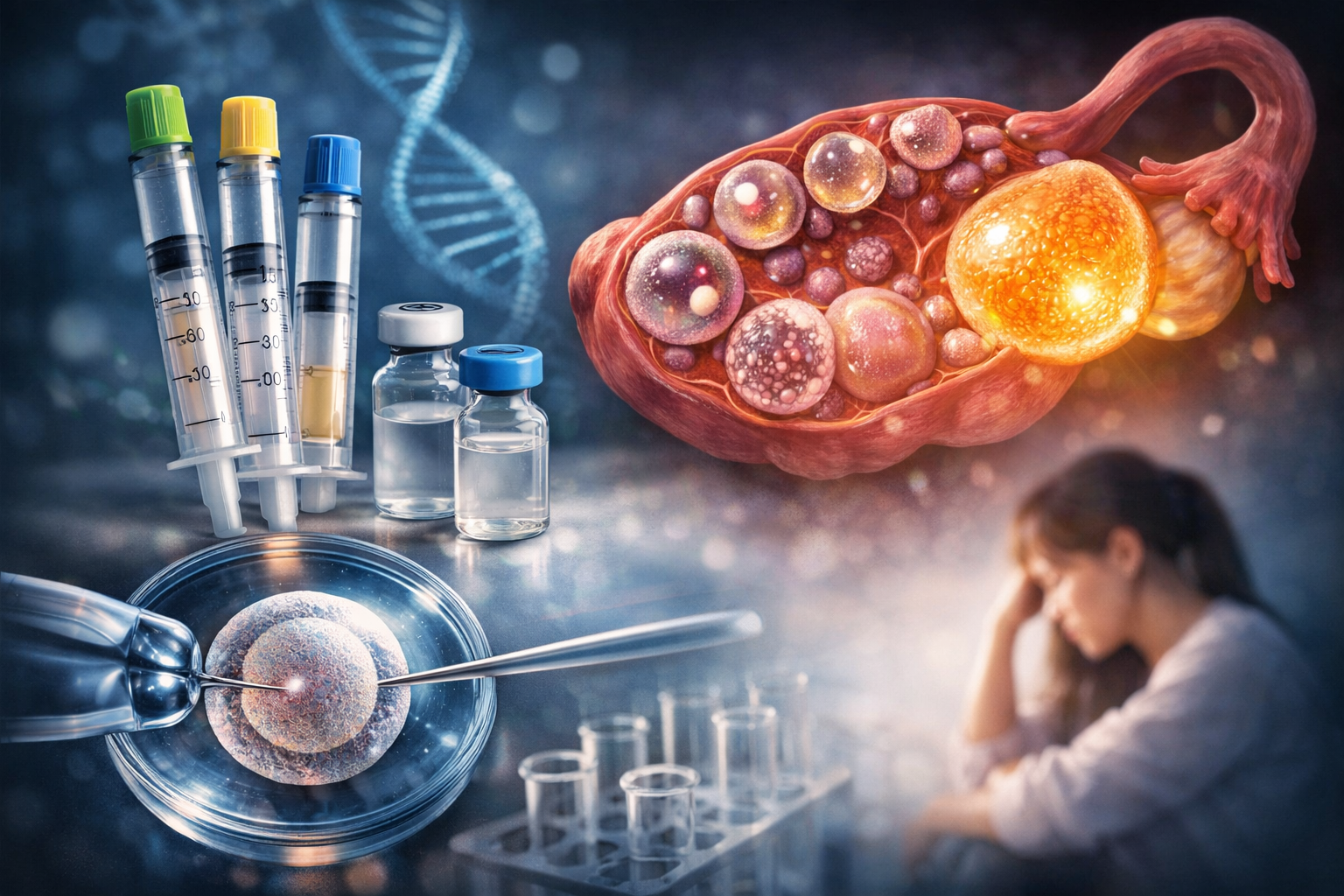
“Is it truly safe for me to take these injections?” This is a question that countless women ask immediately prior to initiating ovarian stimulation. This inquiry does not stem from mere curiosity; it is a primal, instinctive caution against artificially altering the body’s natural physiological rhythms. To resolve this anxiety, we must precisely comprehend the…
-
Can CoQ10 Really Revitalize Egg Quality?

At some point, Coenzyme Q10 (CoQ10) quietly transformed into an absolute staple within the fertility market. While it is rarely found on a formal hospital prescription, it is almost never missing from a patient’s personal bag. Whenever you open the internet, phrases like “improving oocyte quality” and “elevating pregnancy success rates” are endlessly repeated, and…
-
The 23 Crossroads of Life: Unlocking the Hidden Risks in Our Chromosomes

The human body is not a flawless, completed entity; rather, it is a delayed breakdown. Medical textbooks routinely state that the human body comprises 23 pairs, or a total of 46 chromosomes. Legacies of education stop right there, implying that once you memorize the numbers, the lesson is complete. In the clinical reality of genetics,…
-
The Mosaic Dilemma: Navigating the Uncertainty of Embryo Transfer
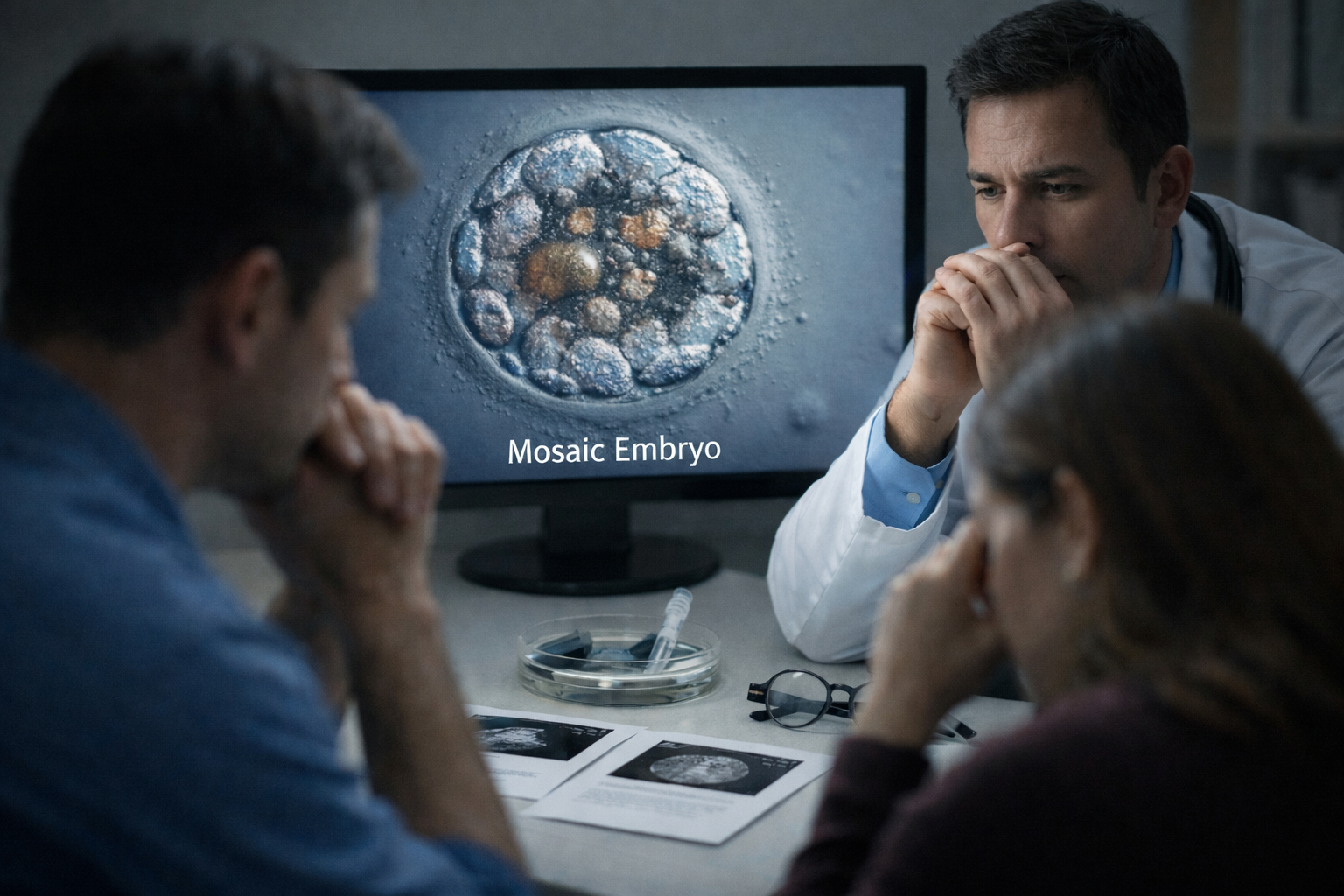
An uncomfortable truth that is neither strictly normal nor absolutely abnormal. It stands not as a subject for definitive judgment, but as a source of profound clinical dilemma. In front of a solitary embryo, the air inside the consultation room momentarily freezes. To classify it as premium feels highly hesitant, yet to discard it entirely…
-
The Illusion of Perfection: Uncovering the Reality of PGT-A

What exactly is PGT-A? The most common answer to this question is deceptively simple: it is a diagnostic test that verifies the chromosome count of an embryo. However, this high-level explanation falls short of capturing the true underlying nature of the technology. PGT-A stands for Preimplantation Genetic Testing for Aneuploidy. Rather than a mere diagnostic…
-
The Four Hurdles of Natural Conception: Why It’s Not Always Easy
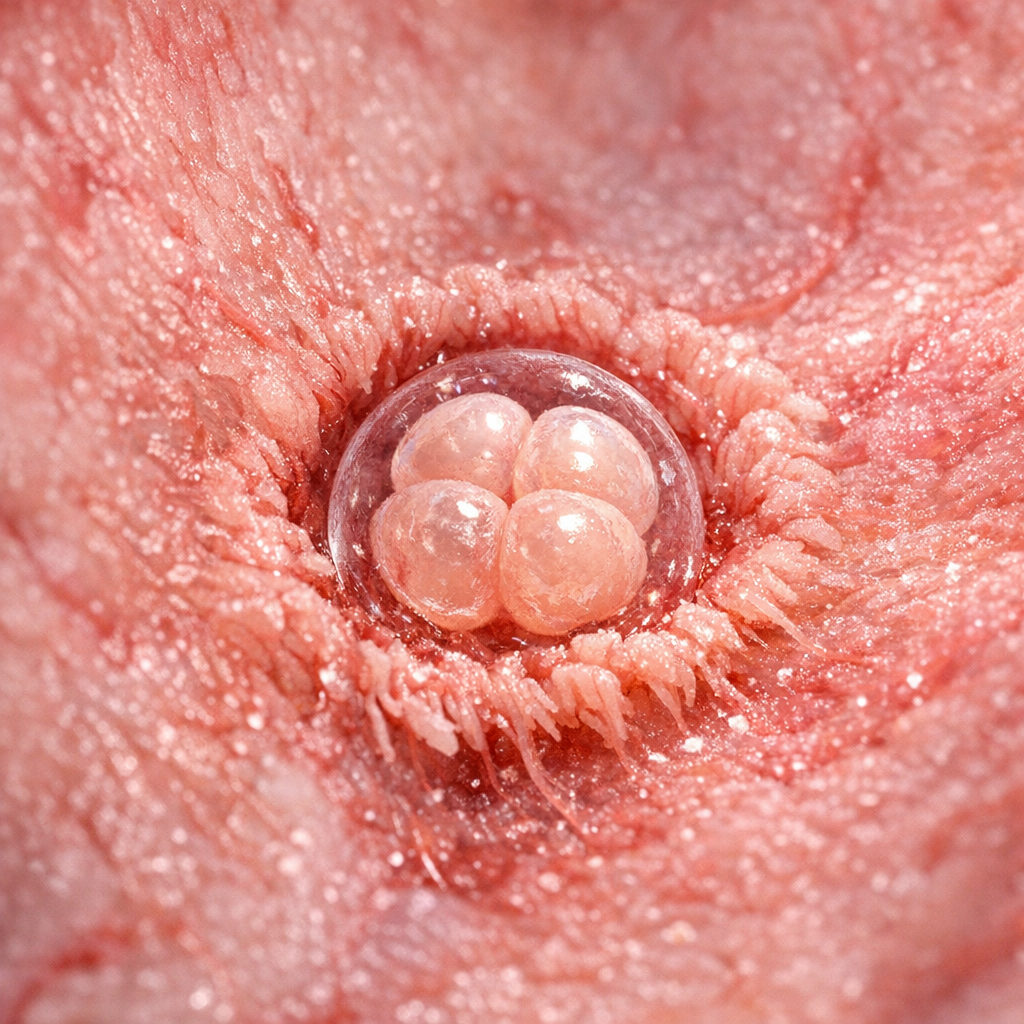
Achieving a successful pregnancy and live birth is not a singular, isolated event; rather, it is a complex biological journey completed only when four consecutive hurdles are successfully navigated. The 4-Step Mechanism of Conception The Clinical Reality of Infertility To bring a healthy baby home, a couple cannot simply excel at one or two of…
-
One Embryo: Should You Transfer Now or Wait Another Day?
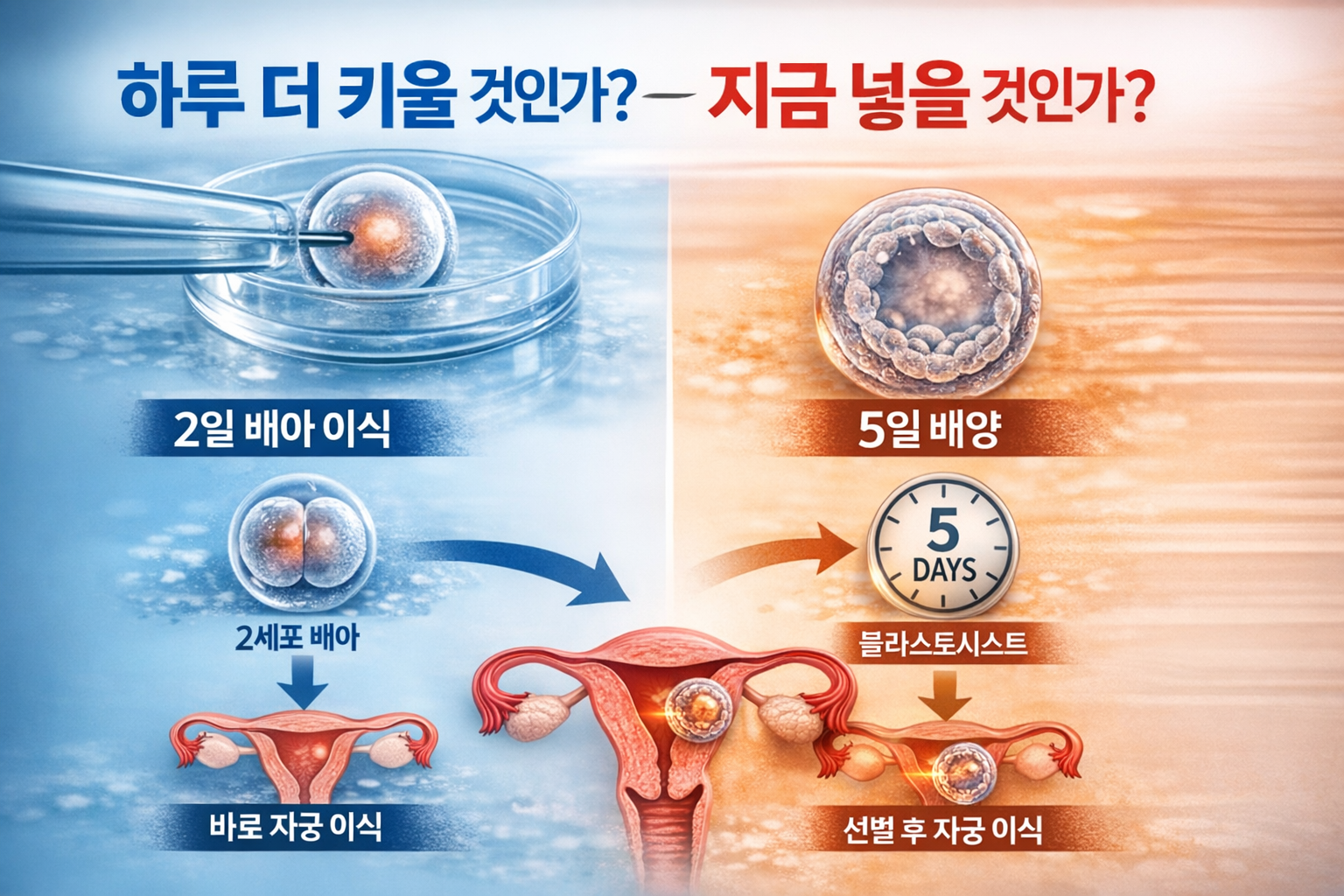
A single embryo, two distinct destinies. Should you transfer on Day 2, or extend the culture further? The most critical decision in an In Vitro Fertilization (IVF) cycle often disguises itself as a deceptively simple question: Should we culture the embryo for another day, or transfer it into the uterus right now? The exact moment…
-
Why “Visually Perfect” Eggs Can Still Fail
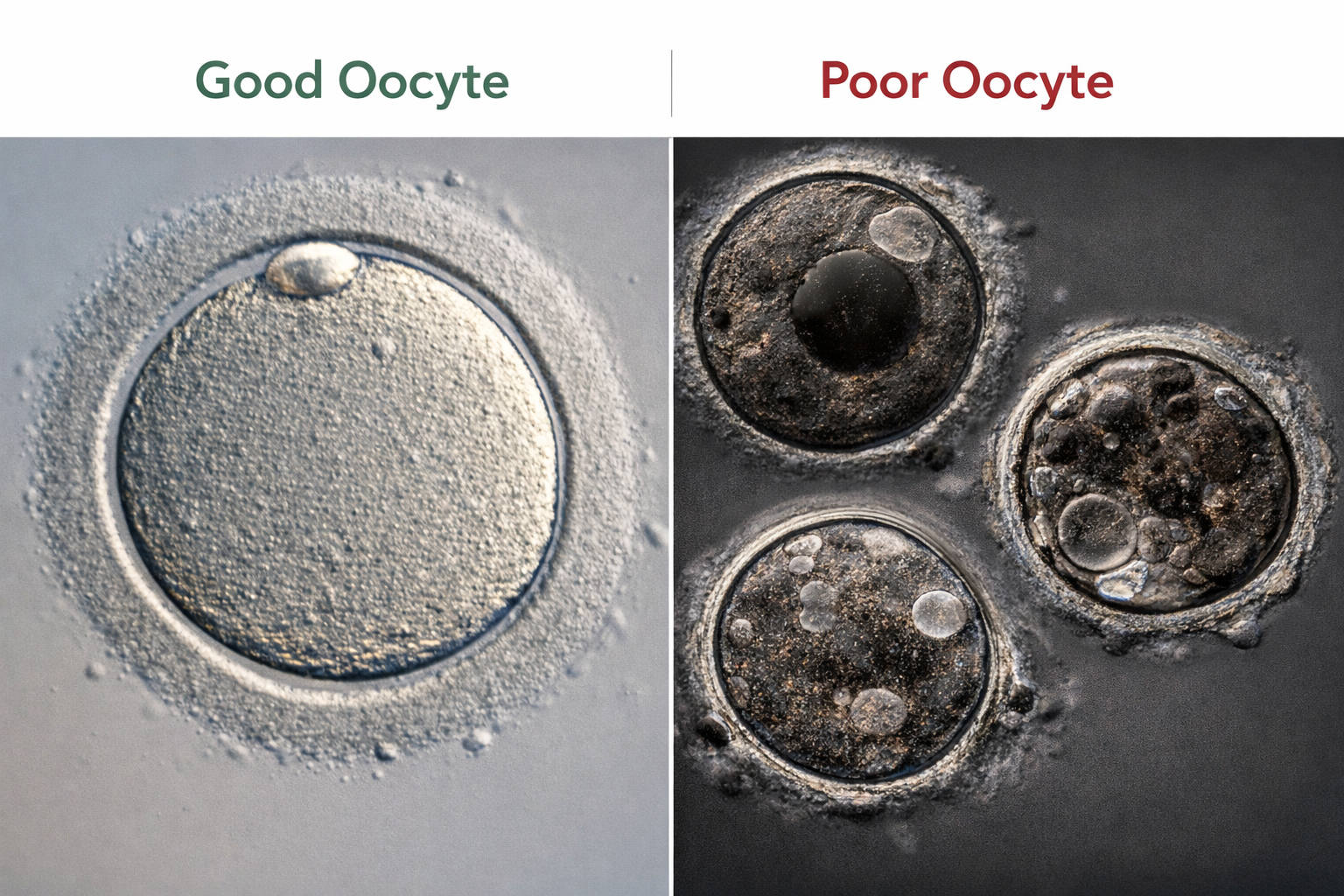
There is a phrase that patients undergoing In Vitro Fertilization (IVF) repeat with the highest frequency: “Please select the best oocytes to proceed with fertilization.” This request, however, is fundamentally flawed from the very beginning. An oocyte is not a commodity that can be superficially selected. Furthermore, there is a more critical truth: oocytes that…
-
When Fertilization Fails: Investigating the Reasons Behind IVF Disappointments
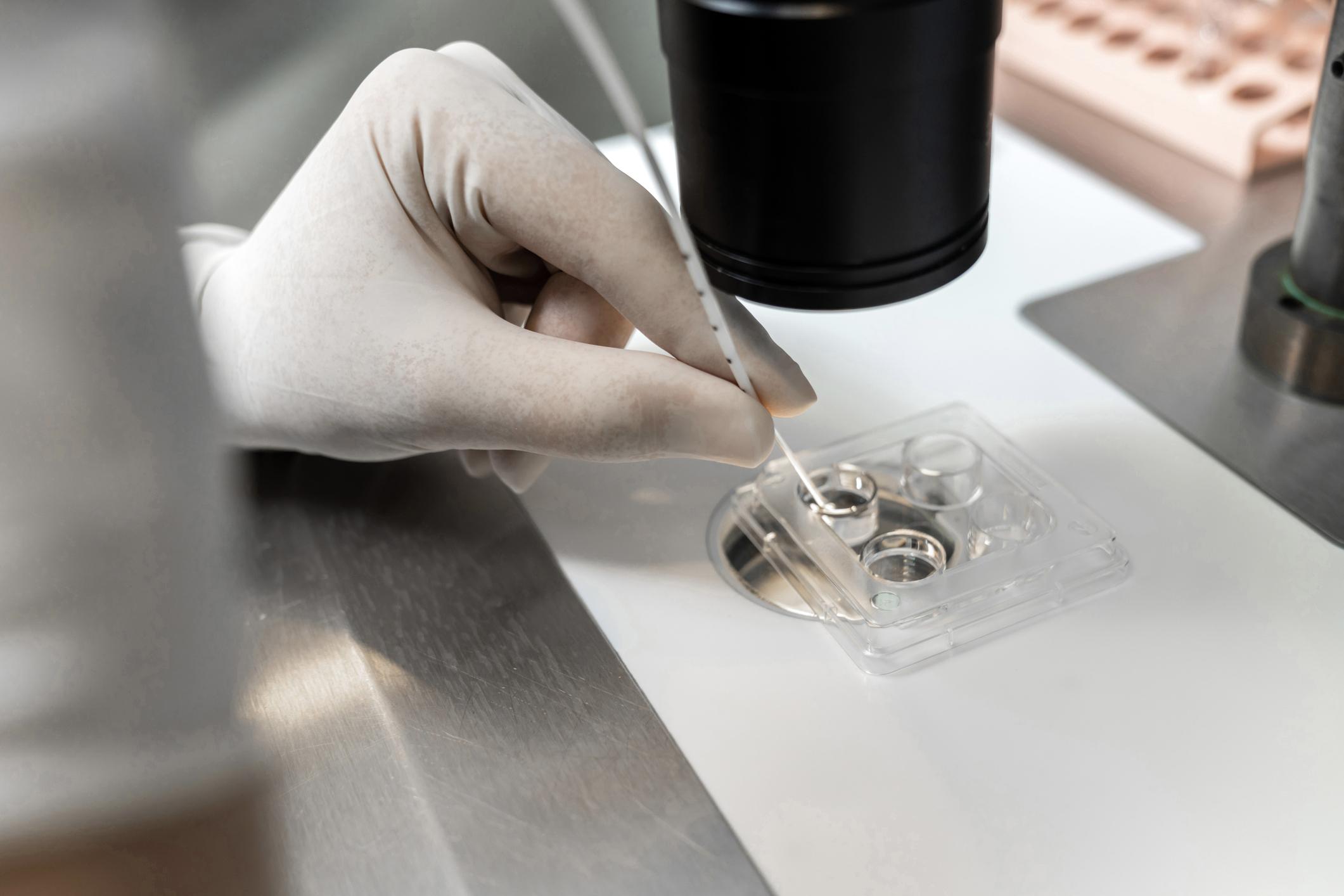
There is a moment during an In Vitro Fertilization (IVF) cycle that is profoundly quiet. It is the mere span of a few seconds when a single sperm is micro-injected into an oocyte. On the laboratory monitor, it appears as though absolutely nothing unusual is taking place. The oocyte retains its perfectly spherical shape, and…
-
Why Results Vary: The Critical Impact of Embryo Culture Expertise
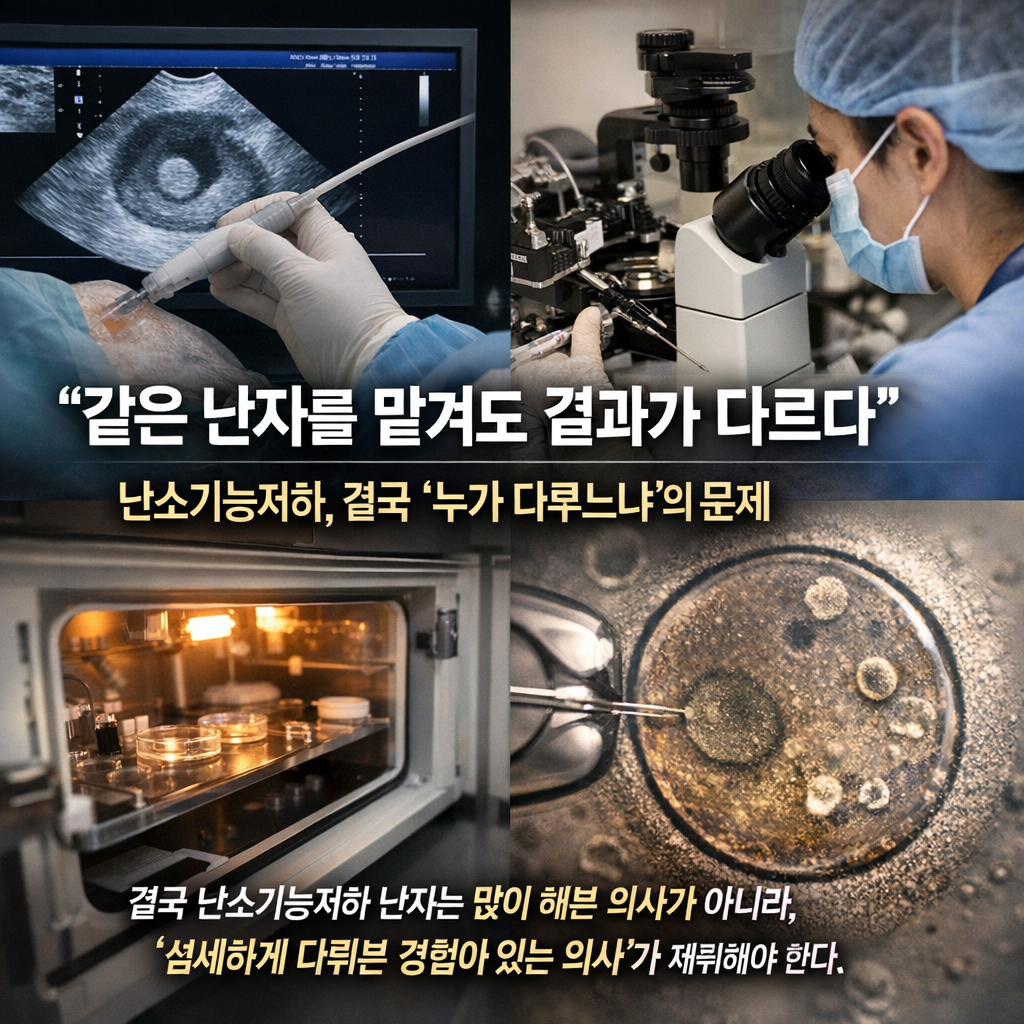
In the field of In Vitro Fertilization (IVF), the same question is asked with high frequency: Are oocytes harvested from an ovary with diminished ovarian reserve (DOR) genuinely weaker? And if so, where exactly does this biological deficit manifest? The conclusion is straightforward: These eggs are not simply “fewer in number”; they are inherently “far…
-
Why Adenomyosis Can Be More Challenging Than Fibroids for IVF Success
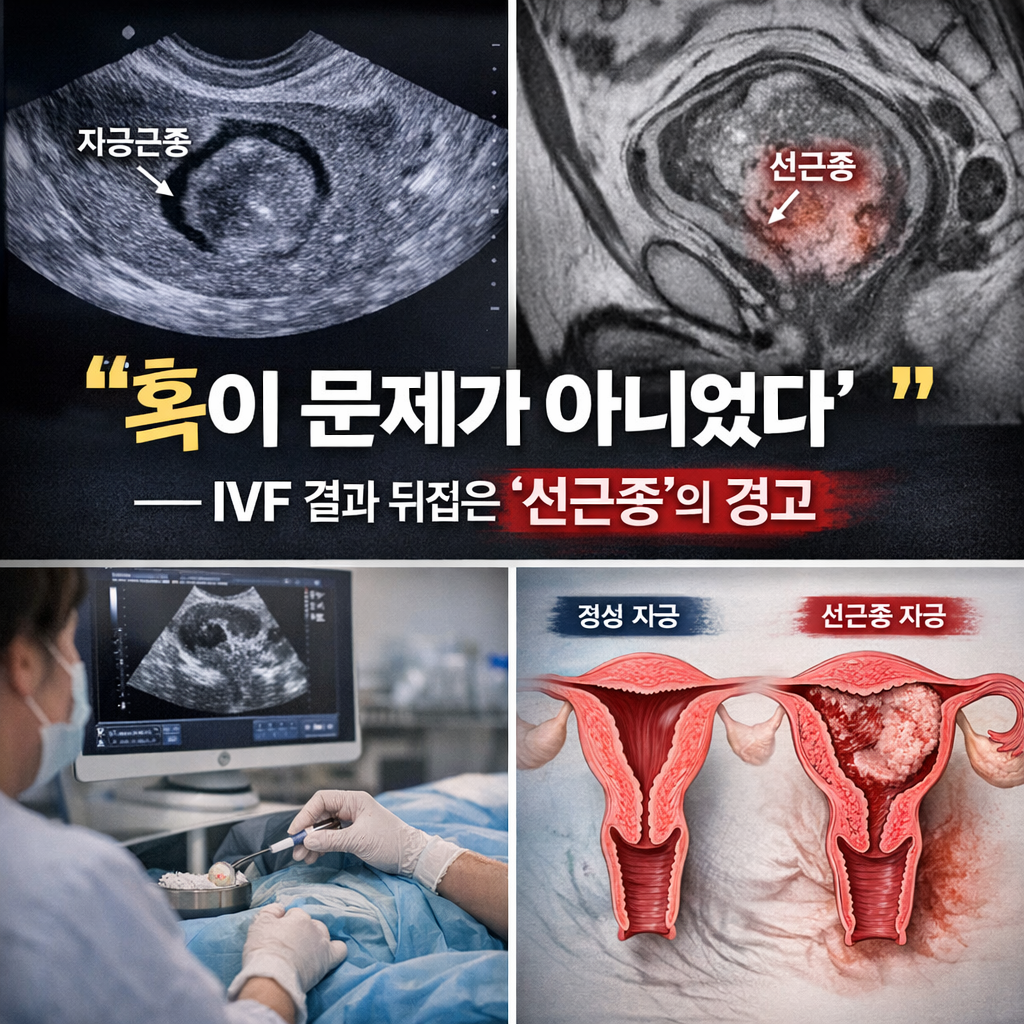
In the field of In Vitro Fertilization (IVF), uterine fibroids have long stood as a primary clinical variable. Depending on their size and localized anatomical position, specialists carefully weighed the necessity of surgical removal, and myomectomy frequently served as the baseline starting point for a patient’s reproductive strategy. However, recent landmark data is fundamentally challenging…