
Latest posts
-
Uterine Anomalies and Preterm Birth: What 878,000 Korean Deliveries Reveal
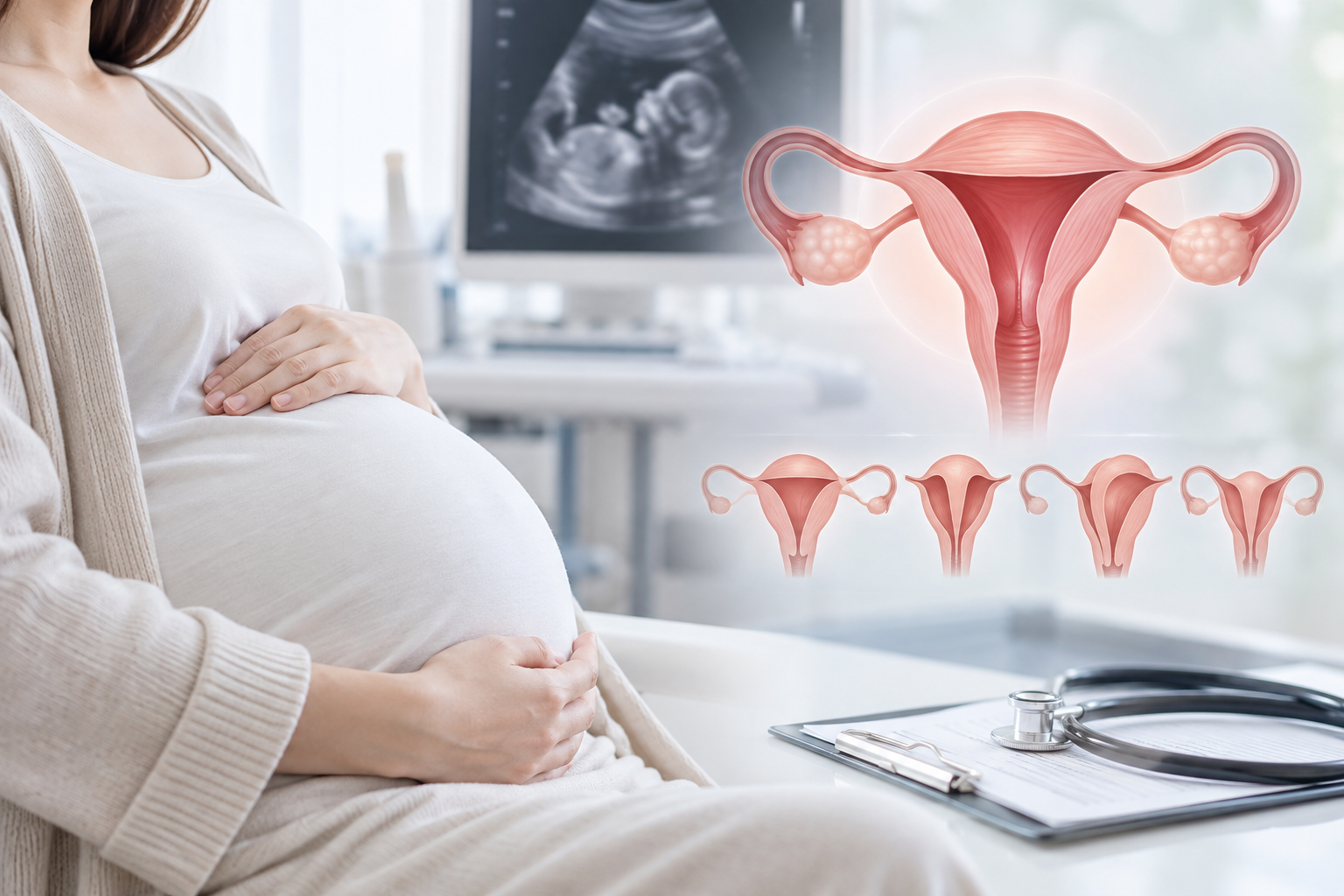
A Korean cohort linked congenital uterine anomalies to higher odds of preterm birth, placental abruption and breech presentation. Here is what the numbers mean.
-
Obesity and IVF Embryo Development: Does Metabolic Health Tell the Whole Story?
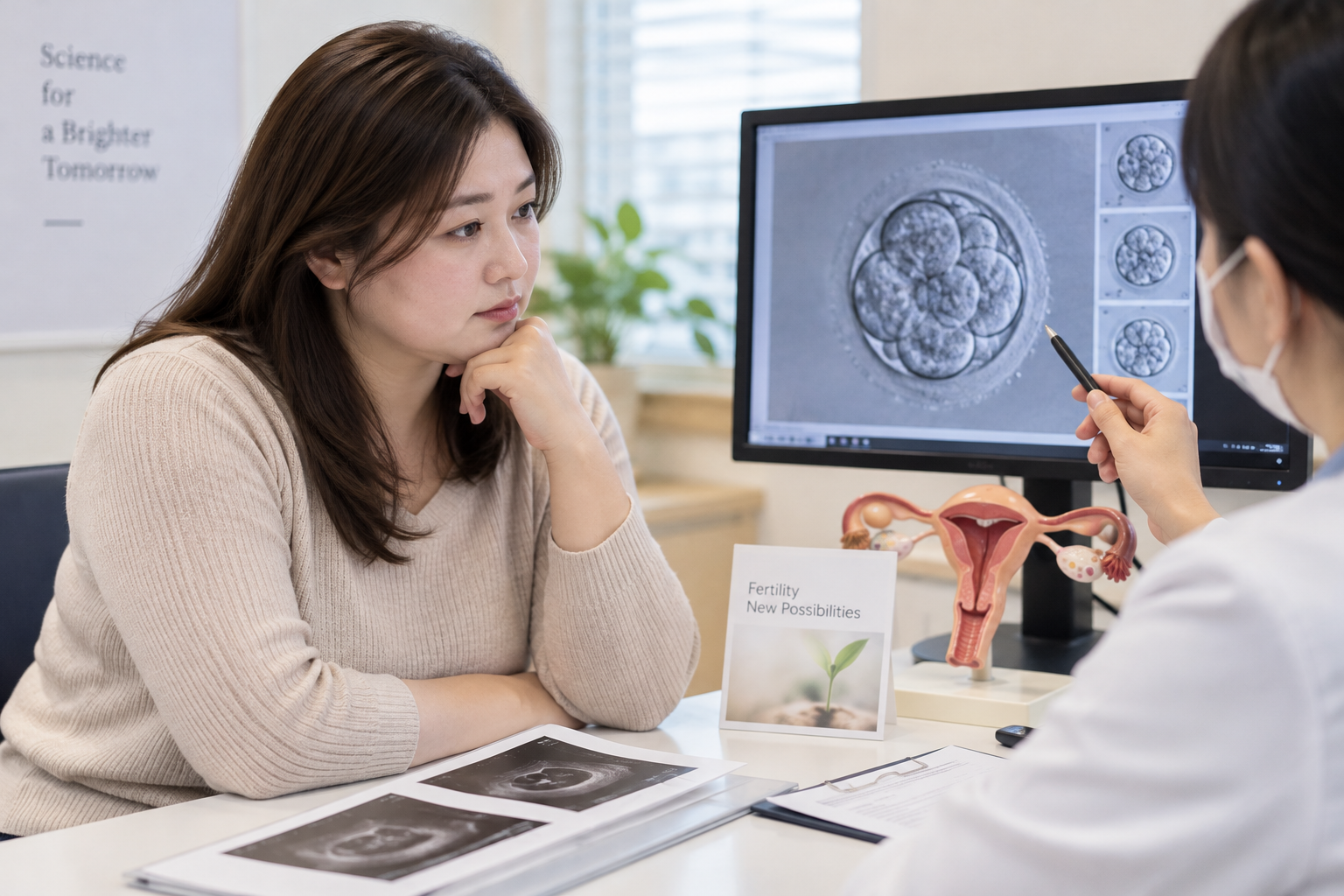
A study of 3,770 women linked higher BMI to lower fertilization and blastocyst-quality measures, even with good metabolic health. Live-birth findings differed.
-
IVF Ultrasound at 6 Weeks 5 Days: No Embryo—Does It Mean Miscarriage?
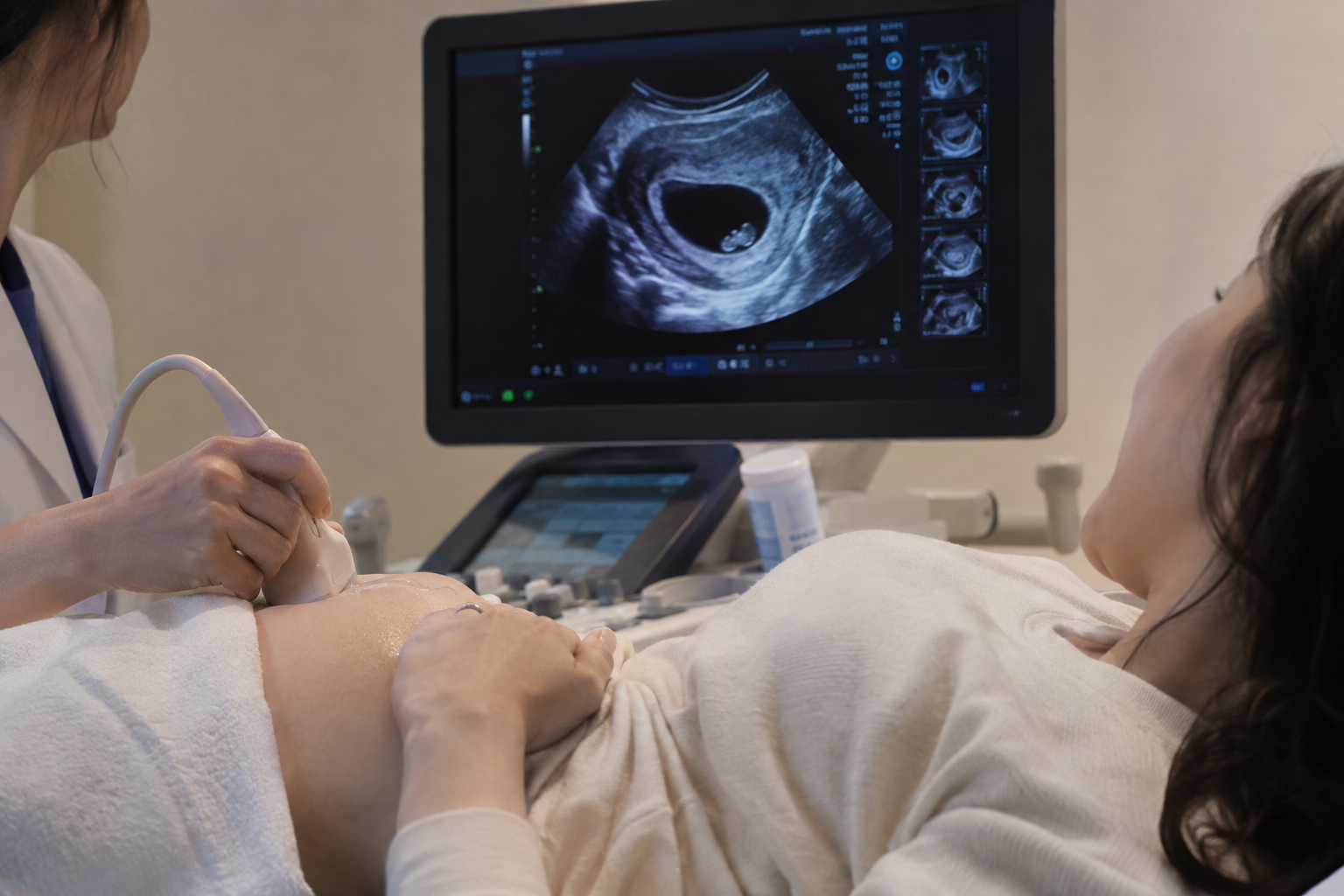
A UK study of 10,009 IVF pregnancies tested a 47-day ultrasound threshold. What the findings mean—and why further validation is essential.
-
Antibiotics for Recurrent Miscarriage: No Clear Benefit in a 438-Woman Trial
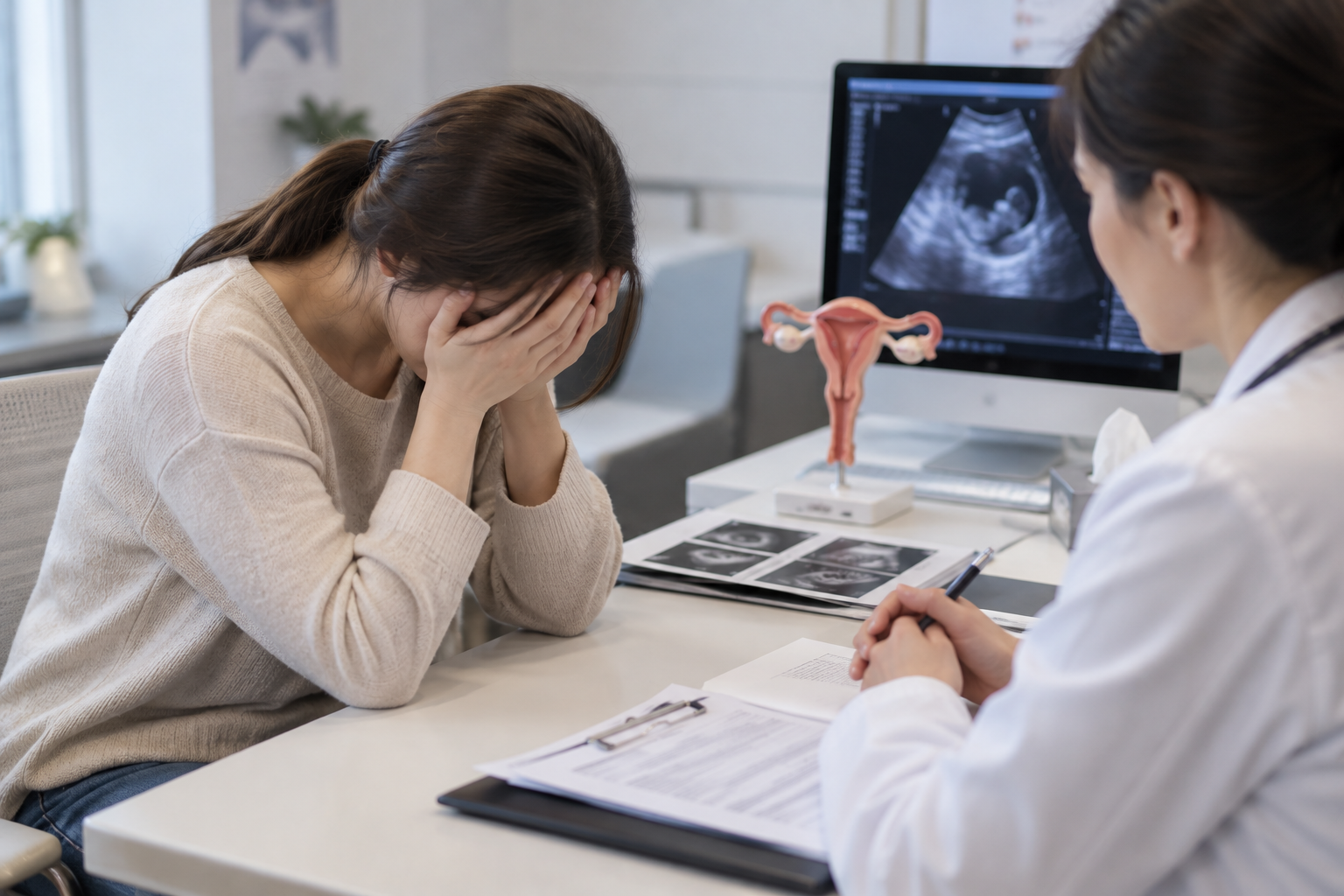
A UK trial of 438 women with recurrent miscarriage and CD138-positive endometrial findings found no significant benefit from doxycycline over placebo.
-
AI Prediction of IVF Pregnancy: What Did 6,076 Women Reveal?
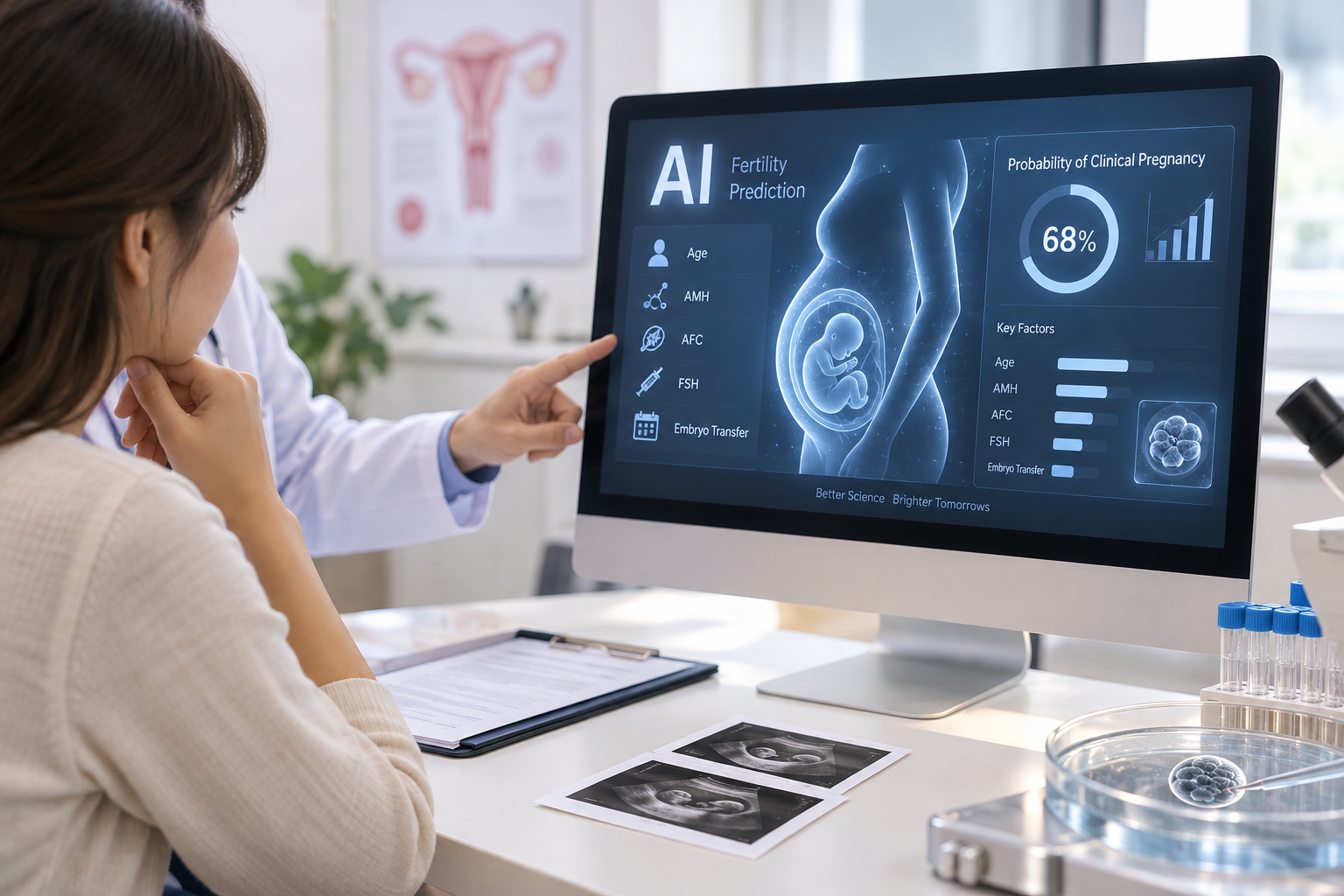
Seven AI models used routine IVF data from 6,076 women. The best validation AUC was 0.606—why clinical pregnancy prediction still has major limits.
-
Progynova and Ovarian Insufficiency: Follicle Growth, Not Menopause Reversal

Estradiol pretreatment reports describe residual follicle growth in ovarian insufficiency. They do not prove new egg production or reversal of natural menopause.
-
Endometriosis and Adenomyosis: Longer Periods, but Not Necessarily More Pain
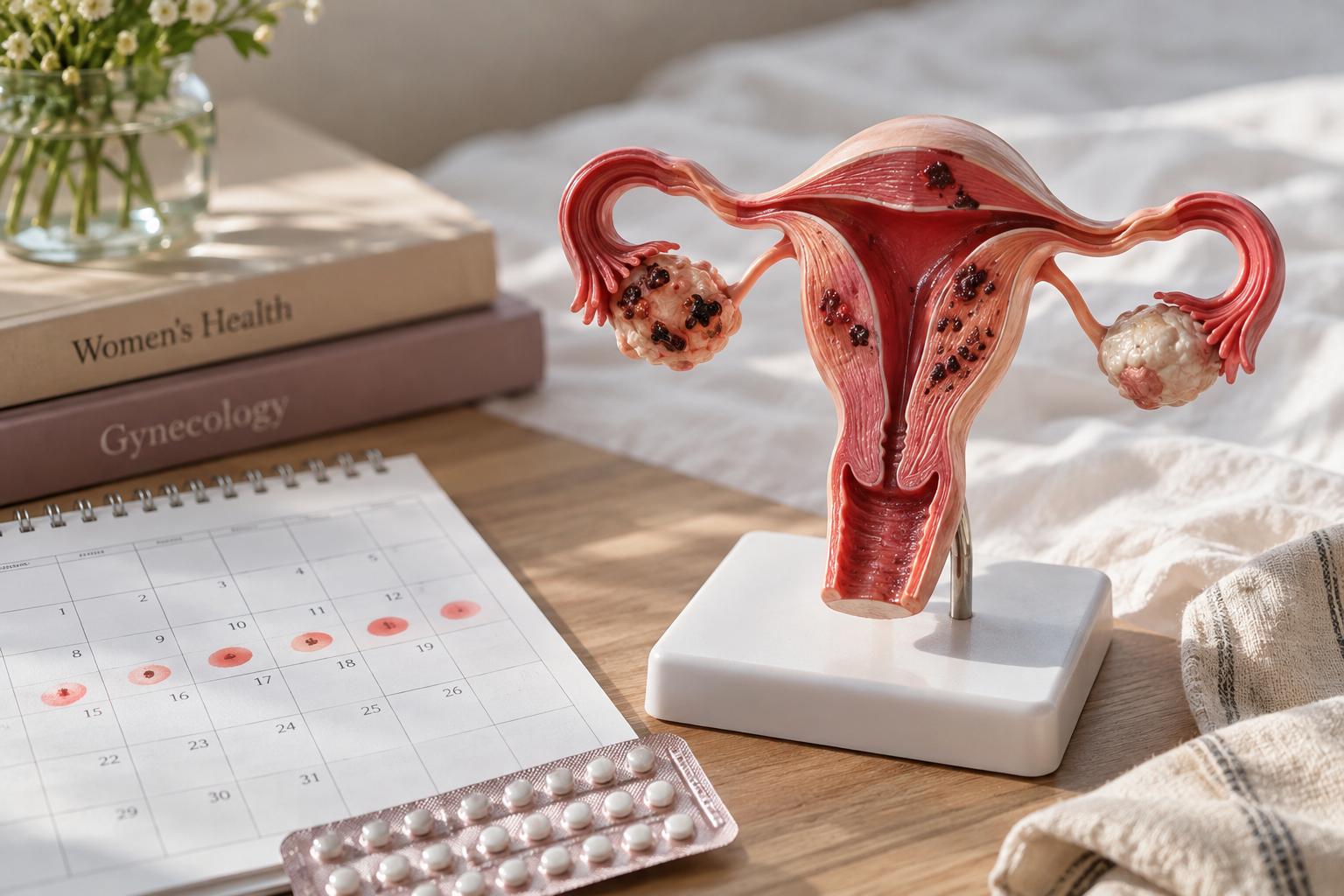
In 119 surgical patients, coexisting adenomyosis was linked to longer bleeding and more bowel symptoms, without significant differences in pain or infertility.
-
Endometriosis Pain by Location: Why Superficial Lesions Can Hurt So Much
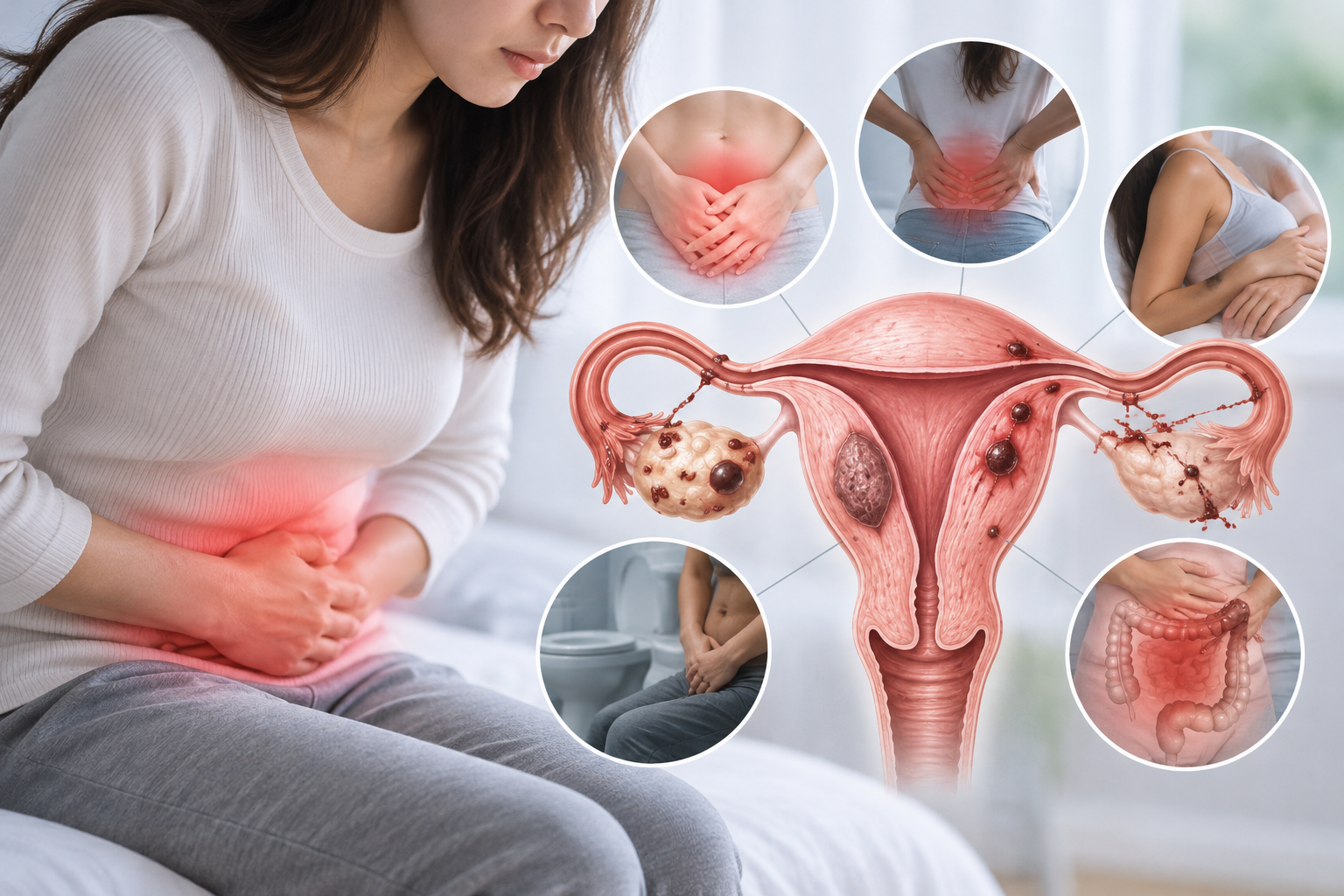
A study of 234 affected women linked superficial lesions with several pain symptoms. Location and hormonal-treatment response require careful interpretation.
-
Slow IVF Embryos, Normal Chromosomes: Are Good Embryos Being Left Behind?
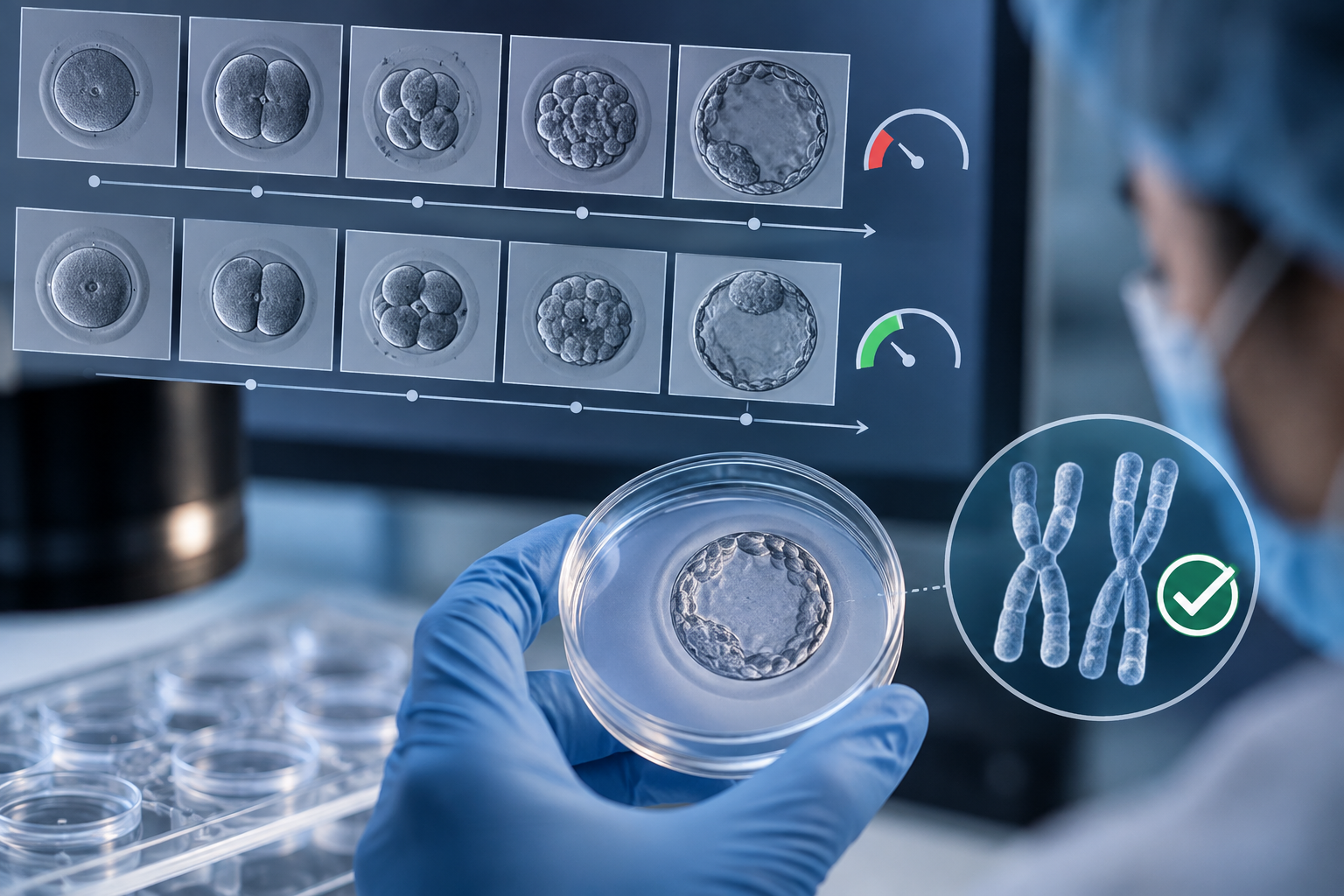
Among 1,711 blastocysts, low timing scores did not reliably signal abnormal chromosomes. What the findings mean for time-lapse embryo selection.
-
IVF Lab Air Quality: Cleaner Air, Better ICSI Blastocysts?
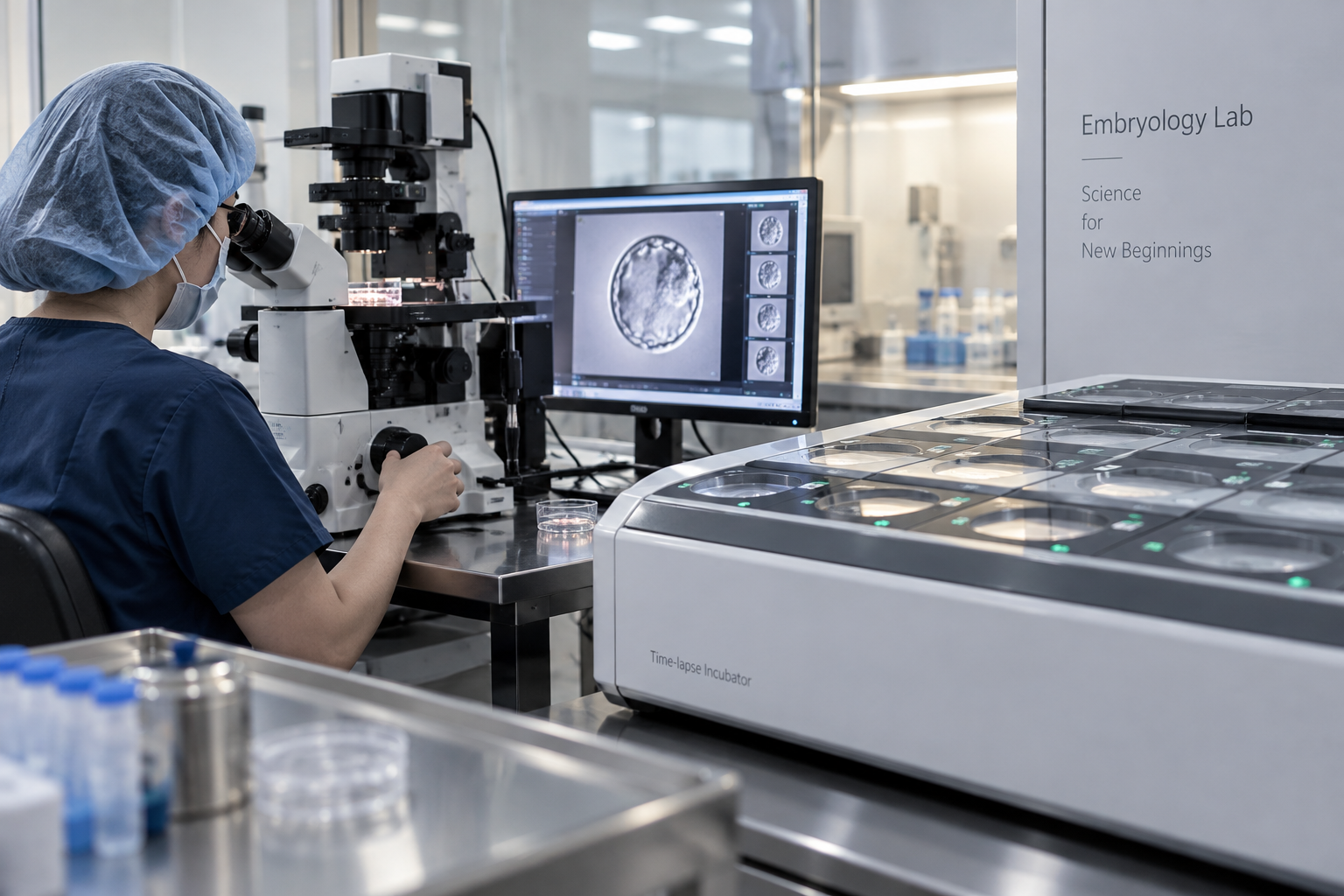
A Kyoto study linked VOC filtration with more high-quality ICSI blastocysts, without a clear change in overall blastocyst formation.