
Latest posts
-
Endometriosis Pain: Why the Location of a Lesion May Matter More Than Its Depth
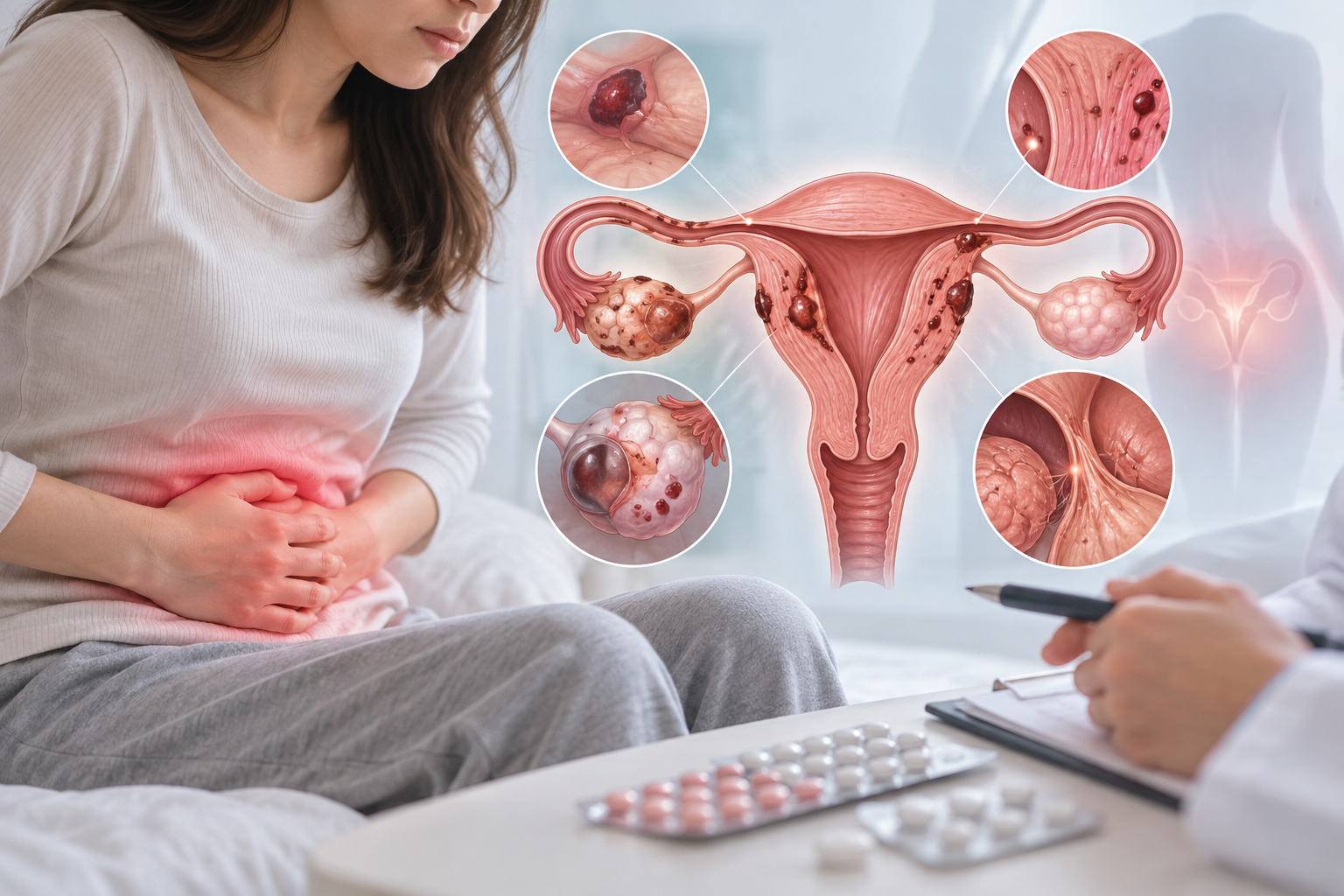
In 234 women, endometriosis location was linked to pain patterns and some hormone-treatment responses. Superficial lesions did not necessarily mean mild pain.
-
Obesity and Pregnancy Loss After IVF: Higher Odds Despite Similar Clinical Pregnancy Rates
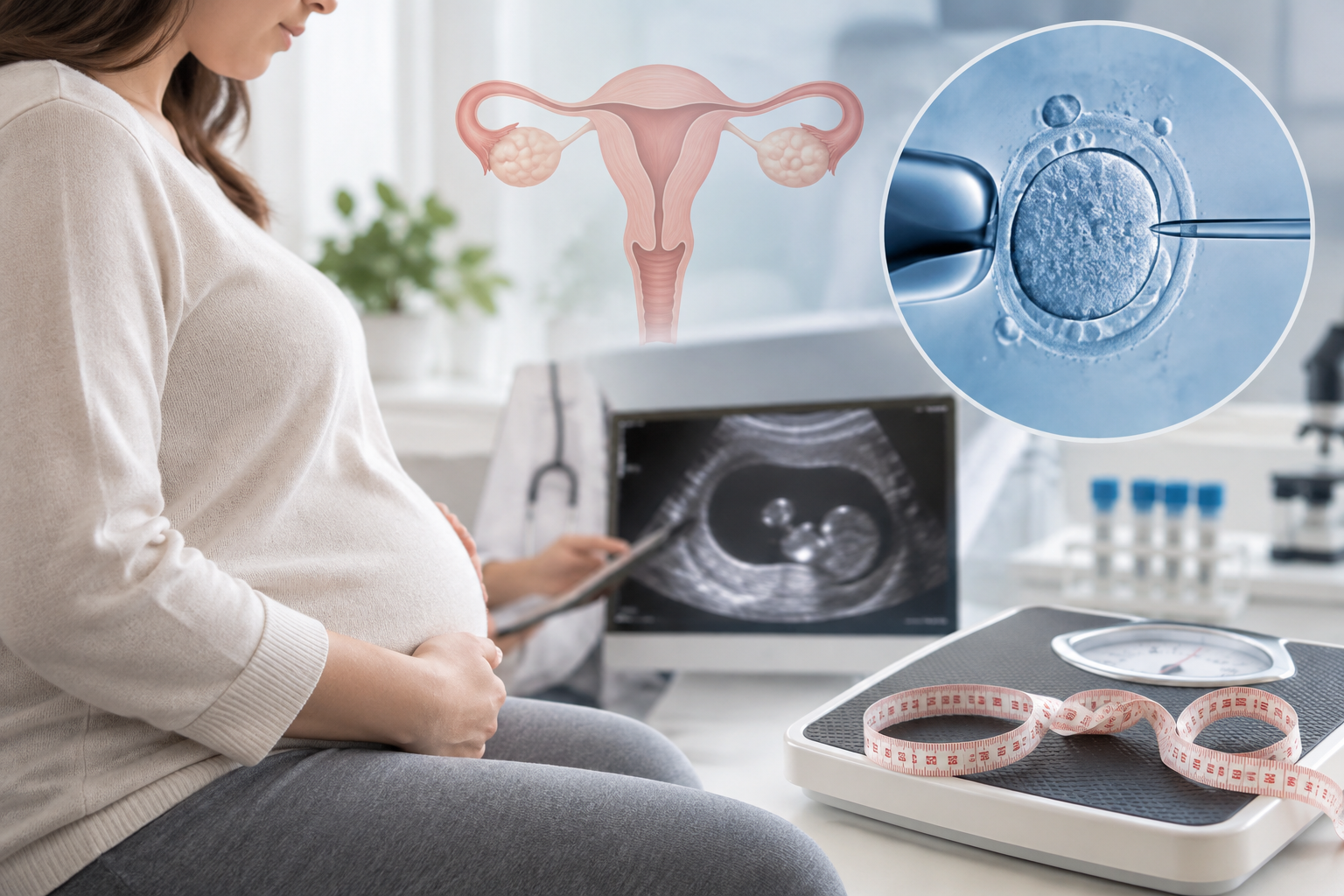
An 8,923-cycle study linked obesity with higher pregnancy-loss odds, but not clinical pregnancy rates. Why odds ratios do not prove weight loss prevents miscarriage.
-
AMH After Breast Cancer Chemotherapy: Can an Ultrasensitive Test Predict Ovarian Insufficiency?
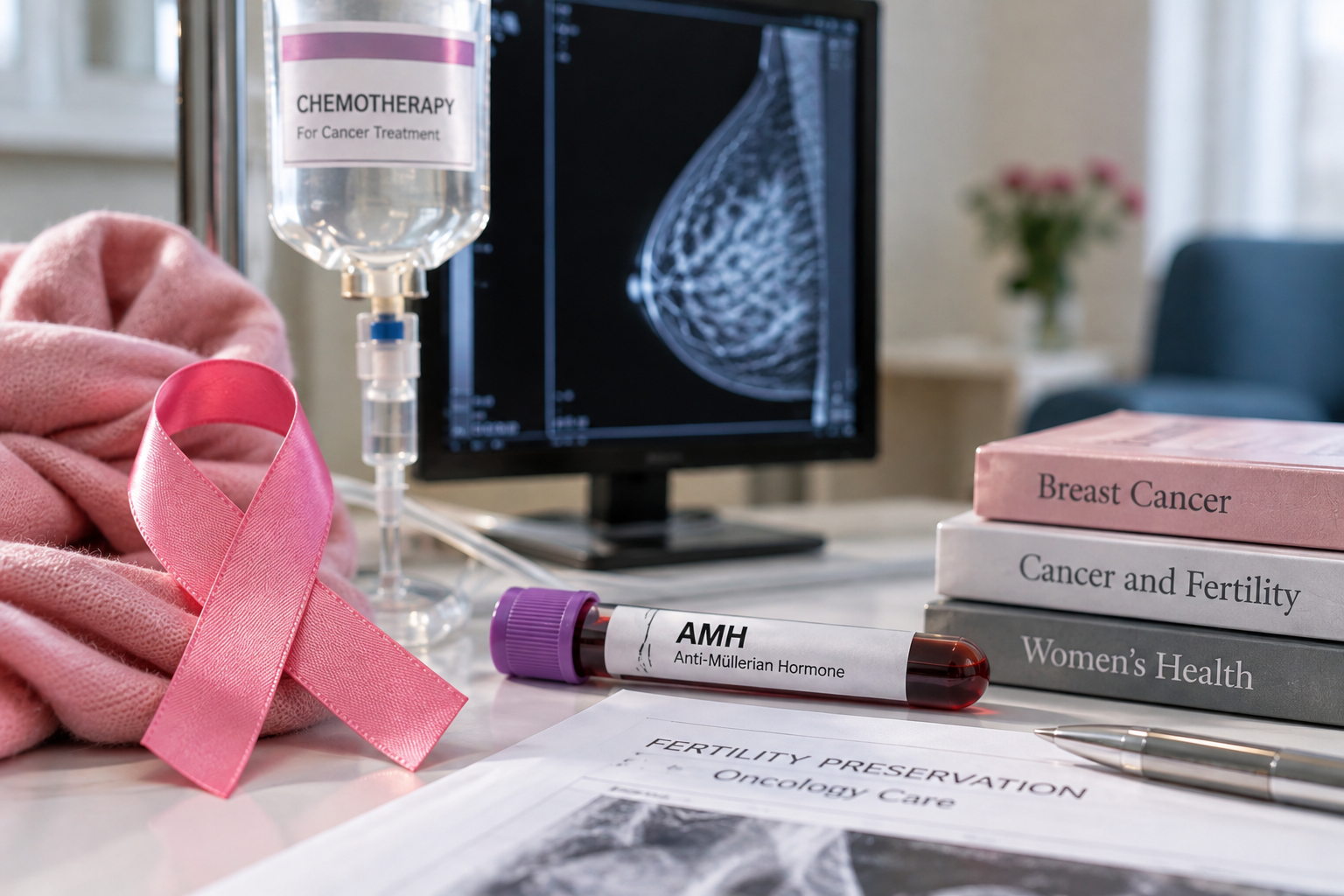
An ultrasensitive AMH assay measured tiny hormone levels after breast cancer chemotherapy. A 145-woman study examined prediction of ovarian insufficiency.
-
High AMH Before Chemotherapy: More Ovarian Reserve Does Not Mean Protection From Damage
High AMH before chemotherapy did not prevent ovarian damage in a study of 467 women. Explore recovery, menstrual function and fertility-preservation implications.
-
Vaping, Vanillin and Early Development: What a Stem-Cell Study Can—and Cannot—Tell Us

Vanillin altered developmental signaling in human embryonic stem cells. The laboratory study did not test IVF success or pregnancy outcomes in people who vape.
-
IVF and Congenital Anomalies: How Much of the Increased Risk Is Linked to Twins?
In 274,893 births, twins explained about one-fifth of excess congenital anomaly risk after IVF or ICSI. Understand relative risk and the limits of causation.
-
PCOS Before IVF: Could a One-Hour Glucose Test Reveal Gestational Diabetes Risk Earlier?
Pre-IVF one-hour glucose was associated with gestational diabetes in 2,571 women with PCOS. Learn why normal fasting glucose may not tell the whole story.
-
Poor Ovarian Response in IVF: Could the Clue Be in the Cells Around the Egg?
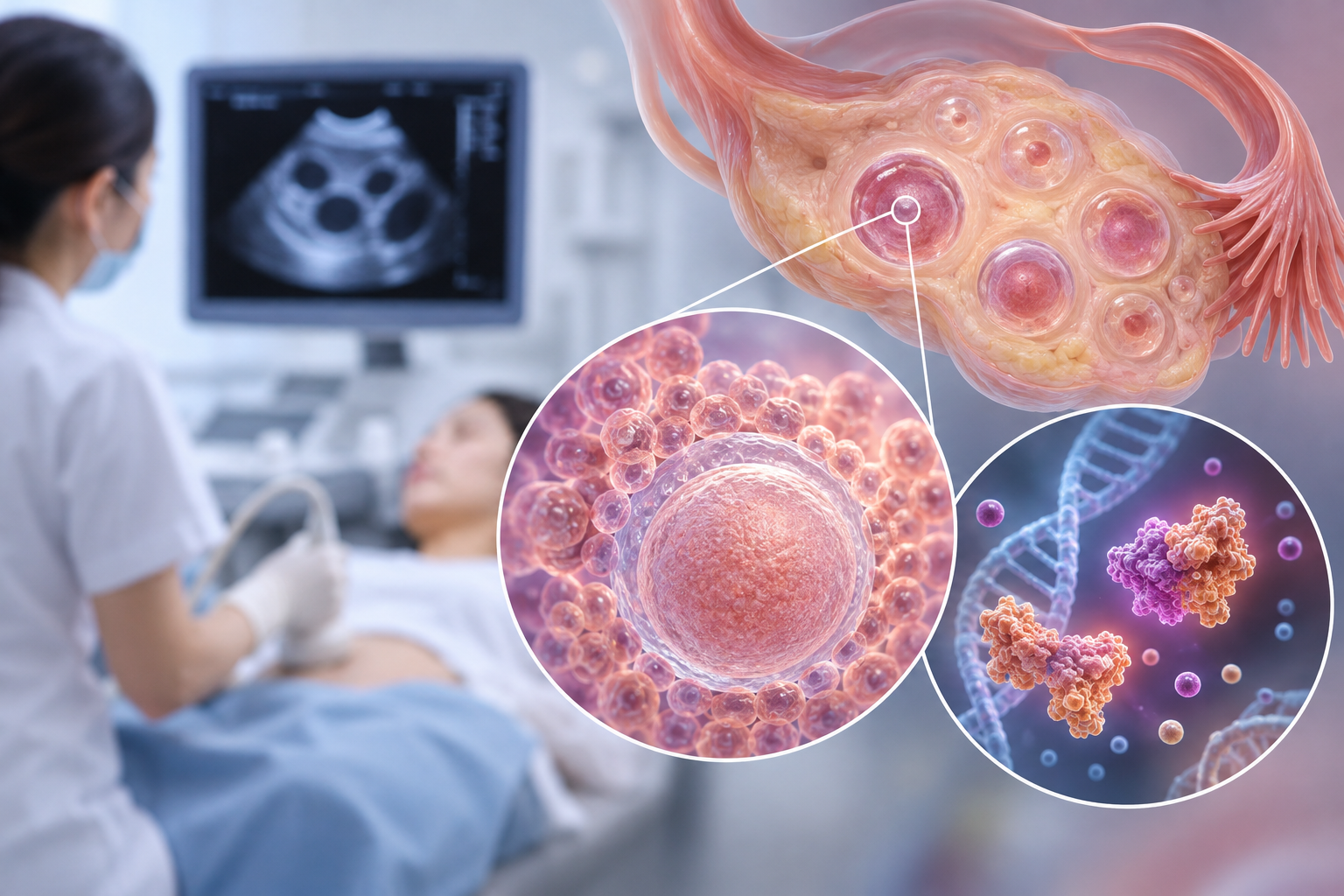
A 35-woman IVF study found higher TNF-alpha activity in cumulus cells from poor responders. What it suggests about egg yield—and why treatment is unproven.
-
Egg Quality in IVF: Age, Obesity or Endometriosis—Which Showed the Clearest Pattern?
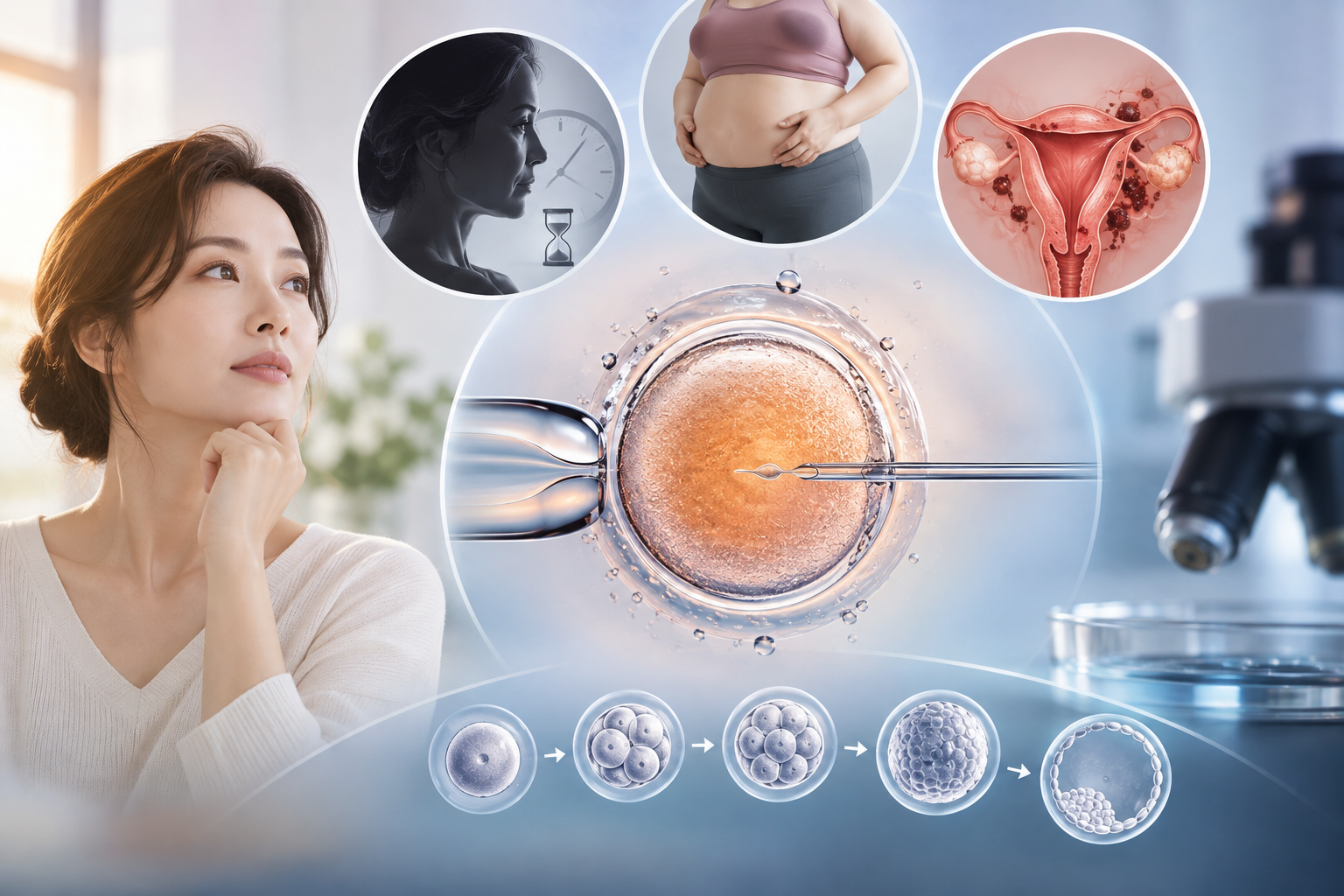
An analysis of 14,420 eggs found age had the most consistent adverse associations. Obesity and endometriosis did not uniformly predict poor egg quality.
-
Heat and IVF Egg Retrieval: Fewer Eggs in Warmer Weather—but Should Treatment Wait?
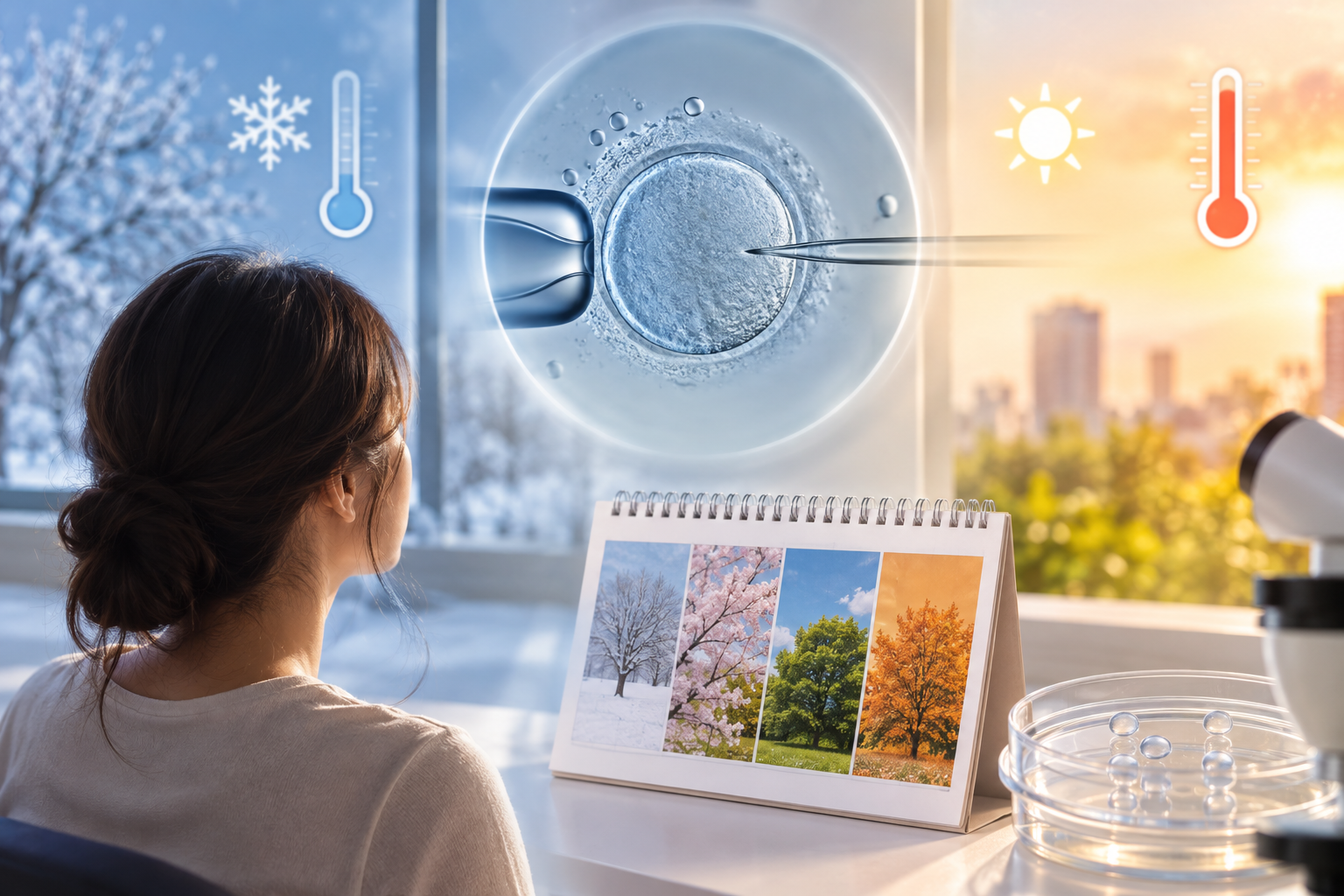
Warmer outdoor temperatures were linked to slightly fewer eggs in 58,468 first IVF treatments. Does that justify waiting for winter? The study has limits.