
Fertility Report
Fertility Report
Reference-style explainers for fertility terms, treatments, research topics, and common questions.
-
Can Melatonin Help Support Early Pregnancy?
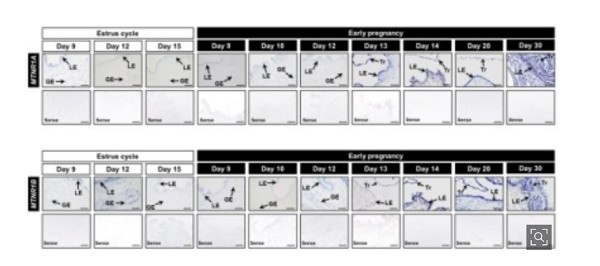
The Expression Pattern of Melatonin Receptors in Trophectoderm and Endometrial Tissues. (Photo courtesy of Kookmin University) A pioneering study has revealed that melatonin may play a critical role in facilitating the process of embryo implantation into the maternal endometrium. Melatonin is a natural hormone secreted by the pineal gland in the brain. Beyond its well-known…
-
Advancements in IVF: Specialized Culture Media for Diminished Ovarian Reserve
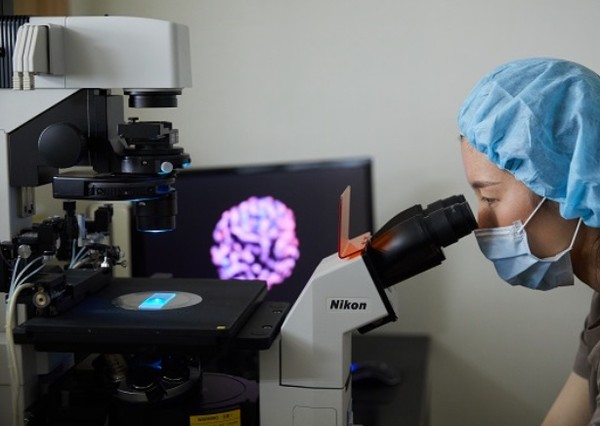
Improving Mitochondrial Function by Adding Resveratrol to Culture Media For women of advanced maternal age—particularly those dealing with diminished ovarian reserve (DOR)—there is promising medical news on the horizon. A specialized culture medium has been developed to revitalize the eggs and resulting embryos of older women or those with low ovarian reserve. An egg is…
-
Rozan’: A New Therapeutic Hope for Endometriosis
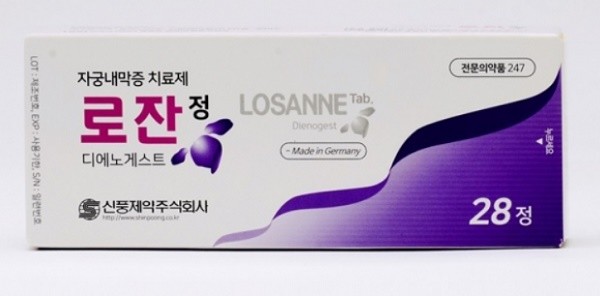
Endometriosis is a representative barrier to pregnancy and a leading condition that triggers infertility. The disease occurs when endometrial tissue, which normally lines the inside of the uterus, flows backward with menstrual blood and implants itself on structures outside the uterus—such as the ovaries, rectum, or bladder—causing chronic inflammation. It affects approximately 10% to 15%…
-
Mastering Ovulation Tracking for Better Conception Chances
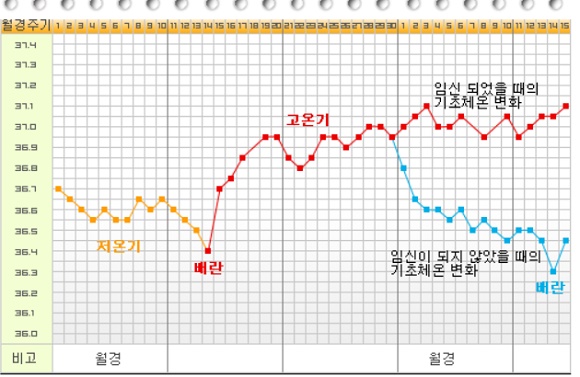
When attempting to conceive naturally, tracking your ovulation window is the crucial first step. Once an egg is ovulated, it waits for a sperm cell for as short as 10 hours and no longer than 24 hours. Pinpointing this exquisite, fleeting window of synchronization can immensely boost your chances of pregnancy success. While information about…
-
Boosting IVF Success Rates: The Role of Pre-implantation Genetic Testing
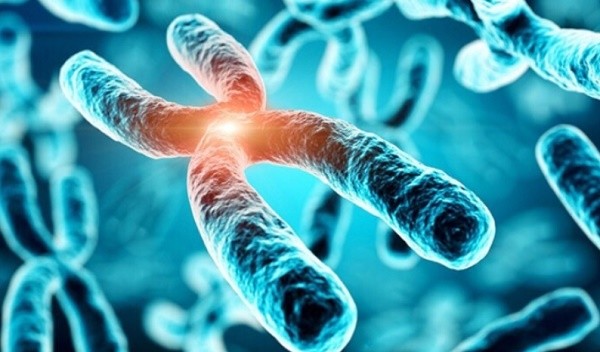
Common Causes of Miscarriage (Before 12 Weeks of Pregnancy) The human body possesses an inherent screening system (acting within the first 12 weeks) that naturally terminates a pregnancy when the implanted embryo fails to divide properly, exhibits severe congenital anomalies, or carries chromosomal defects. This natural selection process is statistically more common in cases of…
-
Does Your Blood Type Affect Your Ability to Conceive?
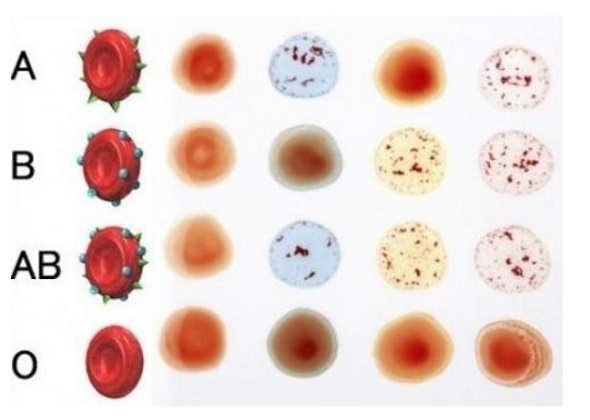
Recent research suggesting that individuals with blood type A may be relatively more vulnerable to COVID-19 has sparked widespread curiosity about the connection between blood types and medical conditions. Does an individual’s blood type actually influence how their body responds to certain diseases? Furthermore, many wonder if it can exert any tangible impact on fertility…
-
Eel for Fertility: Does It Really Boost Reproductive Health?

Since ancient times, a popular myth has persisted that eating eel tail is exceptionally beneficial for male stamina and virility. But do people genuinely believe that the tail holds a secret potency? There are several reasons for this obsession with the eel’s tail, chief among them being its scarcity—after all, a single eel yields only…
-
Understanding Your Reproductive System: The First Step to Overcoming Infertility
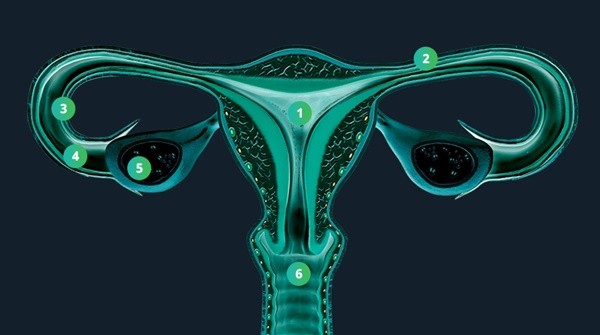
1. The Uterus The uterus is roughly the size of a chicken egg and is divided into the cervix and the uterine body. The upper corners on both sides of the uterine body connect to the fallopian tubes through very narrow passageways. 2. The Fallopian Tubes The fallopian tubes are approximately 10 to 12 cm…
-
Tall and Lean? Understanding Your Higher Risk for Endometriosis

Among the various factors that hinder pregnancy, endometriosis is a reproductive disorder that cannot be overlooked. Each month, as eggs mature, the hormone estrogen (E2) is secreted, causing the uterine lining (endometrium) to thicken in preparation for embryo implantation. However, it can be incredibly challenging when this tissue grows outside the uterus in incorrect locations,…
-
A Comprehensive Guide to Endometrial Receptivity Analysis (ERA)
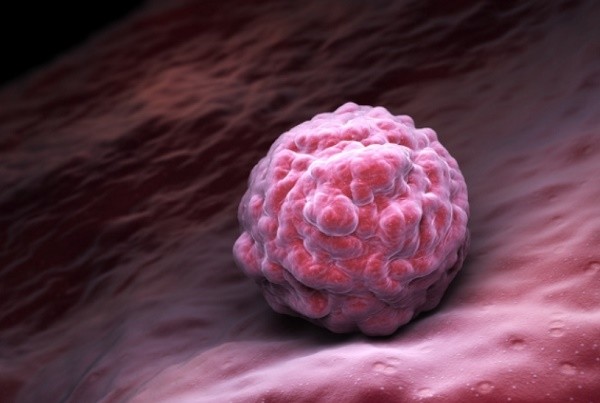
Worth a Try for Repeated Implantation Failure, Despite the High Cost—But Only with Blastocyst-Stage Embryos Among women navigating the challenges of infertility, Endometrial Receptivity Analysis (ERA) has recently become a hot topic. Introduced to South Korea in 2018, the ERA test was developed by IGENOMIX in Spain through a decade of clinical research. In simple…
-
The Hidden Hazard: How Receipt Chemicals May Impact Fertility and Sperm Count

Bisphenol A Detected in Urine After Just 5 Minutes of Handling Receipts “Would you like your receipt?” “Yes, please.” We often accept receipts without a second thought after making a purchase. However, most of these receipts are printed on thermal paper, a specialized type of paper. The primary chemical used in this thermal paper is…
-
Uterine Fibroids and Infertility: What’s the Connection?
A 38-year-old woman (Ms. Lee), married for two years, recently visited a fertility clinic due to difficulties conceiving. Her ultrasound revealed uterine fibroids—four of them, to be exact. The sizes varied, with the largest measuring 3.5 cm in diameter. Three were intramural fibroids, located within the muscular wall of the uterus, while one was a…