
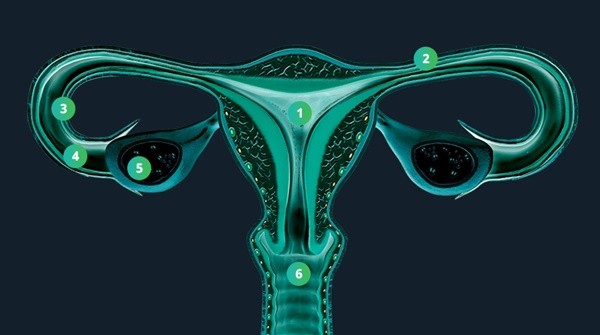
1. The Uterus The uterus is roughly the size of a chicken egg and is divided into the cervix and the uterine body. The upper corners on both sides of the uterine body connect to the fallopian tubes through very narrow passageways.
2. The Fallopian Tubes The fallopian tubes are approximately 10 to 12 cm in length, with the internal passageway gradually widening as it extends outward toward the ends.
3. The Ampulla The outermost segment of the fallopian tube, where the egg and sperm actually meet for fertilization, is known as the ampulla.
4. The Fimbriae At the very end of the ampulla lies a delicate, jellyfish-like structure called the fimbriae. This structure plays the crucial role of sweeping the ovulated egg into the fallopian tube.
5. The Ovaries The ovaries, which are about the size of a human thumb, are the vital organs responsible for producing and maturing a woman’s eggs. They are positioned slightly apart from the ends of the fallopian tubes.
6. The Vagina The vagina is an essential reproductive organ that serves a dual purpose, notably acting as the birth canal through which a baby passes during childbirth.