
Latest posts
-
Probiotics for Male Genital Infections? Study Reports 92% Bacterial Clearance
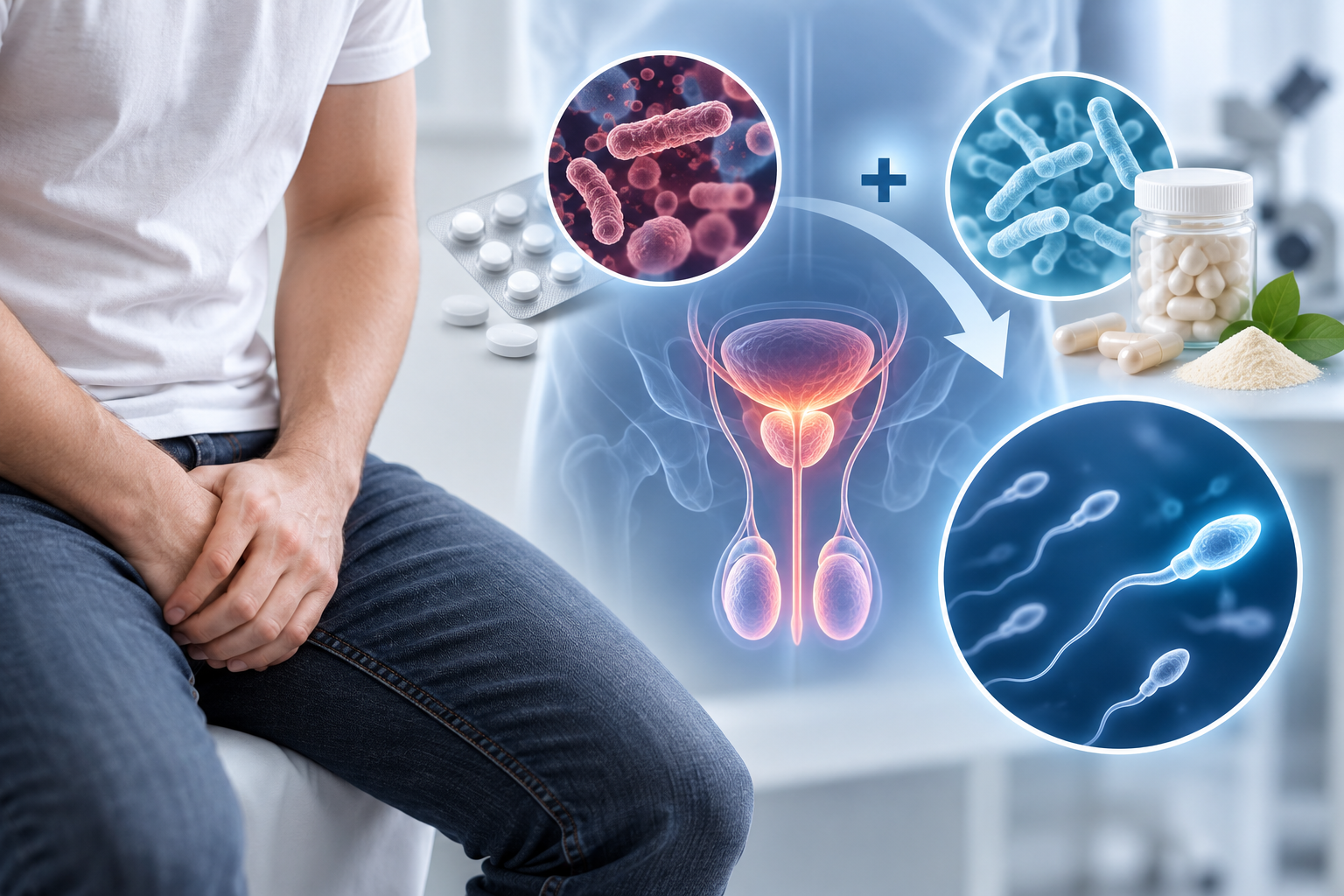
In a 100-man retrospective study, antibiotics plus probiotics/prebiotics were associated with 92% bacterial clearance versus 56%. Fertility benefits remain unproven.
-
WFS1 and Male Infertility: A Genetic Clue When Count, Motility and Shape All Suffer

A study of three men and mouse models links WFS1 variants to impaired sperm formation. The finding is a diagnostic clue, not a validated routine test or treatment.
-
IVF Sperm Selection: Can Microfluidic Chips and Light Pick Better Sperm?

Microfluidics and optical tweezers could make sperm assessment more precise. A review explores the promise, while pregnancy and live-birth benefits remain unproven.
-
Endometriosis Diagnosis Takes 10 Years: Why Severe Pain Can Still Be Missed
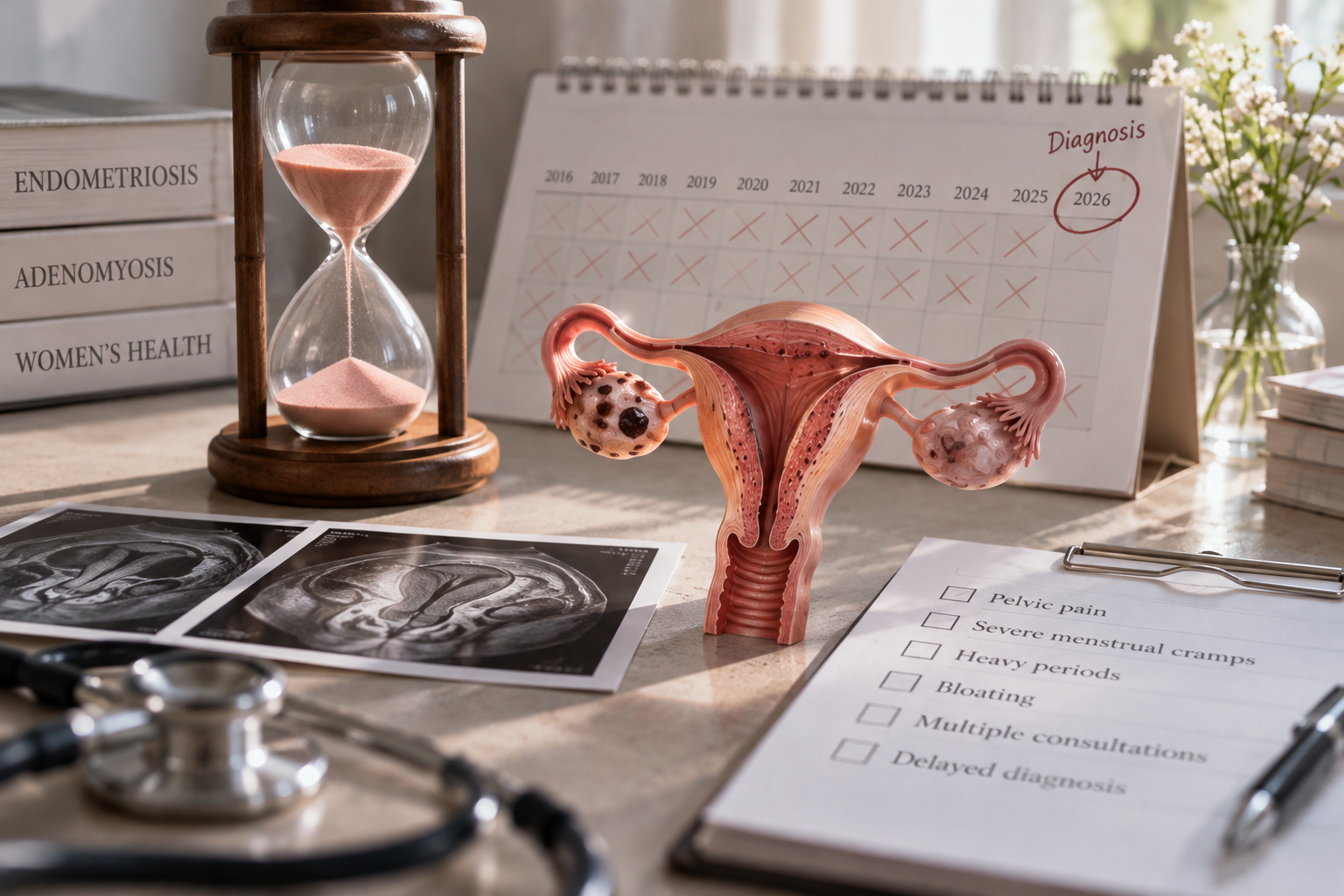
A French cohort of 6,949 women reported average diagnostic delays of 10 years for endometriosis and 11 for adenomyosis. Severe symptoms did not ensure faster diagnosis.
-
Endometriosis Without Surgery? Targeted Niclosamide Shows Promise in Mice
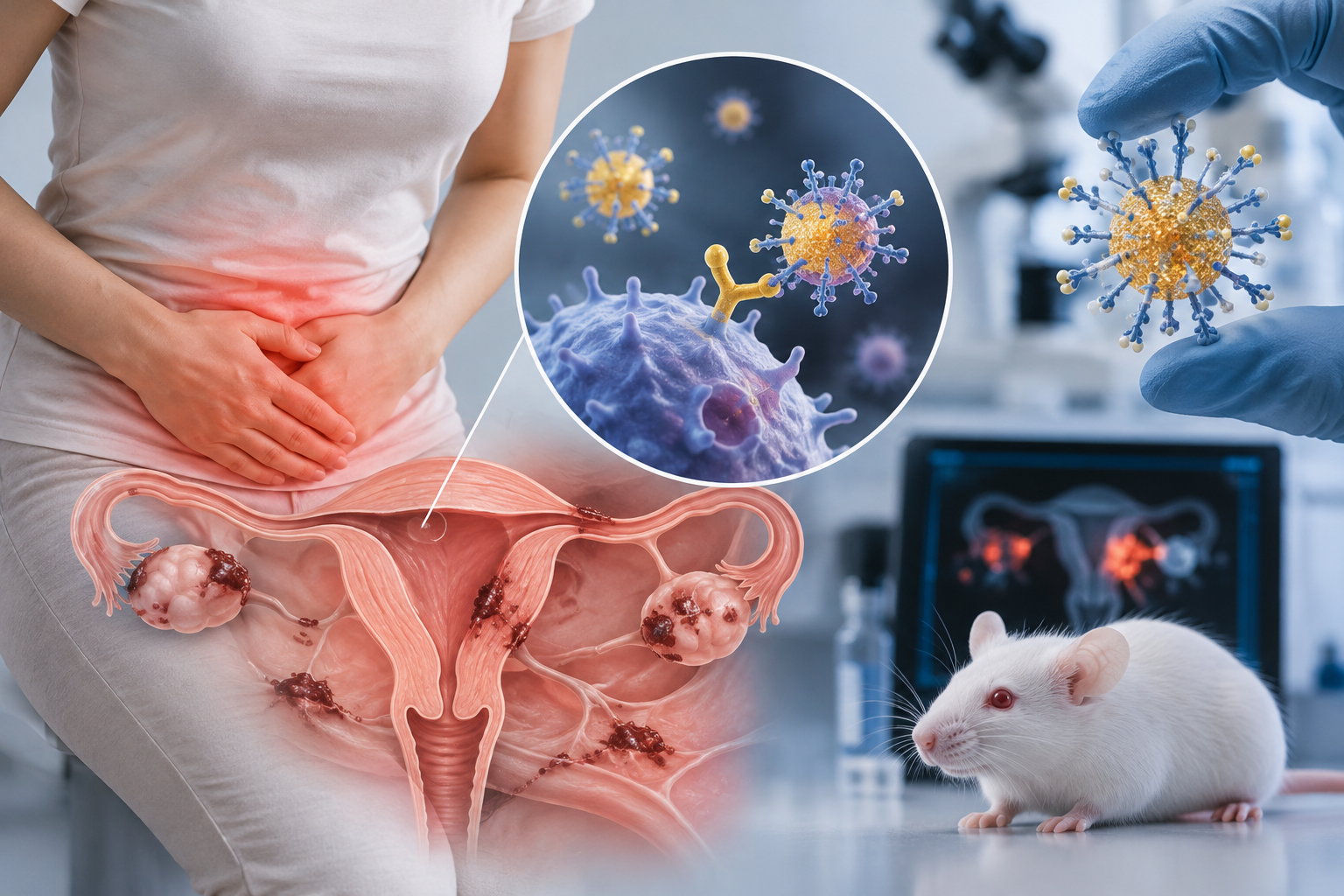
A targeted niclosamide formulation reduced endometriosis lesions and pain responses in mice. Human effectiveness, fertility benefits and safety remain unproven.
-
Endometriosis Pain: A New Cell Map Reveals a Nerve–Immune Connection
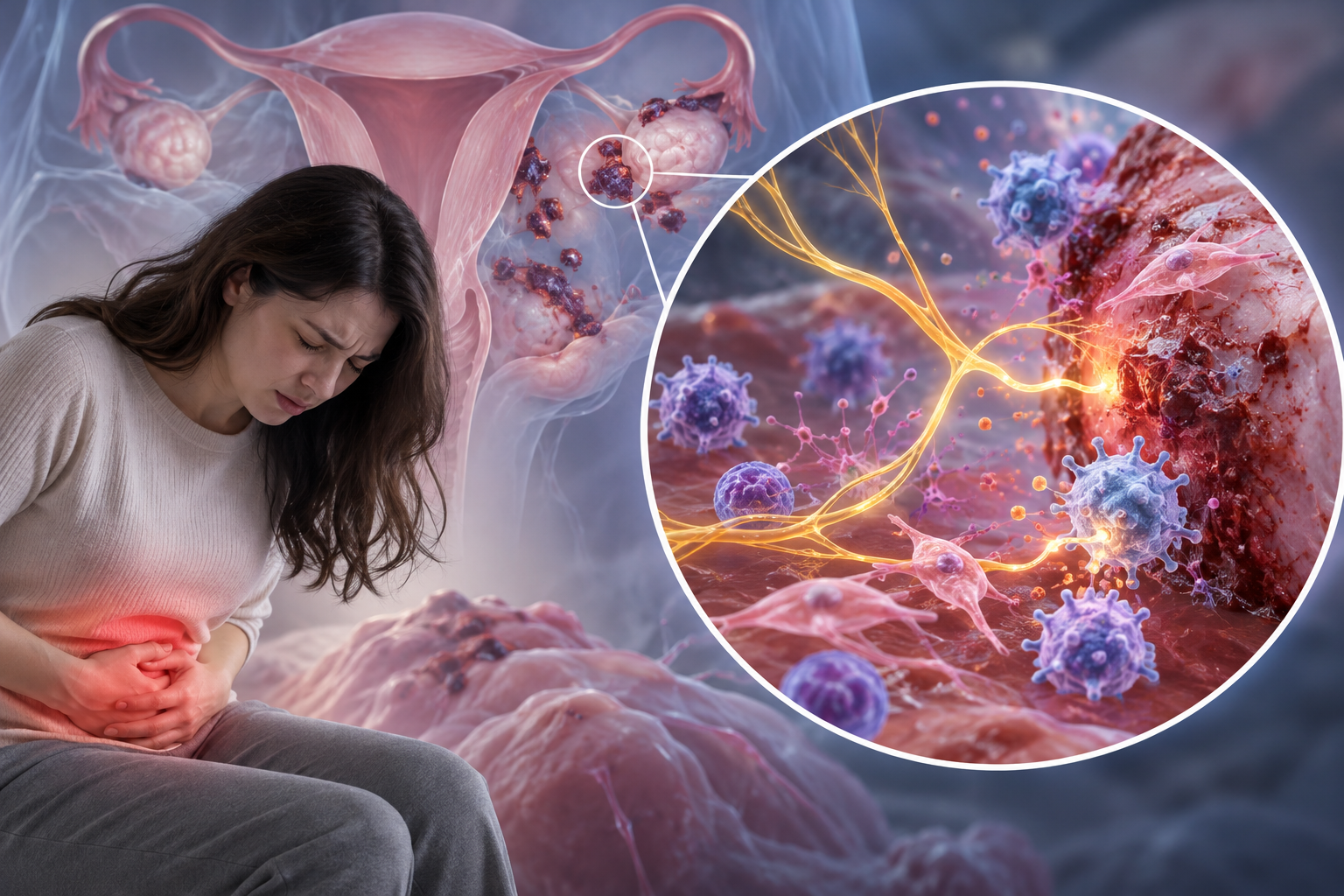
A spatial cell map and laboratory nerve models reveal possible nerve–immune interactions in endometriosis. The findings are not yet a proven pain treatment.
-
IVF Incubators: Does Newer Mean Better? A 2,152-Egg Trial Tests the Claim
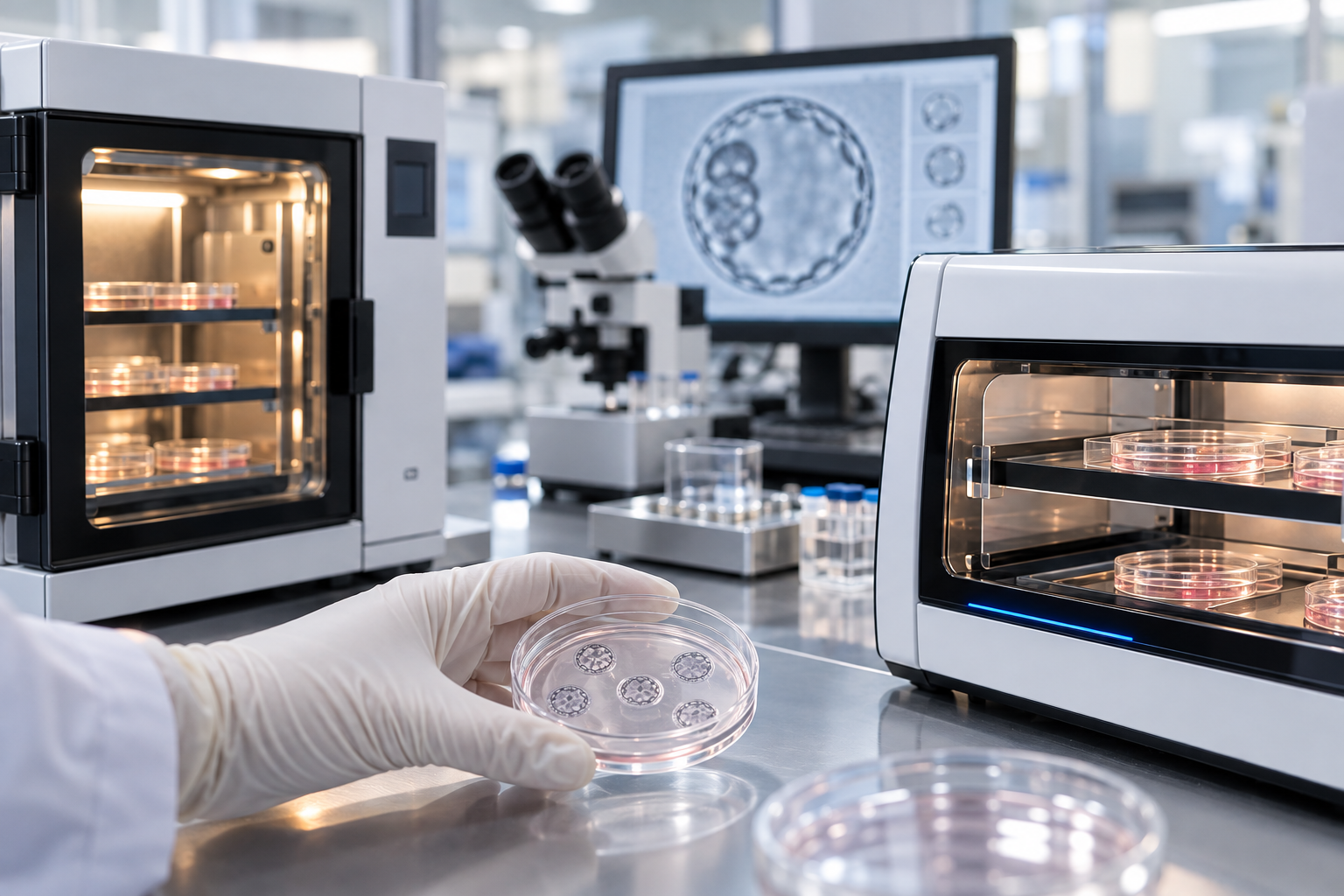
A randomized comparison of 2,152 mature eggs found similar blastocyst formation and no significant live-birth difference between two IVF incubators.
-
IVF Culture Medium: Does Three Times More Help? 6,173 Embryos Say Otherwise
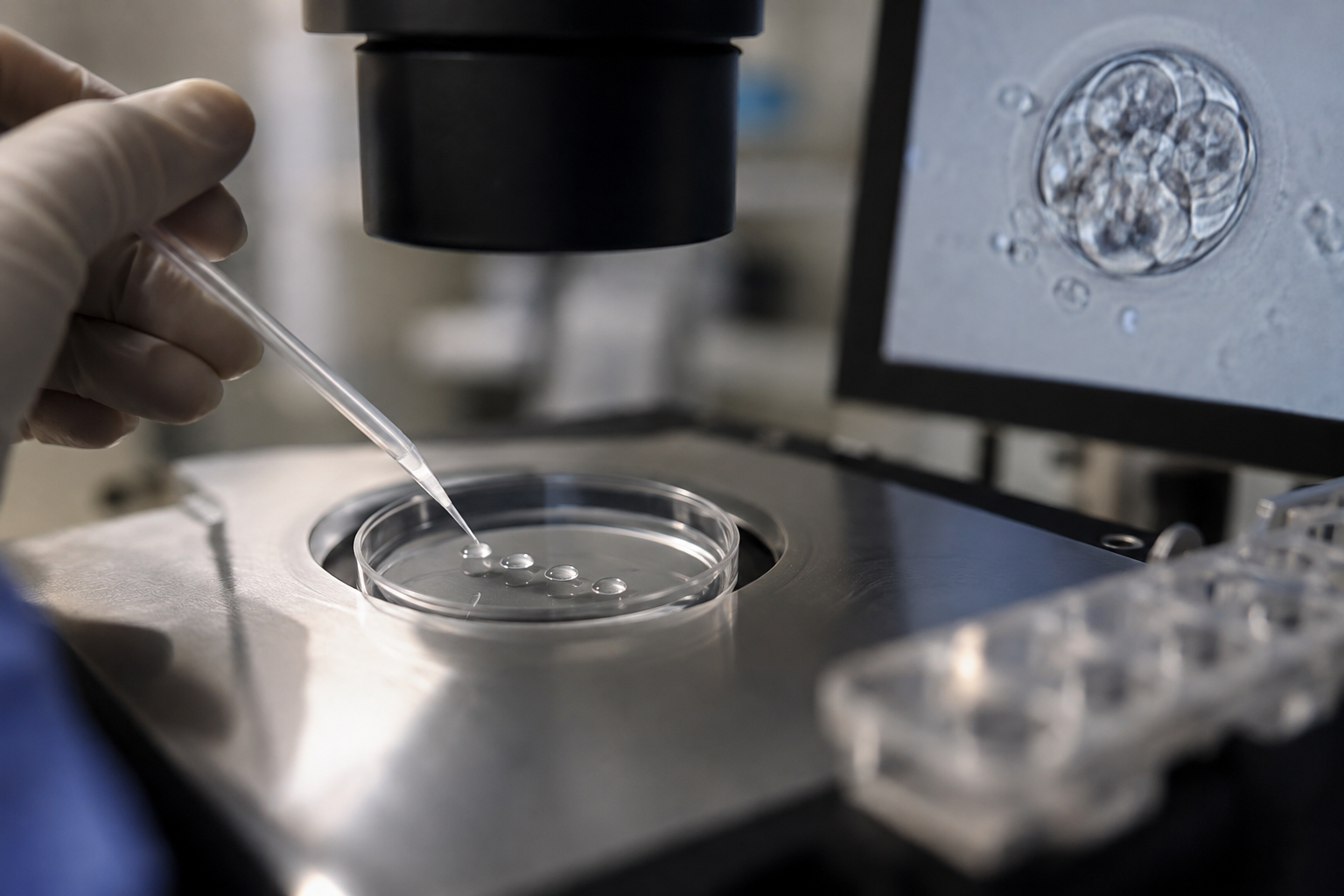
A Korean study of 6,173 embryos found no significant difference between 10 and 30 microliters of culture medium. Live-birth equivalence remains unproven.
-
IVF Incubator Humidity: Better Early Embryos, but No Pregnancy Boost
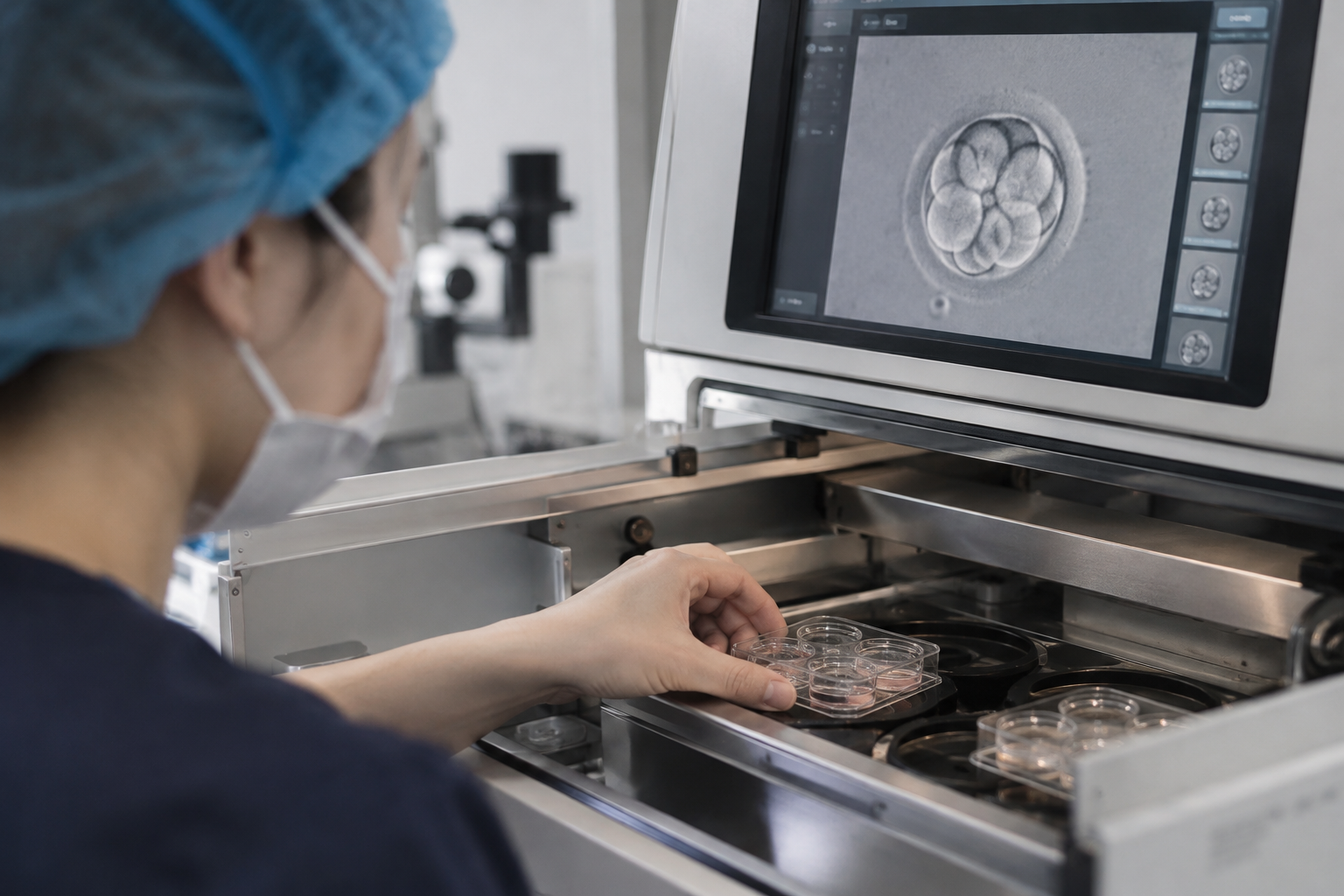
Local humidification improved day-3 embryo morphology in a Japanese study, but pregnancy rates did not significantly differ. What does it mean for IVF labs?