
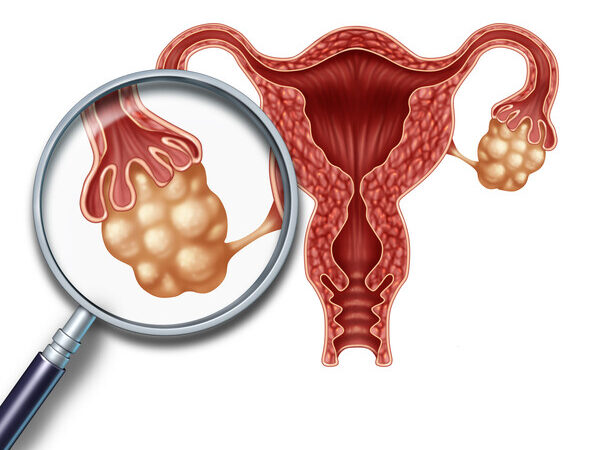
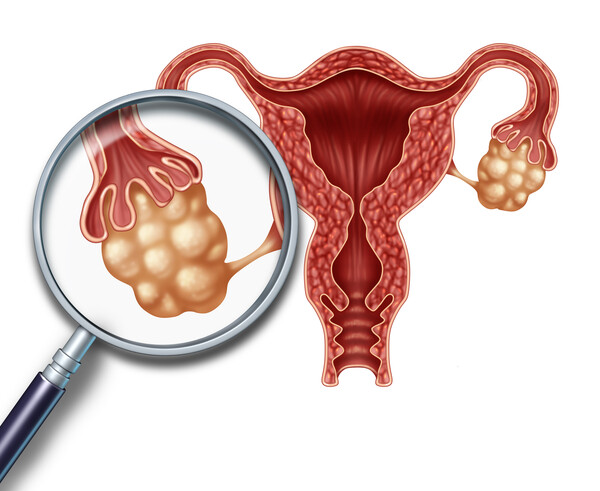
Hysterosalpingography (HSG) is a fertility test that uses X-rays and contrast dye to assess the uterine cavity and whether the fallopian tubes are open. It can help investigate tubal infertility, but it does not measure every aspect of tubal function or replace all other fertility tests.
What does an HSG examine?
HSG shows the outline of the uterine cavity and the passage of contrast along the fallopian tubes. It may reveal obstruction or some abnormalities within the cavity. It does not examine egg quality, diagnose endometriosis or assess fibroids outside the uterine cavity. ASRM patient information.
Whether HSG is needed depends on the diagnostic question. Ultrasound-based contrast tests and other investigations may be appropriate alternatives or follow-up tests. A normal HSG is reassuring about patency, but should not be interpreted as proof that every part of the reproductive system functions normally.
How does contrast dye show whether the tubes are open?
A speculum allows the clinician to see the cervix. A small catheter is placed through the cervix, and contrast is gently introduced into the uterus while X-ray images are obtained. If the tubes are open, contrast can travel along them and spill from their ends into the pelvic cavity.
An apparent blockage close to the uterus may sometimes reflect temporary spasm rather than permanent scarring. The result must be interpreted with the history and image findings; further assessment may be needed before drawing conclusions about treatment. ASRM tubal-surgery guidance.
Why do the fallopian tubes matter for pregnancy?
In unassisted conception, the fallopian tube helps bring the egg and sperm together and transports the developing embryo toward the uterus. Disease can interfere with these steps. The consequences depend on the location and extent of the damage and the condition of the other tube; one abnormal tube does not always prevent conception.
Confirmed severe blockage of both tubes makes natural conception and IUI unsuitable routes unless function can be restored. IVF bypasses the need for fertilization inside the tube, but an associated hydrosalpinx may still affect IVF outcomes and needs its own treatment discussion. The options can include tubal surgery or IVF depending on the clinical circumstances. ASRM guidance on tubal disease.
When is HSG scheduled, and can it be painful?
The test is usually scheduled after menstruation and before ovulation. Follow the clinic’s instructions about avoiding pregnancy, infection screening and any history of contrast allergy. The imaging itself is brief, although the complete appointment takes longer than the image acquisition. ASRM patient information.
Some people experience period-like cramps during or after the procedure. Pain varies and does not reliably tell you whether a tube is blocked; open tubes do not guarantee a painless examination. Ask the team about pain relief and let them know if discomfort becomes difficult to tolerate. Cambridge University Hospitals HSG information.
Light bleeding or leakage of contrast may occur afterward. Follow the aftercare instructions and seek medical advice for worsening pain, fever, chills or abnormal discharge. University Hospitals Sussex aftercare advice.
Can tubal flushing improve pregnancy chances?
Some evidence suggests that the contrast used during HSG can affect subsequent fertility outcomes. In the H2Oil randomized trial, 1,119 women at 27 Dutch hospitals were assigned to oil-based or water-based contrast. The main outcome was ongoing pregnancy within six months; subsequent live birth was also assessed.
Among participants with live-birth data, the rates were 214 of 552 (38.8%) after oil contrast and 155 of 552 (28.1%) after water contrast. Couples subsequently tried expectant management or IUI. This comparison does not show that any HSG repairs permanent damage, that the benefit applies to every infertility diagnosis, or that pregnancy after the test is guaranteed. It also compared two contrast types, rather than HSG with no test. Dreyer et al., NEJM (2017), DOI: 10.1056/NEJMoa1612337.
What should you ask about cost and coverage?
HSG charges and reimbursement depend on the country, insurer, clinic and technique. An X-ray HSG and an ultrasound contrast examination are different procedures and may be billed differently. Confirm the exact test, whether screening or consultation fees are included, and whether your insurer requires authorization before booking.
A requirement for one funding program should not be treated as a universal medical requirement. Ask your clinic which test is clinically indicated and request current written information on any insurance or subsidy conditions.
Sources
- ASRM: hysterosalpingogram patient information
- ASRM: tubal surgery and assisted reproduction (2021)
- Cambridge University Hospitals: HSG
- University Hospitals Sussex: HSG and aftercare
- Dreyer et al. New England Journal of Medicine (2017). DOI: 10.1056/NEJMoa1612337
Related reading
Copyright © 2026 난임정보톡톡 난임뉴스 | THE FERTILITY NOTES. All rights reserved. Unauthorized republication, reproduction, redistribution, scraping, AI training and data use of any content, including articles, photographs and images, are strictly prohibited. Violations may result in legal action.