
Hydrosalpinx is a fluid-filled, blocked fallopian tube that can affect IVF outcomes. Treatment options include salpingectomy, proximal tubal occlusion and less established fluid-directed procedures. The decision balances evidence of benefit, ovarian reserve and the risks of an additional procedure. ASRM guidance.
For someone with hydrosalpinx planning IVF, how do removal, tubal occlusion and fluid-directed procedures compare?
What is hydrosalpinx and why is it discussed before IVF?
The key issues are how the affected tube relates to the uterus and which procedure best fits the clinical situation.
Natural conception depends partly on the location and extent of blockage and the condition of the other tube. One blocked tube does not always rule it out. ASRM guidance.
Hydrosalpinx is a blocked, fluid-filled fallopian tube. Fluid may communicate with the uterus. ASRM tubal-surgery guidance (2021).
Hydrosalpinx is associated with poorer IVF outcomes. This does not mean that fluid inevitably prevents every embryo from implanting. ASRM tubal-surgery guidance (2021).
What factors shape a hydrosalpinx treatment decision?
ASRM advises considering salpingectomy or proximal tubal occlusion before IVF for communicating hydrosalpinges. ASRM guidance.
The choice also depends on disease severity, ovarian reserve, surgical risks and patient preferences.
The randomized trial follow-up evaluated birth outcomes; it did not establish the long-term health of the children. Strandell trial follow-up.
The Scandinavian trial’s cumulative follow-up included 186 women and 452 cycles. It supported salpingectomy before IVF, particularly for ultrasound-visible hydrosalpinges, although some participants assigned to no intervention later underwent surgery. Strandell trial follow-up (2001).
Ovarian reserve deserves discussion before surgery. A randomized trial directly compared proximal tubal occlusion with salpingectomy; it did not compare either procedure with sclerotherapy. Tubal occlusion versus salpingectomy trial.
Among 165 randomized participants, AMH and antral follicle count were lower after salpingectomy than after proximal occlusion, while live-birth rates did not differ significantly. These findings do not show that every operation causes a sharp, irreversible loss of eggs. Tubal occlusion versus salpingectomy trial.
That comparison cannot establish that sclerotherapy preserves ovarian tissue better. Diminished ovarian reserve alone does not justify calling sclerotherapy universally superior.
What does ultrasound-guided sclerotherapy involve?
Sclerotherapy drains the hydrosalpinx and introduces a sclerosing agent such as ethanol, aiming to reduce further fluid production. ASRM tubal-surgery guidance (2021).
Fluid can return. ASRM summarizes recurrence of approximately 20–30% in studies of aspiration or sclerotherapy and calls for further research. ASRM tubal-surgery guidance (2021).
Ask your team about recovery time, possible repeat procedures and individual risks. A fluid-directed procedure does not guarantee that the fluid will stay away.
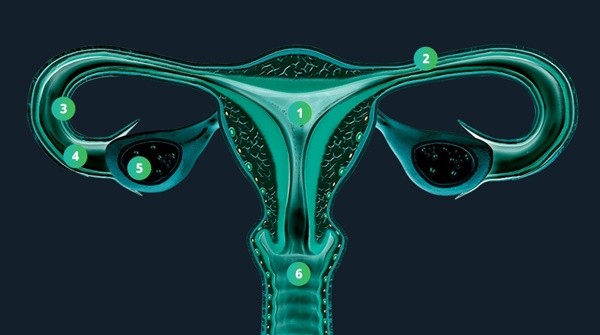
Image courtesy of Maria Fertility Hospital
Evidence sources checked for this update
- ASRM tubal-surgery guidance (2021)
- Strandell et al., Human Reproduction (2001), DOI: 10.1093/humrep/16.11.2403
- Vignarajan et al., Journal of Minimally Invasive Gynecology (2019), DOI: 10.1016/j.jmig.2018.10.013
Related reading
Copyright © 2026 난임정보톡톡 난임뉴스 | THE FERTILITY NOTES. All rights reserved. Unauthorized republication, reproduction, redistribution, scraping, AI training and data use of any content, including articles, photographs and images, are strictly prohibited. Violations may result in legal action.