
Infertility is defined as the inability to conceive after one year of regular, unprotected intercourse. To identify the root causes of infertility and plan an effective treatment strategy, receiving accurate testing and professional consultation is paramount.
When facing infertility, it is essential for both partners to visit a specialized fertility clinic. Through a combination of blood tests, imaging studies—such as ultrasounds and hysterosalpingography (HSG)—and semen analysis, the underlying causes can be systematically analyzed.
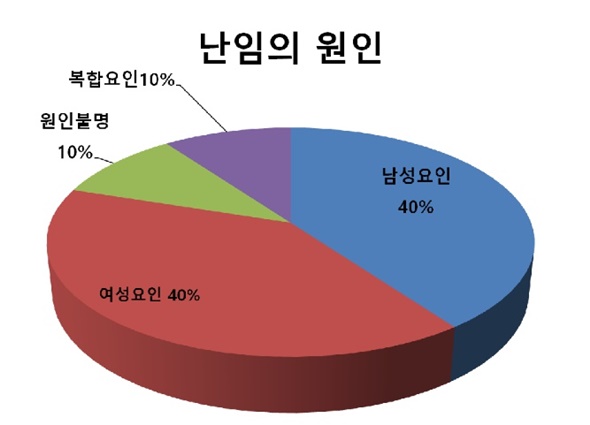
The Male Factor Many men assume they are not the cause of infertility; however, clinical data shows that a significant number of cases stem from male factors. Because 40–50% of infertility cases involve male-related issues, a semen analysis is crucial. After 3 to 5 days of abstinence, a sperm sample is collected and analyzed under a microscope to evaluate sperm count, motility, and morphology.
The Female Factor: Timing is Everything A woman’s hormonal levels, fallopian tube status, and uterine environment change according to the menstrual cycle. Therefore, the timing of diagnostic tests is critical. Generally, a comprehensive initial evaluation is conducted on Day 2 or 3 of the menstrual cycle.
I. Testing on Days 2–3 of the Cycle
- Hormonal Blood Panel: Basic tests to assess pituitary and ovarian function, including FSH, Estradiol (E2), LH, Progesterone, Prolactin, TSH, and AMH. While AMH, Prolactin, and TSH can be tested at any time, FSH, E2, LH, and Progesterone must be checked on Days 2–3 for accuracy.
- Baseline Antral Follicle Count (AFC): A crucial ultrasound assessment to check the number of pre-ovulatory follicles, providing an accurate evaluation of ovarian reserve.
II. Post-Menstrual Testing (Within 2–3 Days of Period End)
- Hysterosalpingography (HSG): An X-ray procedure to determine fallopian tube patency, potential adhesions, and uterine malformations.
- Hysteroscopy: An endoscopic examination to detect endometrial inflammation, adhesions, polyps, or anatomical anomalies.
- Laparoscopy: A surgical procedure for a precise assessment of the fallopian tubes, the pelvic cavity, and the presence of endometriosis.
III. Ovulation Phase Testing (Typically Days 12–14 for a 28-day cycle)
- Ultrasound: Used to monitor ovulation, evaluate endometrial lining, and screen for uterine fibroids.
- Cervical Mucus & Vaginal Swab: Testing for bacterial infections such as Mycoplasma, Ureaplasma, Candida, Chlamydia, and Gardnerella, which can affect fertility.
- Post-Coital Test: Conducted within 6 hours after intercourse to determine if active, healthy sperm are present in the cervical mucus.
IV. Luteal Phase Testing (7–10 days post-ovulation)
- Hormonal Assessment: Progesterone and Estradiol levels are measured to confirm successful ovulation and ensure normal luteal function.
Data provided by: Dr. Jung Hyun-jung, Rachel Fertility Center