
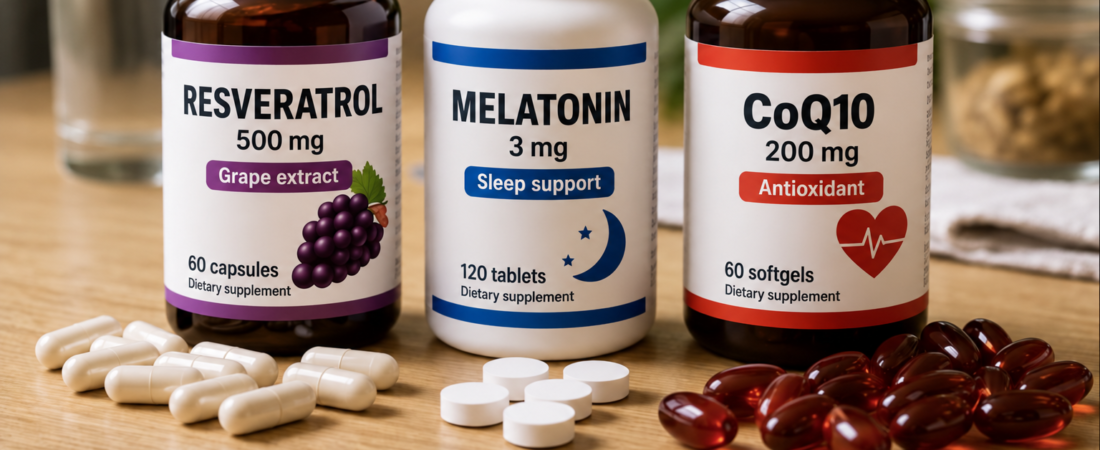
Fertility supplements can turn uncertainty into a growing shopping list. Resveratrol, melatonin and CoQ10 have different biological effects, but none should be treated as a universal shortcut to a healthy embryo. Correcting a deficiency and taking recommended preconception folic acid are different from buying unproven IVF add-ons.
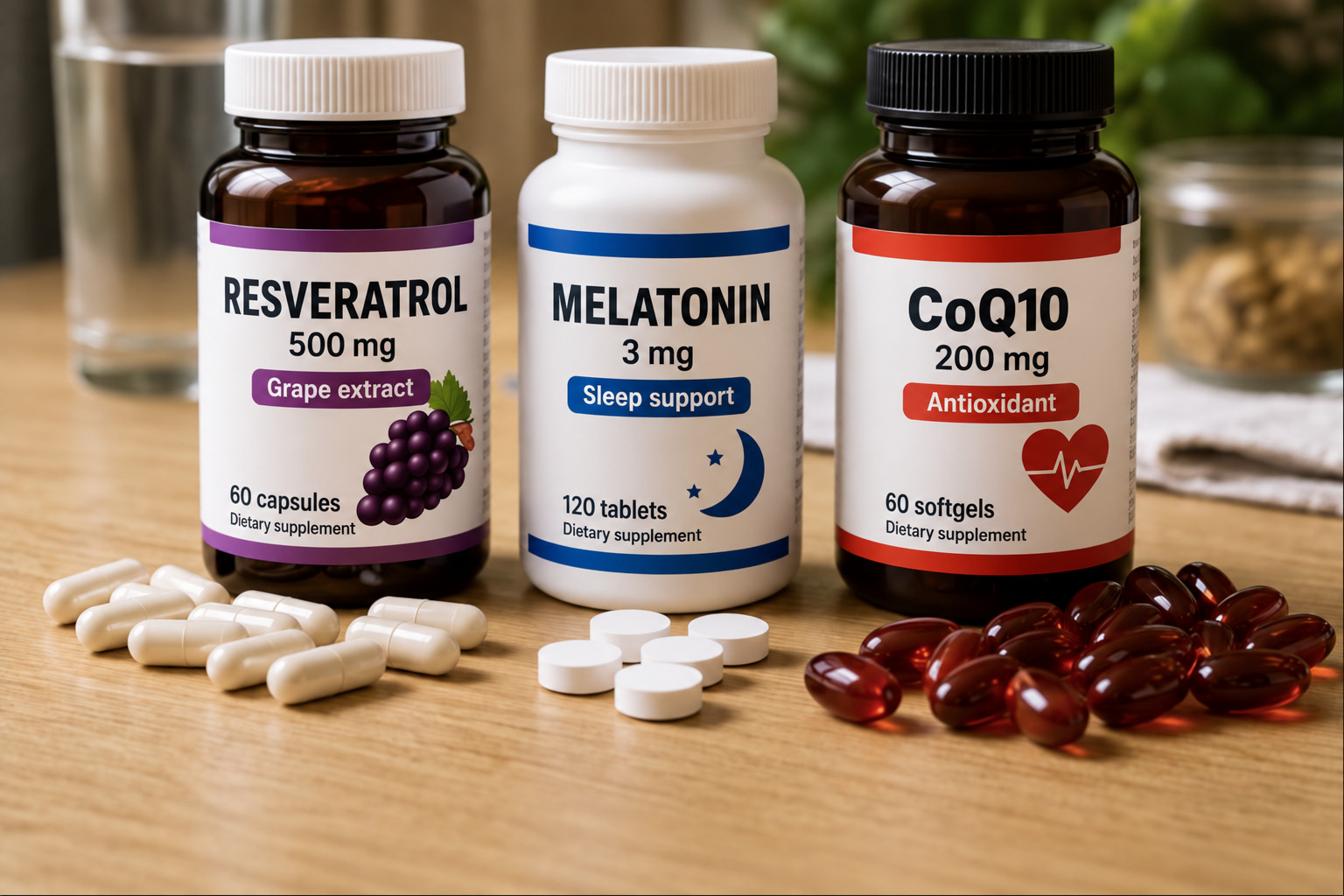
The waiting rooms of fertility clinics are filled with a quiet, palpable tension. Patients exchange tips about Coenzyme Q10, resveratrol, and melatonin as if they were trading secrets to a miracle. While these supplements are all different, they share a common burden: the weight of a couple’s hope that “this might finally be the answer.”
However, we are making a fundamental mistake. We are trying to solve disparate biological issues with a “one-size-fits-all” supplement strategy, while ignoring the most critical question: “What is the actual cause of our infertility?”
The Illusion of Efficacy
The market thrives on translating “potential” into “guaranteed results.” But each supplement acts on different biological pathways, and none can compensate for an undiagnosed systemic issue:
- CoQ10: Has a role in cellular energy pathways, but supplementation is not a validated test or correction of an individual egg’s energy deficit.
- Resveratrol: Often marketed for its anti-aging properties, it targets metabolic inflammation. However, suggesting it improves overall pregnancy rates is a stretch. In some contexts, it may even be a variable that complicates rather than assists your specific protocol.
- Melatonin: Studied in reproductive research, but neither oxidative markers nor sleep effects prove improved implantation.
The Missing Question: Why?
By obsessing over the ingredient list, we bypass the root cause. Is the issue with sperm quality? Is it an embryonic chromosomal abnormality? Is it a lack of uterine receptivity? Relying on a supplement to “fix” infertility without a clear clinical diagnosis is like trying to fix a leak in a roof by rearranging the furniture in the living room.
Target the question, not the shopping list
A treatment for a documented deficiency has a different purpose from an unproven product marketed to improve egg quality. Review each product’s indication and evidence.
- CoQ10: Biological rationale and selected trial findings do not establish a universal indication or prove improved live birth.
- Resveratrol: Do not treat it as routine metabolic or fertility therapy; timing, safety and reproductive effects remain concerns.
- Melatonin: Research into oxidative pathways is not a reason for routine self-prescription during IVF.
Conclusion: Precision Over Hype
The desperation of infertility often leads to a pursuit of “more”—more pills, more brands, more hope. But the path to a healthy pregnancy is rarely found in the number of supplements on your counter.
Recommended preconception folic acid and indicated deficiency treatment should not be dismissed along with speculative add-ons. The goal is appropriate nutrition without unnecessary stacking.
If you are struggling, don’t ask, “What else can I take?” Ask your specialist, “What is the primary barrier preventing our success?” True progress begins not in the pharmacy aisle, but in the diagnosis room. Supplements may provide the fuel, but a clear diagnosis provides the map.
Disclaimer: This report is for informational purposes. Nutritional supplements should never substitute for a comprehensive clinical workup and professional medical diagnosis.
Keep proven prevention separate from add-on marketing
CDC recommends folic acid for people who can become pregnant to help prevent neural tube defects. That preventive purpose is different from claiming a supplement improves IVF success. CDC folic acid recommendations.
Related reading
"The Resveratrol Connection: Why Fertility Specialists Are Paying Attention"