
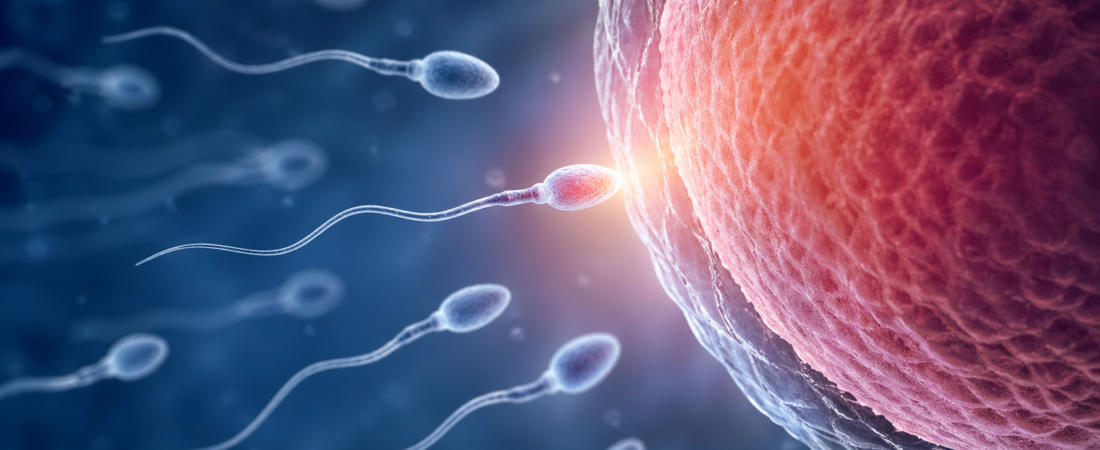

The historical narrative of infertility as a predominantly female-driven challenge is rapidly dismantling. Modern reproductive medicine now recognizes male factors as either the sole or contributory cause in roughly 40–50% of infertility cases, with some clinical cohorts reporting male-only factors in over 30% of instances.
The Structural Decline: Beyond Simple Counts The crisis is not just about a numerical decline in sperm counts. The real issue is the structural and functional degradation of the sperm itself. Modern clinical focus has shifted from mere “sperm concentration” to the evaluation of:
- Motility and Morphology: Dynamic performance and structural integrity.
- Genetic Stability: Specifically, DNA structural integrity. High Sperm DNA Fragmentation (DFI) is now known to be directly linked to embryo development arrest, implantation failure, and recurrent miscarriage. Sperm is no longer just a “delivery vehicle” for DNA; it is a critical driver of the embryo’s early genetic programming.
The Rise of Precision Diagnostics Clinical practice is evolving beyond the basic semen analysis. We are entering an era of “sperm digitization,” where precision diagnostics—such as DNA fragmentation testing, reactive oxygen species (ROS) monitoring, Sperm Chromatin Structure Assay (SCSA), and high-resolution morphological evaluation (MSOME)—are becoming standard.
Furthermore, AI-based video analysis is now quantifying movement patterns and trajectory, moving us away from subjective manual interpretations toward objective, data-driven assessments of fertilization potential.
The Impact of the Modern Environment The male reproductive system has become a sensitive barometer for modern environmental and lifestyle stressors. Endocrine-disrupting chemicals (EDCs), microplastics, heavy metal exposure, obesity, and insulin resistance all contribute to systemic oxidative stress, which imprints damage onto the sperm’s delicate structure. Even lifestyle factors—long periods of sedentary behavior, heat exposure, and constant proximity to electronic devices—are now recognized as contributors to the steady, silent decline in male reproductive health.
Redefining the Clinical Protocol These shifts have necessitated a fundamental reorganization of the clinical protocol. The outdated “sequential approach,” where male testing was deferred until female evaluations were complete, is being replaced by “Concurrent Evaluation Strategy.”
By assessing both partners from the first consultation, clinics can now:
- Reduce unnecessary time delays.
- Optimize treatment planning: Deciding early on whether to utilize Intracytoplasmic Sperm Injection (ICSI).
- Implement holistic management: Parallel approaches involving antioxidant therapy and lifestyle modifications alongside clinical interventions.
Conclusion: A Biological Partnership The paradigm of fertility treatment has moved from “selecting the best embryo” to “integrating the health of all reproductive cells.” Fertilization is not just a biological collision; it is a precise fusion of two distinct genetic packages. The current reality is clear: infertility is not a “female problem” but a biological event co-authored by both partners. And in this event, the male factor is no longer a footnote—it is an equal, fundamental player at the very start of the journey.
Sources: WHO “Prevalence and causes of infertility”; ESHRE Guidelines on Male Infertility; ASRM Practice Committee guidelines.
Disclaimer: This content is provided for informational purposes, based on current reproductive medicine research and public health data. Medical judgments and treatment decisions must always be made in consultation with professional medical personnel. Image: AI-generated (ChatGPT, OpenAI) / Visual reference for illustrative purposes only.