
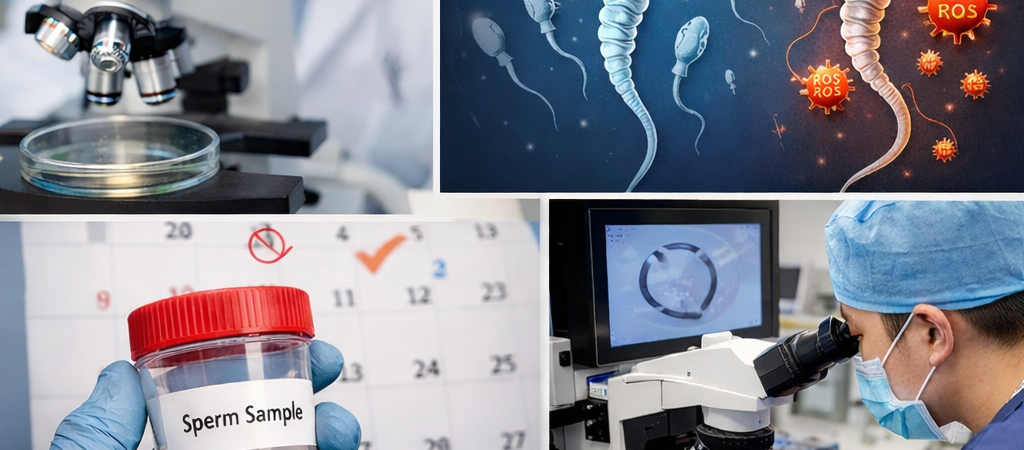
One of the most common instructions given to men preparing for In Vitro Fertilization (IVF) is simple: “Refrain from ejaculation for a few days.” The logic has long been that “more is better”—that storing sperm over a longer period would maximize the sample and, by extension, the chances of success.
However, emerging research is dismantling this long-held dogma. Increasingly, evidence suggests that “fresh” sperm, collected at shorter intervals, yields significantly better clinical outcomes than sperm that has been stored through prolonged abstinence.
A recent study highlights a critical correlation: shorter ejaculatory intervals are associated with lower levels of sperm DNA fragmentation and reduced oxidative stress. The impact on IVF outcomes is notable. In cases where the abstinence period was less than 48 hours, pregnancy rates reached approximately 46%, whereas cases with longer abstinence periods hovered around the 36% mark. This indicates that the duration of abstinence is not merely a lifestyle detail, but a variable that directly influences the success of fertility treatment.
This finding stands in stark contrast to traditional clinical wisdom. For years, the primary objective was the “maximization of volume.” Patients were routinely instructed to maintain abstinence to aggregate the highest possible count, assuming that more sperm would naturally lead to better selection.
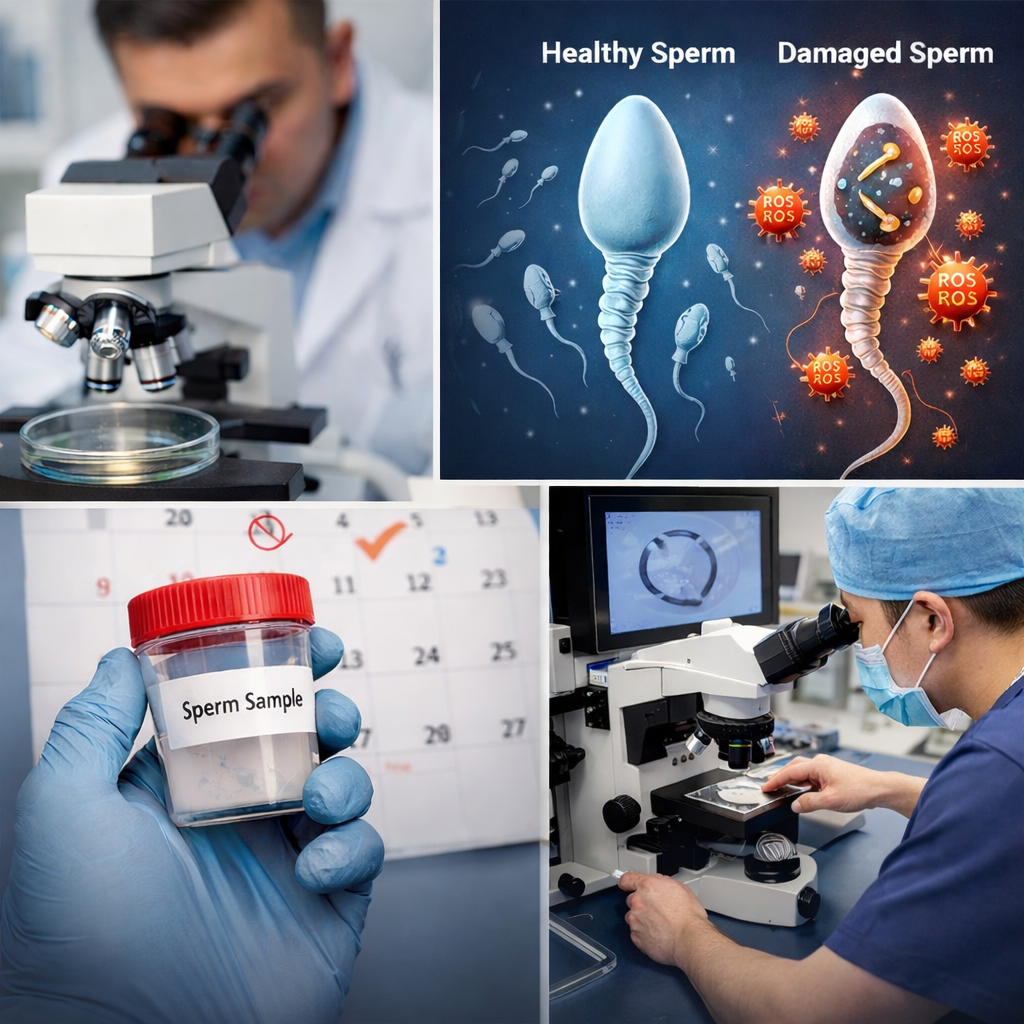
But modern research tells a different story: as sperm remain stored in the reproductive tract, they are exposed to reactive oxygen species (ROS), which progressively increase DNA damage. It has become clear that the stability of the genetic information inside the sperm is far more vital than the raw count or visible motility.
Critically, sperm DNA damage directly influences embryonic development. Even if fertilization occurs, compromised DNA can lead to embryonic arrest or implantation failure. In this light, “having many sperm” is a hollow victory if the genetic payload they carry is unstable.
Clinical practice is beginning to reflect this change. Some fertility centers are now reconsidering their protocols, opting for shorter abstinence periods or even utilizing sperm collected at frequent intervals to minimize oxidative exposure. We are witnessing a transition: sperm is no longer treated as a biological commodity to be “stored,” but as a highly sensitive biological specimen to be “managed” over time.
Of course, this is not a one-size-fits-all directive. For men with severely low sperm counts, securing a minimum volume remains essential. Experts emphasize that the abstinence window must be tailored to the individual’s specific clinical profile.
Ultimately, this study signifies more than just a tweak to lifestyle guidelines. It represents a fundamental shift in the IVF paradigm: from “maximization of quantity” to the “preservation of integrity.” The standard we once took for granted is being rewritten, and with it, the approach to the entire IVF process.
Perhaps we have been thinking about sperm too simplistically. We assumed more was better, that collection was enough, and that numbers were the ultimate benchmark. But IVF is not a technology that ends with the semen analysis.
Pregnancy is not completed at the fertilization check-box. It requires the embryo to develop, implant, and ultimately thrive through to birth. Therefore, our strategy for sperm must be recalibrated to reflect that long-term outcome. We are moving toward a strategy that prioritizes genetic stability and minimizes oxidative stress from the very first step.
Sources: Agarwal et al., Human Reproduction; du Plessis et al., Asian Journal of Andrology; Esteves et al., Nature Reviews Urology; various clinical studies in Fertility and Sterility.
Disclaimer: This content is provided for informational purposes, based on reporting on infertility and various public data. Medical judgments and treatment decisions must always be made in consultation with professional medical personnel. Image: AI-generated (ChatGPT, OpenAI) / Visual reference for illustrative purposes only.