
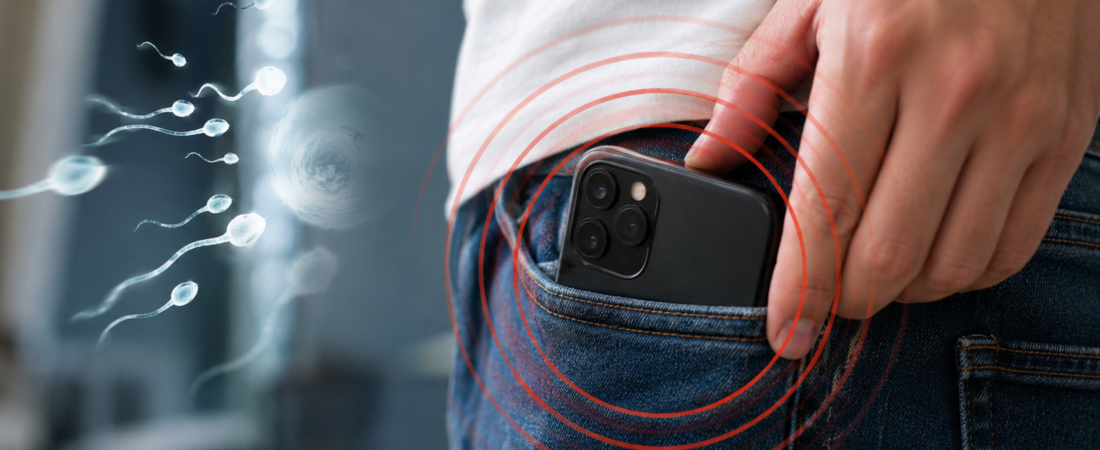
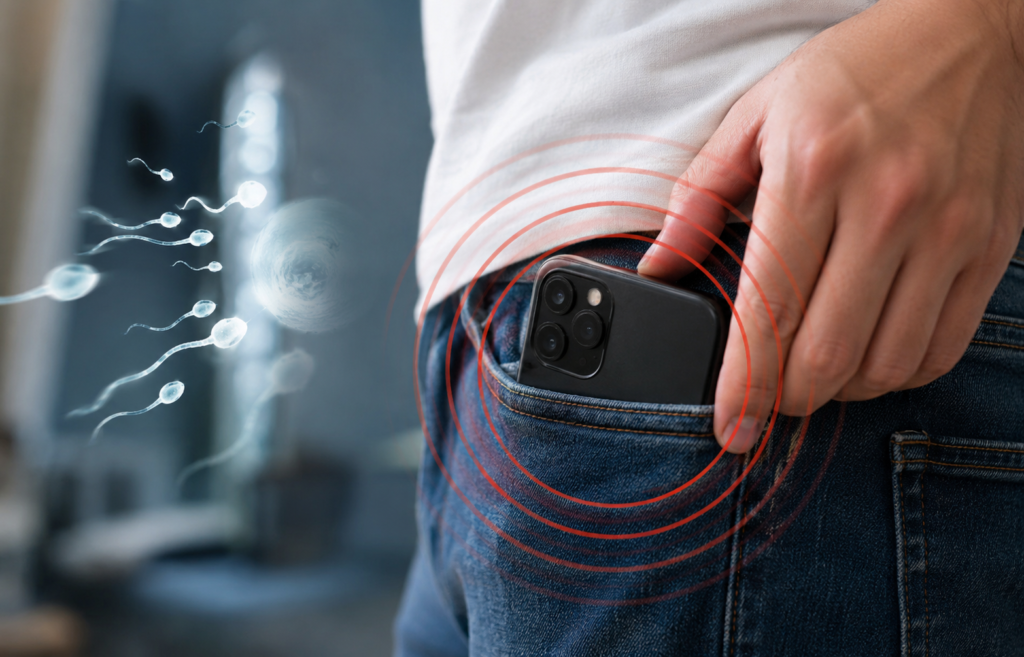
Whether on the subway, in a cafe, or during a business meeting, you will find most men keeping their smartphones in their front pockets. For years, the internet has buzzed with a recurring warning: “Your phone is killing your sperm,” “Electromagnetic waves are causing male infertility,” or “Your pocket device is destroying your reproductive potential.”
For men planning to start a family, these claims are understandably anxiety-inducing. However, a cool-headed look at the medical literature suggests a far more cautious reality.
The Absence of a Verdict The debate surrounding smartphone electromagnetic fields (EMF) and male fertility has persisted for two decades. Yet, there is still no definitive scientific consensus. If smartphone EMF were a potent reproductive toxin, the medical community would likely have reached a verdict by now. Much like the undeniable link between smoking and lung cancer, significant evidence would have accumulated to make the connection impossible to dispute.
Instead, the current research remains contradictory. While some studies have reported a decrease in sperm motility or potential DNA damage, others have found no statistically significant difference at all. The lack of a consistent signal suggests that if an effect exists, it is likely subtle, if not negligible, compared to other more prominent drivers of infertility.
The Real Culprit: Heat Reproductive specialists often point to a factor far more influential than radiation: Temperature. Human testes are suspended outside the body for a reason—sperm production requires an environment 2–3°C cooler than core body temperature. Modern lifestyles—long periods of sitting, sedentary work, laptop use on the lap, saunas, and tight-fitting clothing—create a chronic state of “testicular hyperthermia.” The evidence for the detrimental effects of testicular overheating is far more consistent and robust than the evidence against smartphone radiation.
The “Risk Perception” Trap A critical issue in modern health is that our perception of risk often fails to align with data. People fear the invisible “EMF” from a phone, yet ignore the “proven offenders” already sitting on their medical records:
- Smoking: A direct contributor to sperm DNA damage and oxidative stress.
- Obesity: A driver of hormonal imbalance and testicular overheating.
- Sleep Deprivation and Chronic Stress: Disruptors of the testosterone-producing HPG axis.
We are often sensitive to “unproven” risks while remaining dangerously desensitized to “proven” ones. We fear a smartphone in the pocket, yet we continue to eat late-night processed meals, drink alcohol, and live sedentary lives.
Conclusion: Prioritize the “Habitual Offenders” Science is not yet ready to convict the smartphone. However, that does not mean you should ignore the potential risk. If you are preparing for pregnancy, moving your phone to a bag or a desk is an easy, cost-free habit that minimizes potential exposure.
But do not mistake this for a comprehensive strategy. Changing your phone’s location will do little if you do not address the “convicted offenders” of male infertility: smoking, weight management, sleep, and regular exercise.
Currently, the smartphone is a suspect awaiting a verdict. Smoking, obesity, and poor lifestyle habits, on the other hand, are repeat offenders with long-standing criminal records in the field of reproductive medicine. Before you worry about the radiation in your pocket, look at the lifestyle choices in your daily routine. That is where the science says the real solution lies.
Sources: WHO reports on EMF and health; NIH PubMed systematic reviews on male reproductive medicine and infertility risk factors.
Disclaimer: This report is for informational purposes. Medical diagnoses and treatment decisions must always be made in consultation with a qualified medical professional.