
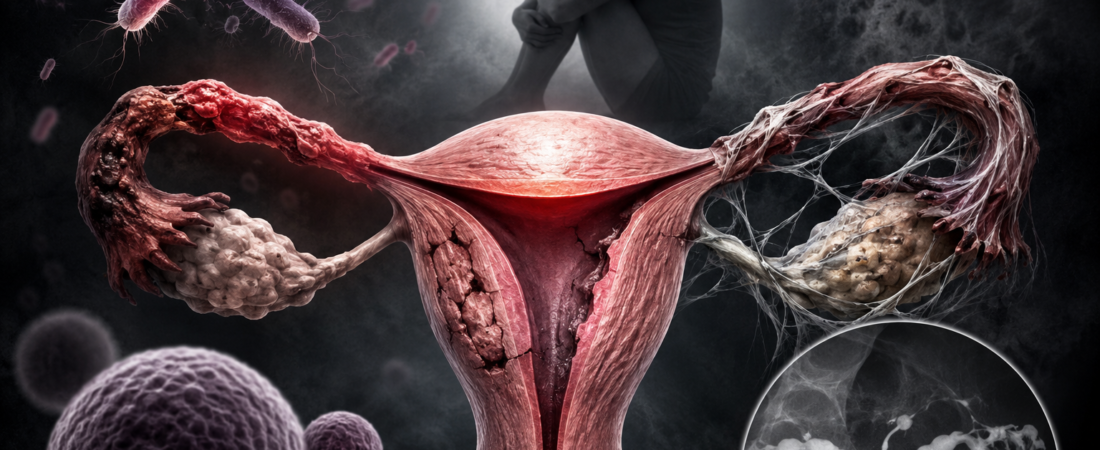
Pelvic inflammatory disease can damage fallopian tubes and increase the risk of infertility or ectopic pregnancy, even when symptoms are mild. It does not cause permanent infertility in every person. Prompt treatment matters, and later fertility options depend on the extent and location of any damage.
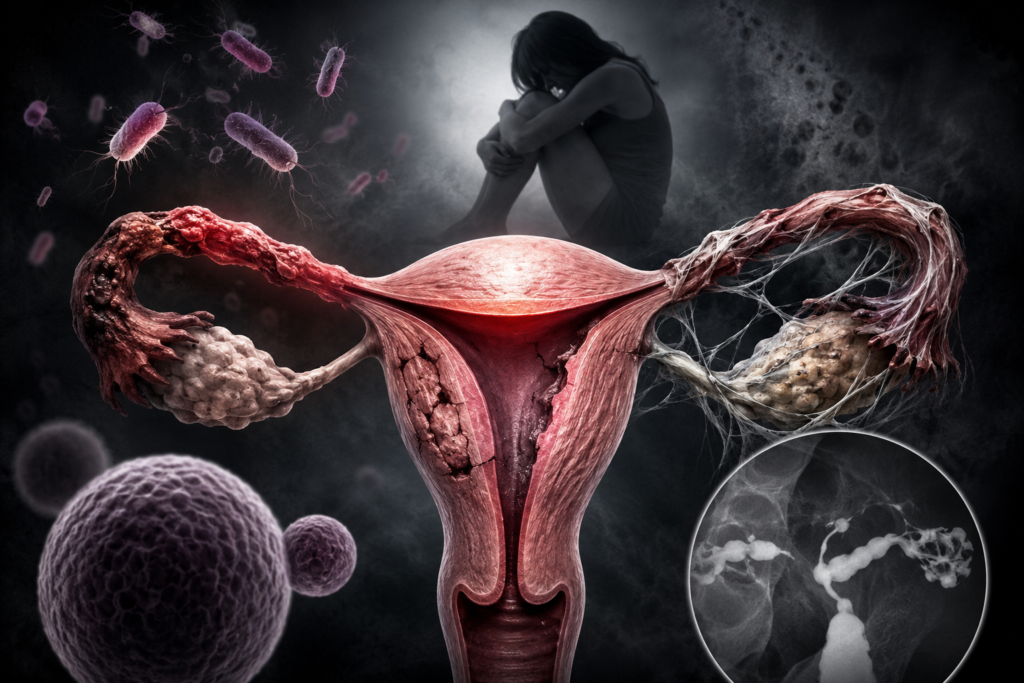
Pelvic Inflammatory Disease (PID) is perhaps the most underestimated condition in gynecology. While many patients dismiss it as a minor infection or a passing discomfort similar to vaginitis, reproductive medicine views PID as a primary architect of female infertility. The most alarming reality is that a significant number of women are diagnosed with infertility without ever knowing they suffered from PID in the first place.
How infection can affect the tubes
PID can involve inflammation and scarring of the upper reproductive tract. Damage is possible, not inevitable, and severity differs.
Active pelvic infection can be clinically important and requires prompt assessment and treatment. Scarring may persist afterward; antibiotics treat infection but do not necessarily reverse existing damage.
Mild or absent symptoms do not rule out PID. Conversely, nonspecific pelvic discomfort has many possible causes and needs assessment rather than self-diagnosis.
Why timing matters
Prompt treatment can reduce the risk of long-term complications. Recurrent infection may increase risk, but outcomes vary between individuals.
- Tubal damage: Infection may impair tubal function or cause scarring; this is not inevitable in every case.
- Repeat infection: Recurrent PID can increase complications. A suspected ectopic pregnancy requires urgent assessment.
- Testing: Infection tests and tubal assessment answer different questions. Antibodies alone do not establish whether a tube is blocked.
Act while treatment can help
Prevention is valuable, and suspected PID also needs prompt clinical assessment and appropriate antibiotics. Established scarring may not reverse, but active infection can be treated.
If infertility follows, assessment of tubal and other factors can guide options, including IVF in suitable cases. A history of PID is not a declaration that pregnancy is impossible.
Disclaimer: This report is for informational purposes. If you suspect an infection or are planning for pregnancy, please consult a gynecologist for screening and appropriate management.
Early assessment matters
CDC guidance emphasizes prompt treatment of suspected PID. It also recognizes that mild or unrecognized infection can still have reproductive consequences. CDC PID treatment guidance.
Related reading
Hydrosalpinx Before IVF: Remove the Tube—or Consider Another Route?