
Is the ovary merely a “storage organ” tucked away in the pelvis? Is it simply a reproductive organ responsible for housing eggs, ovulation, and hormone secretion? Recent scientific advancements are challenging this conventional wisdom.
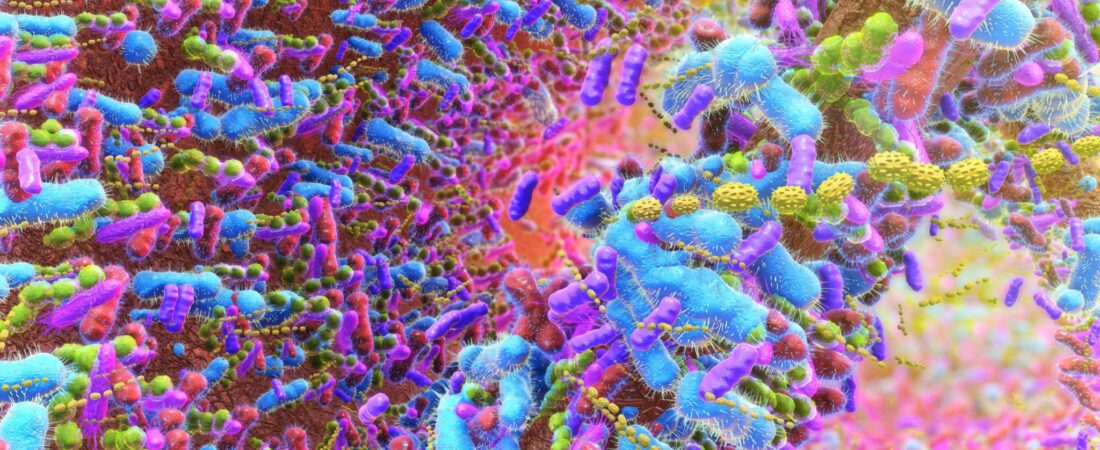
In 2026, the field of reproductive medicine witnessed a fundamental shift: the realization that the ovary is not an independent entity, but a system inextricably linked to the gut. An increasing body of research suggests that the gut microbiota—the microbiome—can directly modulate ovarian function.
This is far more than a simple association. Studies have observed that altering the gut environment induces shifts in ovarian hormonal patterns, and changes in microbial composition correlate with altered follicular growth. Specifically, an increase in certain beneficial microbes has been shown to reduce systemic inflammation and signal improvements in ovarian function.
The underlying mechanism is elegant: the gut modulates immunity, immunity regulates inflammation, and that inflammation eventually dictates the microenvironment of the ovary. The gut microbiota is no longer viewed solely as a digestive assistant; it is an “invisible regulator” that manages systemic inflammation, modulates hormonal metabolism, and influences reproductive function. For instance, estrogen metabolism is not a closed loop within the ovary; it involves complex reabsorption and degradation processes in the gut, which are governed by the gut microbiome. In short, while hormones may be synthesized in the ovary, their balance and flow are managed in the gut.
This revelation exposes the limitations of traditional infertility treatments. We have long focused exclusively on “stimulating the ovary”—administering hormones to ripen follicles and secure more eggs. However, stimulation in an environment already compromised by systemic imbalance is likely to yield eggs of lower quality. This may explain the persistent “IVF paradox” where increased stimulation does not always translate into higher birth rates.
The inquiry must now change. We should move away from the question, “How many eggs can we harvest?” and toward, “What is the status of the bodily environment nurturing these eggs?” At the center of this environment lies the gut.
Early-stage research is already signaling that dietary fiber, fermented foods, and specific probiotics can optimize the gut environment, showing positive correlations with improved ovarian function. Conversely, high-fat, ultra-processed diets are linked to gut dysbiosis, triggering chronic inflammation that degrades ovarian performance. This is no longer just “general health advice”; it is a sign that the very operational mechanism of reproductive medicine is being rewritten.
From the perspective of a fertility-specialist journalist, this shift is challenging. It implies that the core of treatment is moving outside the clinic. We are entering an era where you cannot manage the ovary without managing the gut. The ovary is no longer an organ isolated in the pelvis—it is the result of the body’s entire metabolic, immune, and microbial ecosystem. And the starting point of that journey is much further down than we previously thought: it begins in the gut.
Sources: Nature Reviews Endocrinology (2023–2025), Human Reproduction Update, Fertility and Sterility, Gut Microbiome–Estrogen metabolism reviews.
Disclaimer: This content is provided for informational purposes, based on reporting on infertility and various public data. Medical judgments and treatment decisions must always be made in consultation with professional medical personnel. Image: AI-generated (ChatGPT, OpenAI) / Visual reference for illustrative purposes only.