
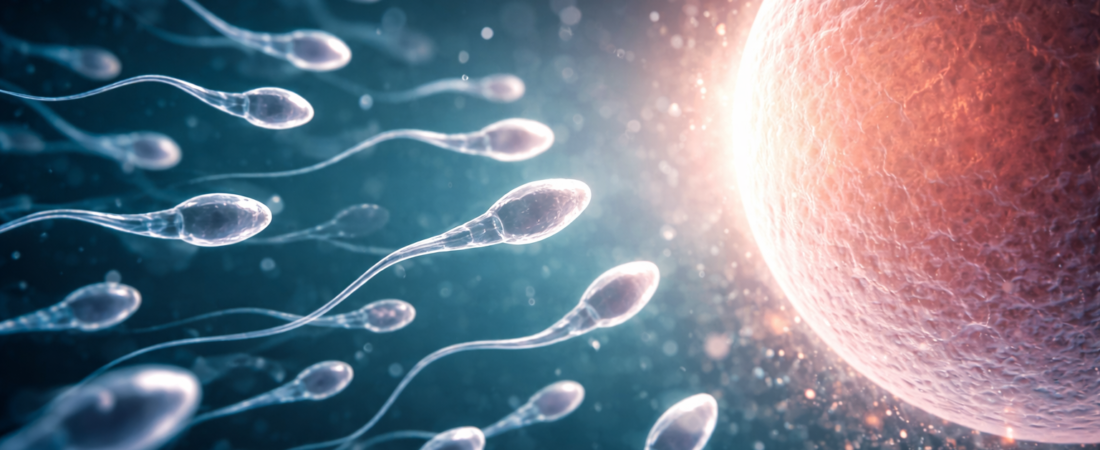
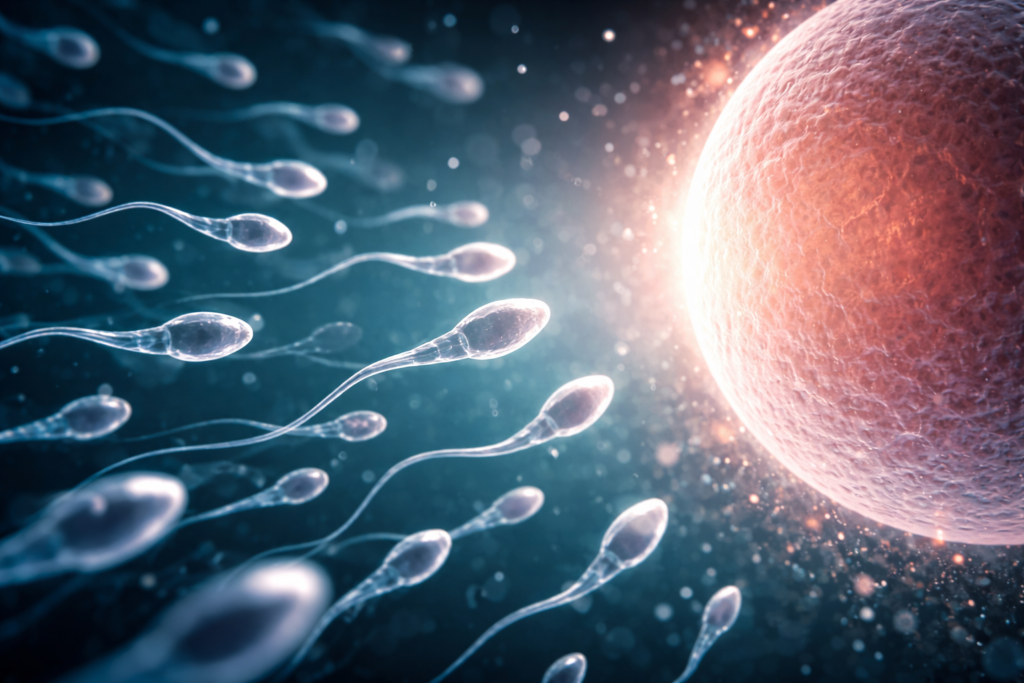
The quality of sperm is determined not in the clinic, but at the dining table. A study on male infertility released in 2026 has confirmed a definitive link between dietary habits and sperm DNA damage.
According to the study, men who adhered to a diet centered on vegetables and fish exhibited significantly lower levels of Sperm DNA Fragmentation Index (DFI). In contrast, the group that consistently consumed ultra-processed foods and a Western-style diet showed a marked increase in DFI, with some cohorts demonstrating up to a 3.7-fold higher risk of DNA damage.
The DFI is a critical metric for “invisible sperm quality.” It goes beyond simple sperm count or motility; it determines whether a sperm can support healthy embryonic development after fertilization. A high DFI suggests that even if sperm are present, their functional ability to conceive is fundamentally compromised.
The core takeaway from this research is clear: Diet directly determines the integrity of sperm DNA. An antioxidant-rich diet reduces oxidative stress, thereby protecting DNA, whereas a high-fat, high-sugar diet accelerates oxidative stress, triggering DNA strand breaks.
These findings expose the limitations of traditional male infertility diagnostics. It is not uncommon in clinical practice to encounter couples who struggle to conceive despite normal semen analysis results. Experts identify “sperm with normal appearance but damaged DNA” as a leading cause of this “invisible infertility.”
Consequently, the focus of infertility treatment is shifting. Where the field once prioritized sperm count and motility, it is now moving toward an integrated assessment that includes DNA integrity, oxidative stress, and lifestyle factors.
This research reinforces the concept that fertility is not just a matter of basic health, but a structural variable that can be actively managed. Sperm are not formed overnight; they undergo a maturation process of approximately 70 to 80 days. The lifestyle choices made during this window are directly reflected in the sperm produced.
Ultimately, the problem is clear: Sperm is not a fixed inheritance—it is a work in progress. And the starting point for that process is not the hospital, but the food on your table every single day.
Disclaimer: This content is provided for informational purposes, based on reporting on infertility and various public data. Medical judgments and treatment decisions must always be made in consultation with professional medical personnel. Image: AI-generated (ChatGPT, OpenAI) / Visual reference for illustrative purposes only.