
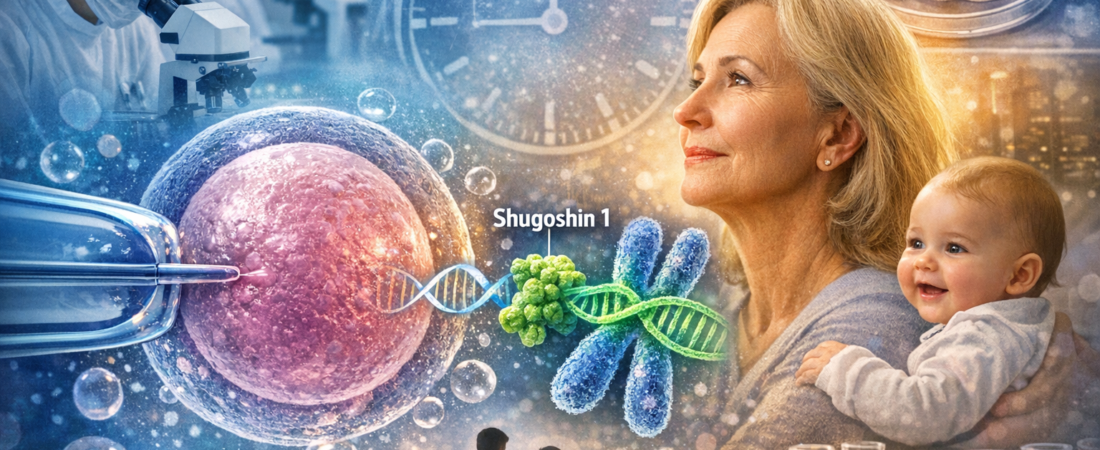
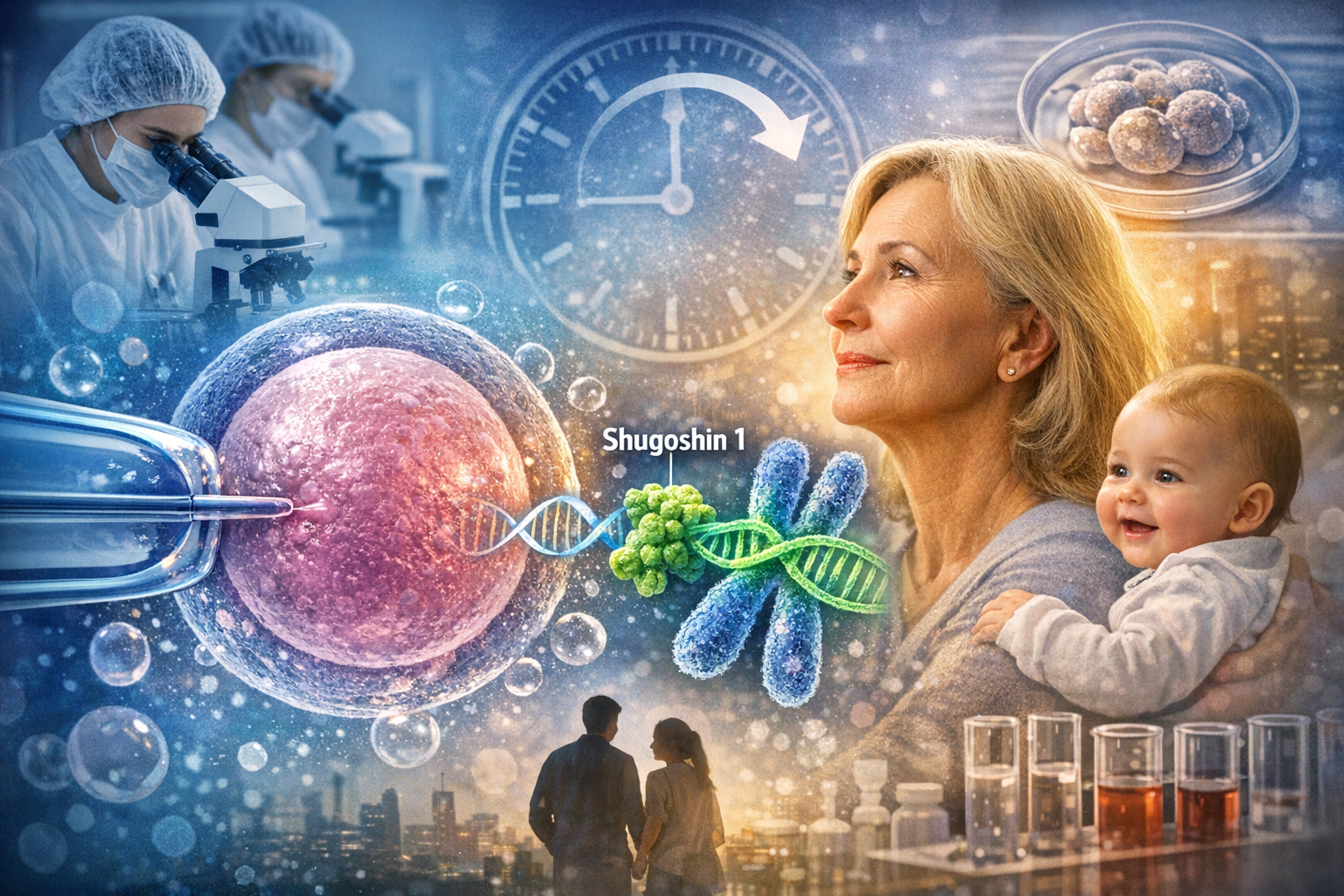
Can we turn back the biological clock? Recent experimental results, which suggest that aging eggs with diminished function can be restored to a more youthful state, have raised hopes for a potential paradigm shift in In Vitro Fertilization (IVF) for older women.
While IVF technology has seen significant advancements in areas such as genetic screening, egg freezing, and male infertility treatment, the decline in “egg quality” associated with maternal aging has remained an elusive challenge—an area virtually inaccessible to direct medical intervention. This research is drawing significant attention from the scientific community as the first attempt to address this final frontier.
The Decisive Factor: The Age of the Egg
At the annual conference of the British Fertility Society in Edinburgh, a research team from the Max Planck Institute in Germany unveiled findings on reversing the aging process of human eggs, a development reported by The Guardian.
Unlike other cells in the body, the number of eggs a woman possesses is determined at birth, making them uniquely susceptible to the relentless passage of time. Clinical statistics underscore this reality: data from British fertility clinics show that while women under 35 have an average birth success rate of about 35% per embryo in IVF, that figure drops to just 5% for women aged 43–44. This is precisely why experts emphasize that “the success of IVF ultimately hinges on the aging of the egg.”
The Key: The ‘Shugoshin 1’ Protein
The research team focused on a protein known as “Shugoshin 1” (SGO1). They discovered that the levels of this protein decline as eggs age. Shugoshin 1 acts as a biological adhesive, ensuring that chromosomes remain stably bound in an X-shape.
When this “adhesive” strength weakens, chromosomes drift apart, leading to unequal segregation during fertilization. This results in a higher likelihood of embryos with abnormal chromosome counts, which is a primary reason for the increased rates of miscarriage and implantation failure in older pregnancies.
According to the results presented at the conference, supplementing eggs with Shugoshin 1 reduced the incidence of chromosomal abnormalities by nearly half. This suggests that by micro-injecting this protein at specific intervals after egg retrieval but prior to fertilization, it may be possible to partially restore egg function.
From Lab to Clinic: The Challenge of Validation
“Our ultimate goal is to reduce the time it takes to achieve a successful pregnancy,” the research team stated, expressing hope that more women might achieve pregnancy in a single IVF cycle.
However, these findings remain at the experimental stage. Rigorous further validation is required to determine whether this can be safely applied in clinical settings and whether improved egg quality translates directly into higher live birth rates. The team maintains a cautious stance on commercialization, noting that the timeline could range from two to three years to five years or more.
Nevertheless, this study is being hailed for its potential to redirect the course of reproductive medicine, effectively challenging the long-standing dogma that “the age of an egg cannot be reversed.”
Disclaimer: This content is provided by a fertility specialist journalist based on the collection and analysis of domestic and international reproductive medicine research, policy materials, and statistical data. Medical judgments and treatment decisions must always be made in consultation with professional medical personnel. Image: AI-generated (ChatGPT, OpenAI) / Visual reference for illustrative purposes only.