
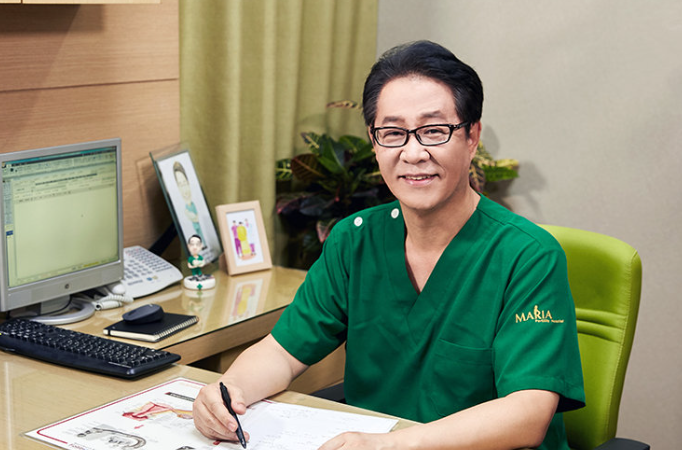
Korea’s Top IVF Specialist (80,000 cases): Dr. Lee Sung-goo of Daegu Maria Clinic
Lee Sung-goo
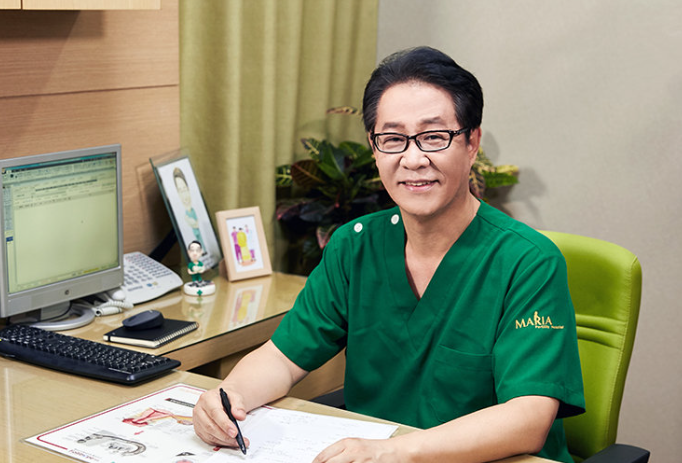
● Born in Daegu, 1962
● Performed 90,000 IVF procedures
● Graduate of Seoul National University College of Medicine
● Former Resident in Obstetrics and Gynecology, Seoul National University Hospital
● 1995~ Director of Daegu Maria Clinic, Maria Medical Foundation
To infertile patients, Dr. Lee Sung-goo is a figure whose reputation—Myungbulheojeon (a name that lives up to its fame)—is worn like a badge of honor. This reputation is built on years of proven skill and results. Another nickname for him is the “Triple-Most Doctor.” He holds the domestic record for the highest number of procedures in three categories: In Vitro Fertilization (IVF), number of babies born, and high-difficulty procedures. Because of this, couples struggling with infertility who finally ended their tear-filled journeys to welcome a second generation have gifted him the nickname, “Midas’s Hand of Life.”
An infertility specialist for 31 years, Dr. Lee began as the clinic director of Daegu Maria—a branch of the Maria Medical Foundation established in 1995—and has performed approximately 80,000 IVF procedures to date. While highly regarded doctors typically have an annual record of 1,000 IVF cases and 10,000 per decade, Dr. Lee’s record is more than 2.5 times that figure, a fact undisputed even within the assisted reproductive technology (ART) community. In recognition of these achievements, Dr. Lee was listed in Marquis Who’s Who, one of the world’s three major biographical dictionaries, in 2014. We met with the director of Daegu Maria Clinic to hear about his calling as a physician maintained over three decades and the essence of infertility treatment.
IVF, Treatment Strategies Must Vary for Each Individual Despite Daegu Maria Clinic being a branch of the Maria Medical Foundation, it performs as many IVF procedures as a nationwide hospital. Is that possible?
“In 2017, I tallied the numbers, and the cumulative count of IVF procedures was a staggering 70,000. The average number of daily outpatient visits reached 140–150, and I performed over 3,000 egg retrievals in a single year. It is no exaggeration to say that, aside from the time spent eating and sleeping, I spent my entire day providing consultations, performing egg retrievals, and conducting embryo transfers.”
I heard that the number of births from this clinic is also the highest in the country, just like the IVF count.
“Over 2,000 babies were born every year. Up until 2017, more than 40,000 babies had been born. Looking back, it was a series of arduous, repetitive days that felt machine-like, but every time a life grew from the brink of despair, I felt a heart-bursting sense of reward and felt that I was truly alive.”
His expression brightened as he spoke. Rather than the hardship of those days, a sense of mission and pride in dealing with life seemed to emanate from his face.
Have you tracked the statistics recently?
Photo caption: Dr. Lee extracting the PRP (platelet-rich plasma) layer separated by centrifuging the patient’s blood. (Maria Hospital)
“I lost interest in statistics at some point. These days, I am curious about whether the babies I helped bring into the world are growing up healthy. As important as giving life to a baby is their healthy growth. Nowadays, I want to pour more sincerity into each and every patient. Couples who come to see me are exhausted from infertility treatment and are holding onto their final hope. They say, ‘If it doesn’t work here, I’ll give up.’ It is so desperate that even I find myself choked up. I want to communicate and treat them more deeply. Over the last 15 years, many excellent junior infertility specialists have been trained, and infertility hospitals have increased nationwide. That is why, unless a high-difficulty procedure is required, I now advise patients to visit an infertility hospital near their home.”
What if it is a high-difficulty infertility case?
“It is better to entrust it to a doctor with extensive experience. While IVF protocols may look similar, treatment strategies must vary for each patient. Reactions differ based on the state of the ovaries, and one must be able to read the subtle nuances missed in previous failures to correct the treatment direction and achieve good results. Furthermore, one should not overlook the fact that each doctor has different manual dexterity in egg retrieval or embryo transfer, and the doctor’s judgment and intuition in every situation play a critical role.”
Based on the number of patients treated over the past 30 years, it is estimated that he has performed approximately 1 million ultrasound examinations and over 80,000 egg retrievals. Perhaps that is why patients who have received fertility treatment consider him a doctor who has mastered ultrasounds and egg retrieval.
“That is too much praise. In fact, simply looking at many ultrasounds does not necessarily improve your skill. However, looking at many of them certainly develops a different eye. The accumulation of experience changes the criteria and interpretation of reading ultrasounds. If a patient has conditions like uterine fibroids or adenomyosis in their reproductive organs, different doctors often have different opinions on the ultrasound, which frequently leads to patient confusion. While a less experienced doctor might only read the structure of the disease, one with vast experience gains the ability to identify whether the current state is a pattern that hinders fertility. Ultimately, a doctor’s experience has a significant impact on ultrasound interpretation and determines the direction of treatment.”
Why a Doctor’s Experience and Confidence Matter The state of sperm, eggs, embryos, and the implantation environment is something the individual has to bear. In that sense, I believe there are limits to what a doctor and embryology technology can do for a patient.
“That is certainly true. The subject of pregnancy is undeniably the woman’s body. Primarily, healthy sperm and eggs must be secured, but the process of creating a physical state conducive to pregnancy depends on the doctor’s strategy and skill. The gaze and words of an experienced doctor influence the patient’s mental and hormonal state, which is subtly reflected in the quality of the eggs, sperm, embryos, and the implantation environment. Ultimately, the doctor’s experience and confidence transcend mere technology and subtly become one with the patient’s reproductive function.”
I have heard many cases where even high-difficulty infertility patients with slim chances of pregnancy succeeded like a miracle. What is the secret?
“I think I’ve benefited from co-culture. Co-culture is a method that allows embryos to grow in an environment close to nature. In a natural pregnancy, fertilization and early development occur inside the fallopian tubes, but in IVF, embryos divide in an artificial environment. No matter how excellent the culture medium is, it cannot fully replace the human body’s environment. Co-culture is a self-cell culture method that utilizes follicular fluid and cumulus cells as they are, allowing the embryo to receive the aid of self-secretion and interactions between surrounding cells while it grows. In this respect, I have insisted on co-culture because I judge it to create a better environment for embryos to grow than synthetic media.”
Do you insist on co-culture even if the fluid surrounding the eggs themselves is not healthy?
“If the environment surrounding the eggs is not healthy, I switch to general culture media. However, if I see healthy eggs and follicular fluid among the retrieved eggs, I choose co-culture. There are quite a few cases where patients with diminished ovarian reserve or low egg quality have succeeded in pregnancy and childbirth through co-culture.”
Why don’t other infertility hospitals use such an excellent co-culture method?
“It is likely because it is too much work and quite demanding. Ultimately, this area is governed by experience. Co-culture involves directly handling living germ cells, so the risk is high, and it is not easy to achieve efficiency without proficiency. Since our hospital (Daegu Maria Clinic) has performed tens of thousands of co-culture cases over 30 years, the process has become second nature, but for general hospitals, the barrier to newly introducing and learning it is high. Furthermore, recently, the quality of commercial culture media has improved significantly, so in many cases, there is no felt need to attempt co-culture.”
When ovarian function is diminished, mitochondria function declines, and eggs with poor cytoplasm lower the pregnancy rate when they become embryos (fertilized eggs). Is there a special cultivation method to prevent this?
“There is a polyphenol-based antioxidant substance called resveratrol. It plays a significant role in regulating mitochondrial function and aging pathways (SIRT1). A few years ago, I started using a specialized culture medium with added resveratrol for women with diminished ovarian reserve, and we achieved results in improving embryo quality by enhancing mitochondrial function and reducing reactive oxygen species. Recently, ‘Cultured PRP’ technology has also been developed, where we add growth-factor-rich components (PRP) obtained from the patient’s own blood to the culture medium. Clinical results show that the pregnancy success rate for patients who previously had difficulty with implantation has significantly increased. I plan to actively introduce this in the future.”
The Miracle of Pregnancy Doesn’t Happen Just by Waiting Does IVF cultivation technology depend on whether you have the latest facilities?
“Of course, facilities are important. However, embryos are not raised by equipment. They are raised by the eyes, hands, and judgment of the embryologist. Only when failure causes and success know-how are accumulated through countless repeated attempts, and that process leads to immediate feedback, can one gain confidence in technique and situational judgment. Ultimately, cultivation technology is developed by oneself as experience accumulates.”
IVF doesn’t end with one try. Why is that?
Photo caption: Dr. Lee Sung-goo was listed in the world’s three major biographical dictionaries, ‘Marquis Who’s Who,’ in 2014. (Daegu Maria Clinic)
“Success in IVF can be expected when strong eggs and sperm meet. We need eggs and sperm without chromosomal abnormalities, but the problem lies in the fact that that combination is different every time. Different eggs and sperm come out each round, so we take on the challenge with a new embryo every time. The potential of an embryo varies depending on the culture environment. The culture medium and conditions must match for the embryo to fully reveal its inherent potential, and a well-grown embryo is selected from among them. Finally, the uterine environment at that moment must be ready to receive the embryo. If any of these are out of sync, one cannot expect a good result. That is why IVF does not end with a single attempt. Pregnancy is achieved only when the sperm and egg, the embryo and culture environment, and the timing of the uterus all fall into place simultaneously during multiple challenges.”
As a doctor who has performed over 80,000 IVF cases to date, tell me: Is enabling pregnancy for an infertile patient a miracle or the power of technology?
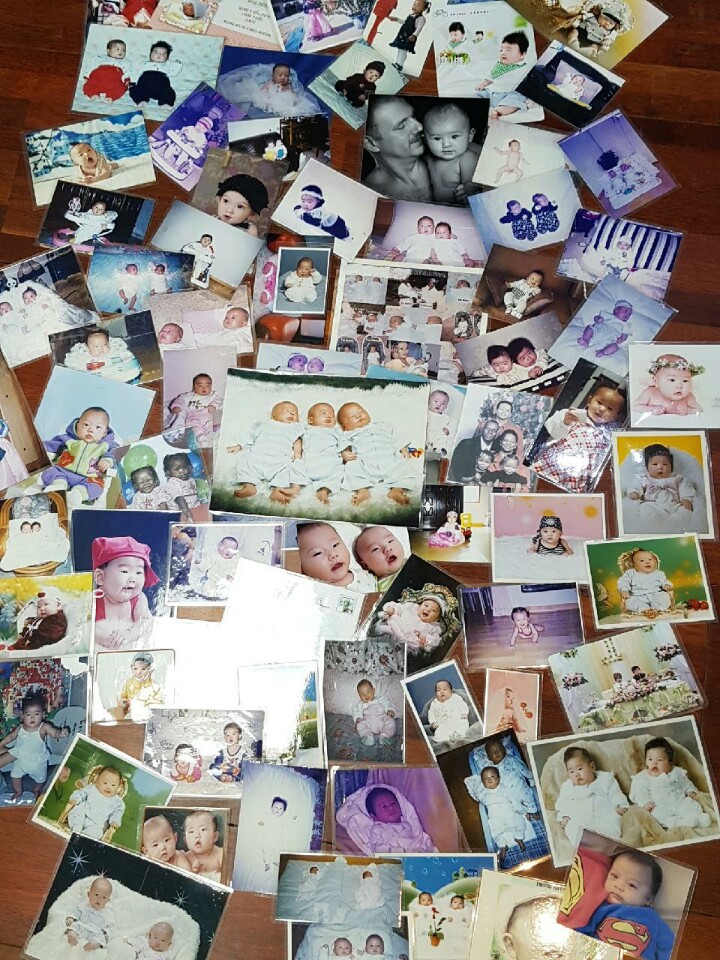
“Since 1978, the number of babies born worldwide through IVF has reached 17 million. In Korea, about 10% of newborns every year come into the world through infertility treatment. Looking at the numbers alone, pregnancy seems to have entered the realm of technology. However, we cannot say that life is made by technology. Life still begins as a miracle. Even if it is a planned pregnancy, a pregnancy at a chosen time, the fact that one has succeeded in becoming pregnant is itself a miracle. Technology only increases the probability of that miracle happening; it does not replace the creation of life. However, one should not just wait for a miracle. One should not just clasp their hands and pray. (If pregnancy doesn’t happen), you should entrust it to the latest technology (IVF) that increases the probability of a miracle occurring.”
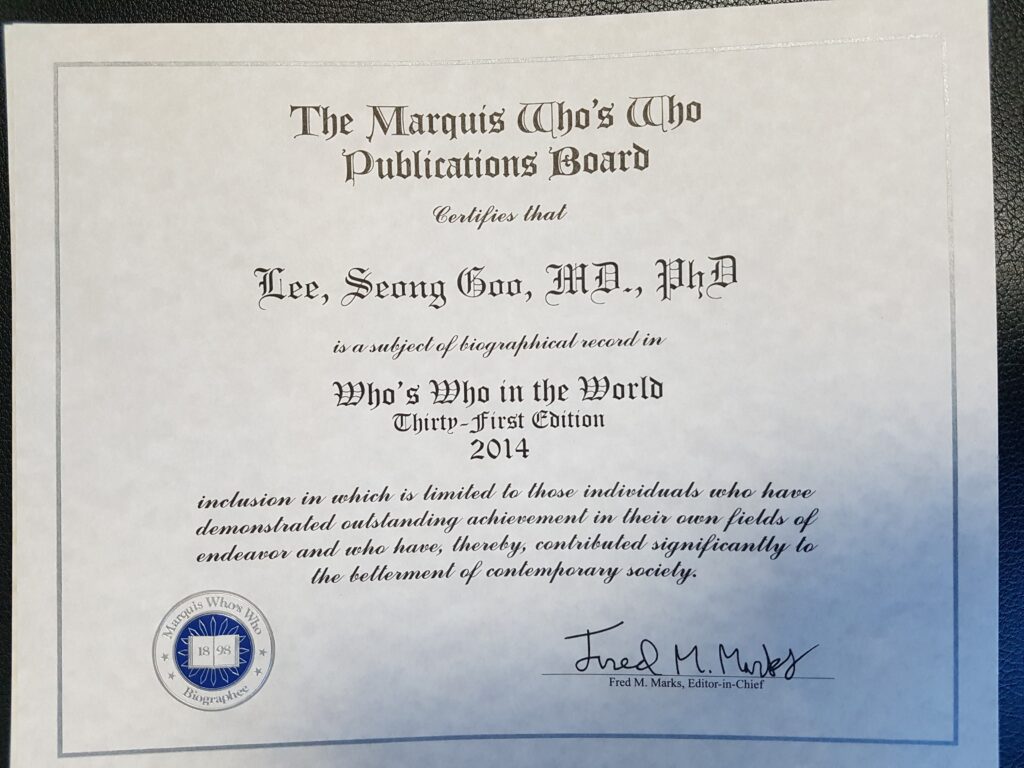
Photo caption: Dr. Lee Sung-goo was listed in Marquis Who’s Who, one of the world’s three major biographical dictionaries.