
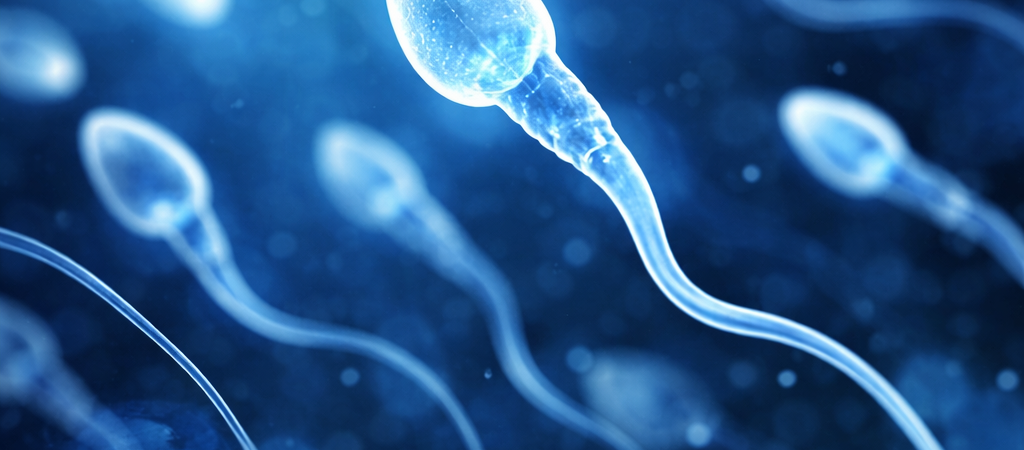
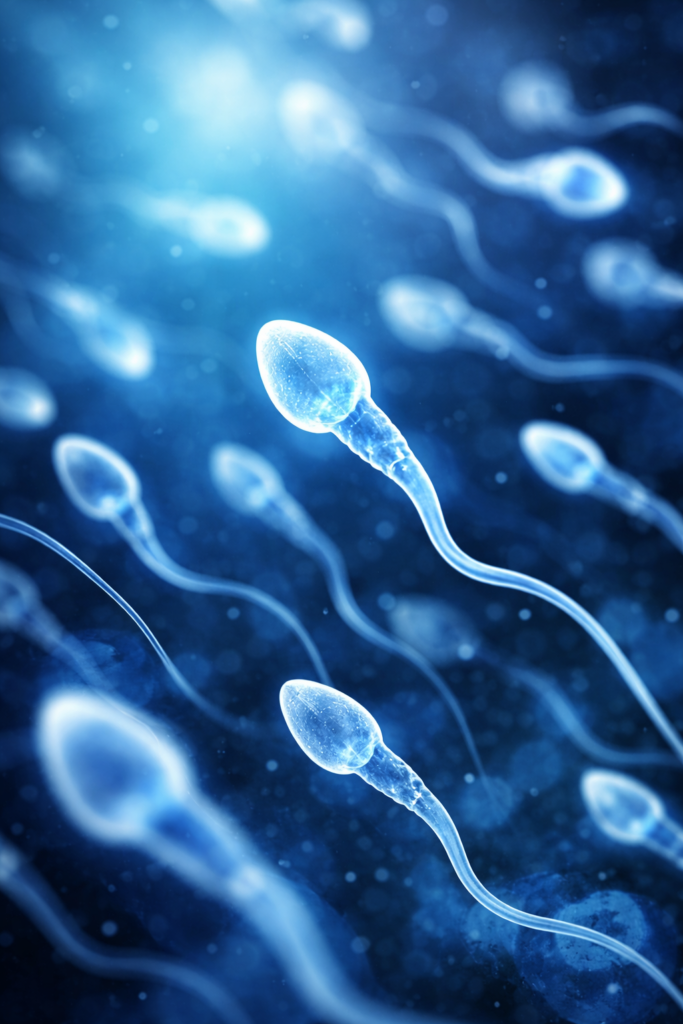
For decades, the diagnosis of male infertility was simple. It focused exclusively on the testis—the site of production—and relied on three numerical indicators: count, motility, and morphology. However, recent research is dismantling this simplistic formula. It is becoming increasingly clear that sperm is not merely a “product of the testicles,” but the ultimate reflection of the body’s entire physiological environment.
The breakthrough lies in the discovery of the seminal microbiome.
While semen was historically assumed to be a near-sterile environment, we now know it harbors a complex ecosystem of microorganisms. Mounting evidence suggests that the composition of this seminal microbiome is directly linked to the quality of sperm.
The clinical findings are striking. Cases with an abundance of Lactobacillus—generally recognized as a beneficial bacteria—show more stable sperm concentration and motility. Conversely, an increase in Prevotella, a genus associated with inflammation, is frequently accompanied by sperm DNA damage and reduced functional quality. This indicates the existence of a “microbial fingerprint” of reproductive potential, shifting our understanding from simple correlation to potential causation.
This paradigm shift leads us to the concept of the “Gut-Testis Axis.” This theory posits that the gut microbial environment influences testicular function and sperm production through complex pathways involving immune regulation, inflammation, and hormonal balance. Simply put, a compromised gut health can directly impair sperm health.
This discovery has profound clinical implications. Previously, male infertility diagnostics centered on the question: “Why have these semen parameters declined?” Now, the focus is shifting toward a more holistic inquiry: “What is the status of the patient’s entire physiological environment?” Gut health, dietary patterns, chronic inflammation, and even stress are now being integrated as critical variables affecting sperm quality.
Consequently, the strategy for treating male infertility is evolving. Beyond traditional antioxidant and hormonal therapies, the integration of probiotics, targeted dietary interventions, and gut microbiome optimization is emerging as a legitimate therapeutic strategy. Some studies have already reported that improving the gut microbial composition correlates with improved sperm quality. While still in the early stages, the direction is clear: sperm health is no longer an issue restricted to a local organ. It is a highly sensitive index that reflects the systemic state of the entire body.
Disclaimer: This content is provided for informational purposes, based on reporting on infertility and various public data. Medical judgments and treatment decisions must always be made in consultation with professional medical personnel. Image: AI-generated (ChatGPT, OpenAI) / Visual reference for illustrative purposes only.