
What’s Scarier Than Sugar? ‘Hidden Carbohydrates’
“I didn’t even add sugar, so why did my blood sugar spike this much?”
Patients with diabetes often ask this in the clinic. It stems from the belief that non-sweet foods are safe for blood sugar. However, experts say this is one of the most common misunderstandings. What determines blood sugar is not the sweetness, but the total amount of carbohydrates entering the body.
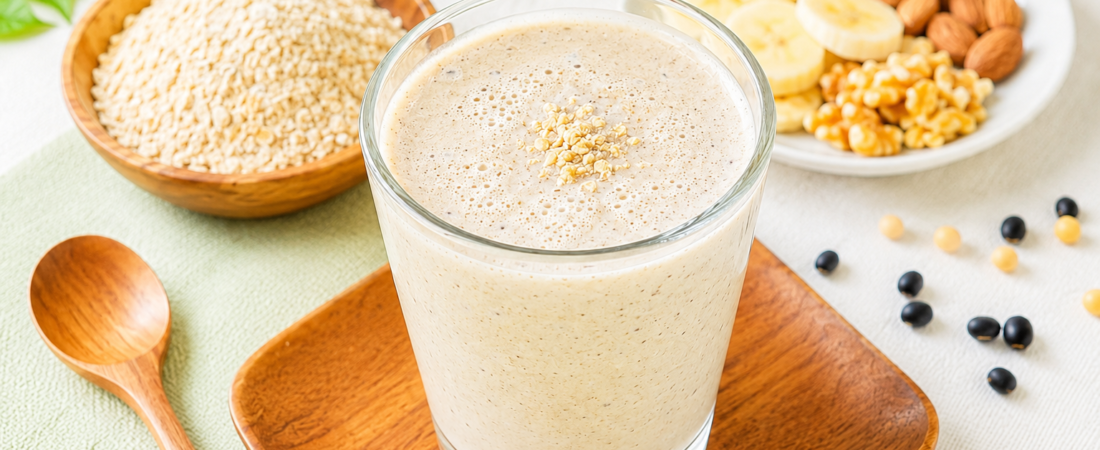
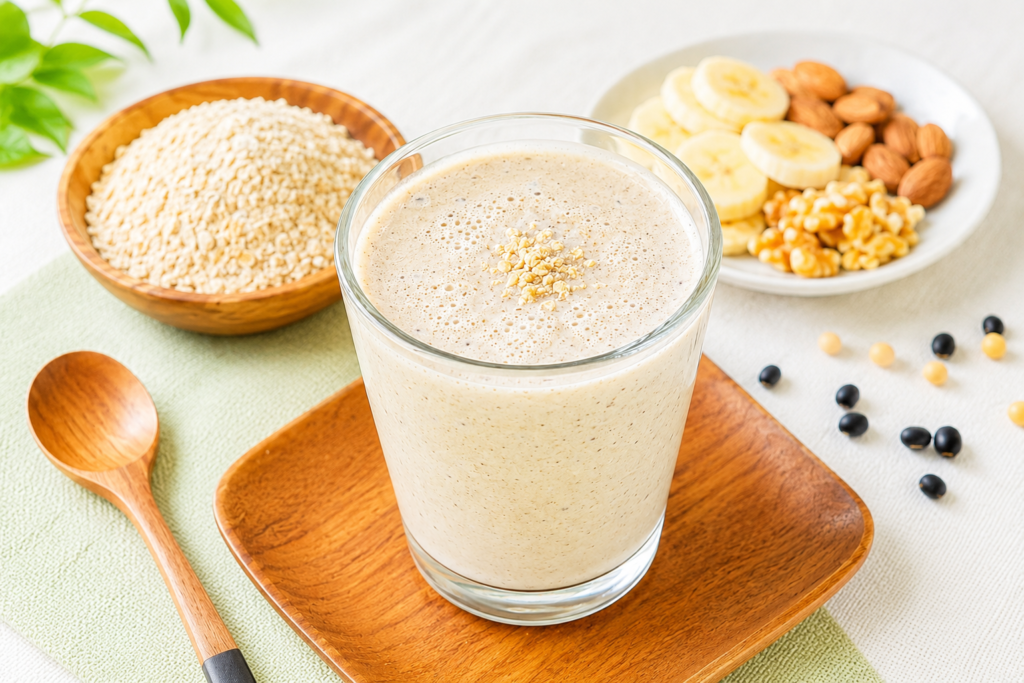
A prime example is misutgaru. Because it is made of grains, there is a strong perception that it is a ‘health food.’ However, depending on the product, how much you drink, and what you eat it with, your blood sugar response can vary significantly.
The Korean Diabetes Association identifies the amount of carbohydrates in a meal as the most critical factor influencing post-meal blood sugar. Even with the same grains, the speed of blood sugar rise can vary depending on the processing method, fiber content, particle size, and whether protein and fat are included.
While many people remember misutgaru as ‘grain,’ our bodies perceive the ‘powder’ form first. Chewing brown rice, barley, or beans is a different digestive process than drinking them finely ground in water or milk. Finely pulverized grains allow digestive enzymes to meet the starch more easily, accelerating its breakdown into glucose.
Recent nutritional research supports this. A randomized crossover trial published in the international journal Food & Function showed that bread made with coarsely ground chickpea flour resulted in lower post-meal blood sugar spikes than bread made with finely ground chickpea flour or regular wheat bread. The researchers analyzed that not only the type of grain but also the degree of pulverization can affect blood sugar response.
Of course, it is difficult to apply this result to all misutgaru products directly. There are limitations, such as the small study size and the use of bread as the test food. However, it demonstrates that the simple formula of “it’s grain, so it’s unconditionally good for blood sugar” is not always true.
Experts point out that there is one thing consumers misunderstand most: the phrase “no added sugar.”
“No added sugar” does not mean it is free of carbohydrates. Most of misutgaru consists of grain starch—carbohydrates. Even without sugar, if you drink several large scoops, the intake of carbohydrates that affect blood sugar ultimately increases significantly.
Conversely, even if there is a little sweetness, controlling the portion size and consuming it with protein and fiber can help reduce blood sugar spikes. In the end, what matters is the nutritional composition of the entire meal rather than the presence or absence of sweetness.
Commercially available misutgaru products also vary greatly. Some use only grains, while others add sugar, glucose, high-fructose corn syrup, or starch syrup. Looking only at the ‘sugar’ content on the nutrition label is insufficient. You need to develop the habit of checking the ingredient list for added sugar or syrup and checking how many grams of carbohydrates are in a single serving.
The same applies when drinking it with milk. While milk contains a natural sugar called lactose, it also contains protein and fat. Experts explain that you should examine the overall nutritional composition consumed with the misutgaru rather than considering water or milk as absolutely better.
A bigger problem is that misutgaru is often treated as a ‘full meal.’ If you drink just one glass of misutgaru for breakfast to save time, the proportion of carbohydrates is high, while protein is lacking. Because satiety does not last long, it increases the likelihood of feeling hungry before lunch or overeating at the next meal.
In fact, a randomized crossover trial in healthy adults showed that an egg-based breakfast rich in protein resulted in a lower post-meal blood sugar response and lower calorie intake at the next meal compared to a typical cereal breakfast. When fiber was consumed together, satiety was maintained for even longer.
Experts do not view misutgaru as a food to avoid. Instead, they say it can be a good breakfast for busy modern people if used correctly.
The method is simpler than you think. Do not exceed the serving size indicated on the product, and choose ‘no sugar’ products if possible. Pairing it with protein-rich foods like boiled eggs, tofu, or Greek yogurt, along with vegetables or nuts, helps with blood sugar management and maintaining satiety.
For those with diabetes or impaired fasting glucose, checking post-meal blood sugar directly to find a serving size that suits you is also important. Even with the same misutgaru, raw material ratios and processing methods differ by product, so individual blood sugar responses can vary.
The name ‘health food’ only describes the image of the food; it does not guarantee your blood sugar level. The same goes for misutgaru. What matters is not what you eat, but how much you eat and what you eat it with. A cup for your health can become a hearty breakfast if you change the method, but otherwise, it can return as a greater-than-expected blood sugar burden.
In particular, women with Polycystic Ovary Syndrome (PCOS) must be even more careful with blood sugar management. Many patients with PCOS often have insulin resistance, so repeated ‘blood sugar spikes’ after meals can worsen weight gain and hormonal imbalances. As this can also affect ovulation disorders and reproductive function, dietary habits such as controlling the portion of carbohydrate-heavy foods like misutgaru and consuming them with protein and fiber are helpful. A diet that raises blood sugar slowly is an important lifestyle habit not only for preventing diabetes but also for managing PCOS and for women preparing for pregnancy.
※ This article was written based on domestic and international medical and nutritional research results, including the Korean Diabetes Association’s dietary guidelines, studies on grain particle size and post-meal blood sugar response published in Food & Function, and randomized crossover trials for adults. It does not replace specific individual diagnosis or treatment, and actual medical judgment must be made through consultation with a specialist.
※ Image: Created using generative AI (ChatGPT, OpenAI); depicts fictional individuals, not real people.