
What Fertility Specialists Say the Real Dangers Are
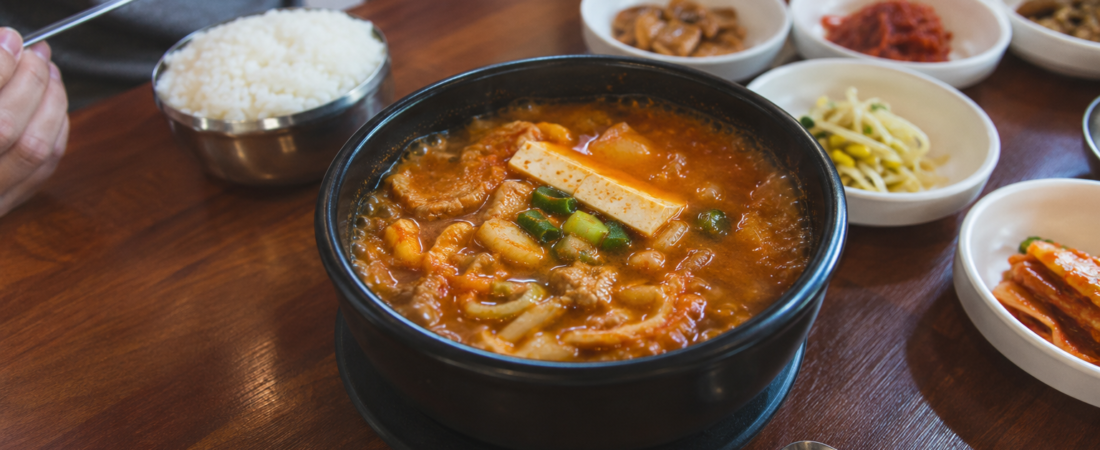
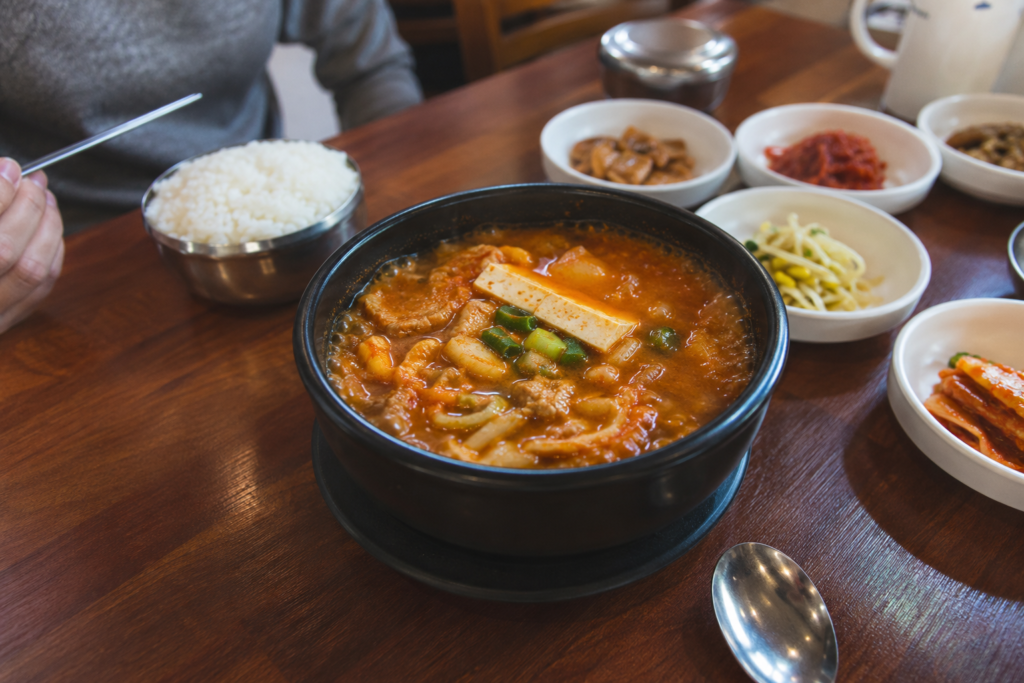
“Is it okay that I had kimchi stew?” “Does eating spicy rice cakes (tteokbokki) hinder implantation?”
These are among the most frequent questions asked by women preparing for In Vitro Fertilization (IVF).
The internet is flooded with claims that “spicy foods irritate the uterus” and “salty foods prevent embryos from implanting.” However, to cut straight to the conclusion, there is currently no medical evidence that consuming spicy or salty foods themselves directly hinders implantation.
This does not mean you can freely eat heavily seasoned foods every day without a care. Fertility specialists explain that what dictates implantation is not any single specific food, but the overall metabolic environment and vascular health of the body.
The Real Impact of Salty and Spicy Foods
Implantation is the process by which a fertilized embryo firmly roots itself into the endometrium. The most critical factors during this phase are a healthy endometrial state, sufficient blood flow, and an appropriate hormonal environment. When blood flows smoothly to the uterus and inflammation is minimized, the likelihood of the embryo settling in stably increases.
The real problem lies in excessive sodium intake.
Consuming high amounts of salty foods over a long period can raise blood pressure, impair blood vessel function, and increase bodily inflammation and fluid retention. These changes do not merely affect the uterus; they deteriorate the vascular health of the entire body. While it cannot be said to directly block implantation, experts uniformly agree that it does not help create an environment favorable for pregnancy.
The same goes for spicy foods. There are no research findings showing that capsaicin—the substance that gives peppers their heat—causes embryos to detach or triggers uterine contractions to disrupt implantation. In fact, moderately spicy foods can boost appetite and elevate mood.
However, repeatedly eating excessively spicy foods can induce gastritis, acid reflux, diarrhea, and sleep disturbances. If the body cannot rest adequately and stress hormones rise, overall health can be shaken, which can indirectly impact the pregnancy preparation process.
This is precisely why fertility specialists do not prescribe a specific “implantation food” to patients ahead of IVF. No single food item determines pregnancy; creating a healthy physical baseline is vastly more important.
Factors That Truly Matter
Instead, other factors have a much greater impact on implantation and pregnancy success rates. Obesity, insulin resistance, diabetes, thyroid dysfunction, chronic sleep deprivation, smoking, heavy drinking, and severe stress are factors whose correlation with pregnancy rates has been confirmed across numerous studies.
Maintaining stable blood sugar and blood pressure, along with managing an appropriate body weight, is known to help boost IVF success rates.
The World Health Organization (WHO) recommends a daily sodium intake of under 2 grams (about 5 grams of salt). The average sodium intake of adults in Korea significantly exceeds this recommended limit. Given a culinary culture rich in kimchi, stews, broths, and various processed foods, many people overconsume sodium without realizing it.
Fertility specialists emphasize that during the period of preparing for pregnancy, “balance” is more important than “strict bans.” Implantation does not fail because of an occasional bowl of tteokbokki or a spicy meal. However, a lifestyle of repeatedly eating salty and stimulating meals every day slowly deteriorates vascular and metabolic health, ultimately creating a physical state less favorable for pregnancy.
Ultimately, what decides implantation is not a single bowl of food. Far more important than the kimchi stew or tteokbokki you ate today are your everyday habits. The body remembers repetitive long-term dietary patterns, not just a single meal. The best diet for preparing for pregnancy is not a magical “implantation food,” but a healthy diet that preserves the balance of your blood vessels, hormones, and entire body.
※ This article was written based on domestic and international reproductive medicine research, World Health Organization (WHO) recommendations, and consultations with specialists in fertility and reproductive medicine. It does not replace a specific individual’s diagnosis or treatment, and actual medical judgment must be made through consultation with a specialist.
※ Images: Created using generative AI (ChatGPT, OpenAI); depicts fictional individuals, not real people.