
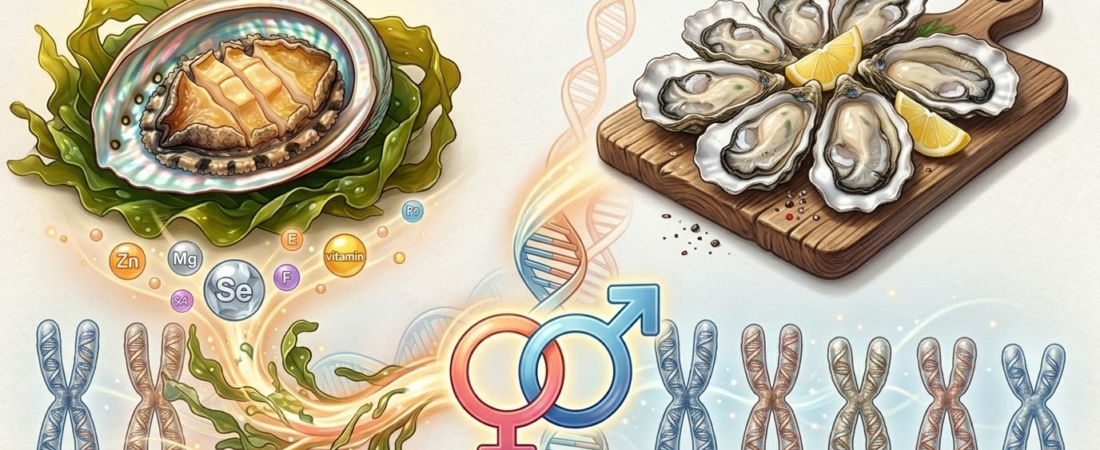
Among women undergoing fertility treatments, there is a specific dish frequently referred to as an “implantation food”: abalone.
It is incredibly easy to find stories on online fertility communities of patients meticulously eating abalone porridge (jeonbok-juk) right before and after their embryo transfers.
While abalone is universally celebrated as a highly nutritious delicacy, the question of whether it actually, tangibly increases the probability of achieving a pregnancy is one that deserves a calm, evidence-based answer.
Since ancient times, abalone has held a prominent status as a premium restorative food.
Harvested primarily along the clean southern coastlines of Wando and Jindo, abalone is a low-fat, high-protein powerhouse. It is packed with a comprehensive profile of essential nutrients, including vitamin A, B-complex vitamins, vitamin E, zinc, folate, calcium, and magnesium. Notably, several of these specific micronutrients share an indirect connection with reproductive health.
For instance, abalone contains high levels of L-arginine, an amino acid that acts as a natural vasodilator to improve blood circulation. This cellular pathway can potentially exert a positive influence by enhancing the vascular environment and blood flow delivering to the uterus and ovaries.
Abalone is also rich in taurin, which suppresses fatigue toxins and accelerates systemic metabolism, thereby aiding in overall physical recovery. Furthermore, folate and zinc are indispensable micronutrients for cellular division and the maintenance of standard gamete function—elements that are fundamentally essential when preparing for conception.
Given this impressive nutritional profile, it is entirely natural that abalone earned its popular reputation as an ideal “implantation food.” However, if we look beneath the surface, there is a critical distinction that must be addressed.
While the individual nutrients found in abalone can undoubtedly support general reproductive vitality, it is medically inaccurate to claim that consuming any single, specific food possesses a direct, causative effect on whether an embryo successfully implants.
In other words, abalone is strictly a supportive dietary tool that aids in improving overall physical conditioning; it is not a decisive clinical variable that dictates the success or failure of a pregnancy.
In the field of reproductive medicine, the overwhelming determinants of success remain embryo quality, endometrial receptivity, hormonal equilibrium, and timely medical intervention.
On a separate note, the potential benefits of abalone on hepatic (간) health are also highly noteworthy.
The liver is not merely a detoxification organ; it plays a central role in regulating systemic hormone metabolism and overall energy homeostasis. Maintaining optimal liver function is a prerequisite for smooth, balanced hormone secretion, which in turn allows the entire reproductive system to function in a highly stable state.
When viewed within this biological framework, abalone is more accurately defined not as a direct “implantation catalyst,” but rather as an excellent supplemental food that refines the body’s baseline metabolic environment.
Ultimately, labeling abalone as an “implantation food” is an expression rooted more in shared patient experiences and emotional hope rather than strict scientific fact.
The key takeaway for patients is to avoid placing absolute expectations on any single superfood. Instead, success is built on a foundation of balanced systemic nutrition, proactive lifestyle management, and an accurate, specialist-guided medical approach. Abalone is undeniably an exceptional food—but it is not the ultimate key that unlocks a pregnancy.