
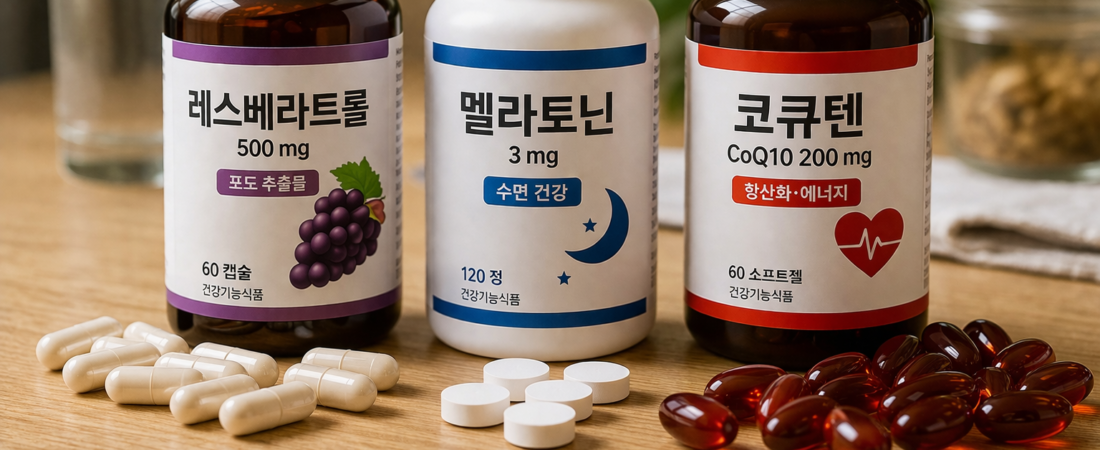
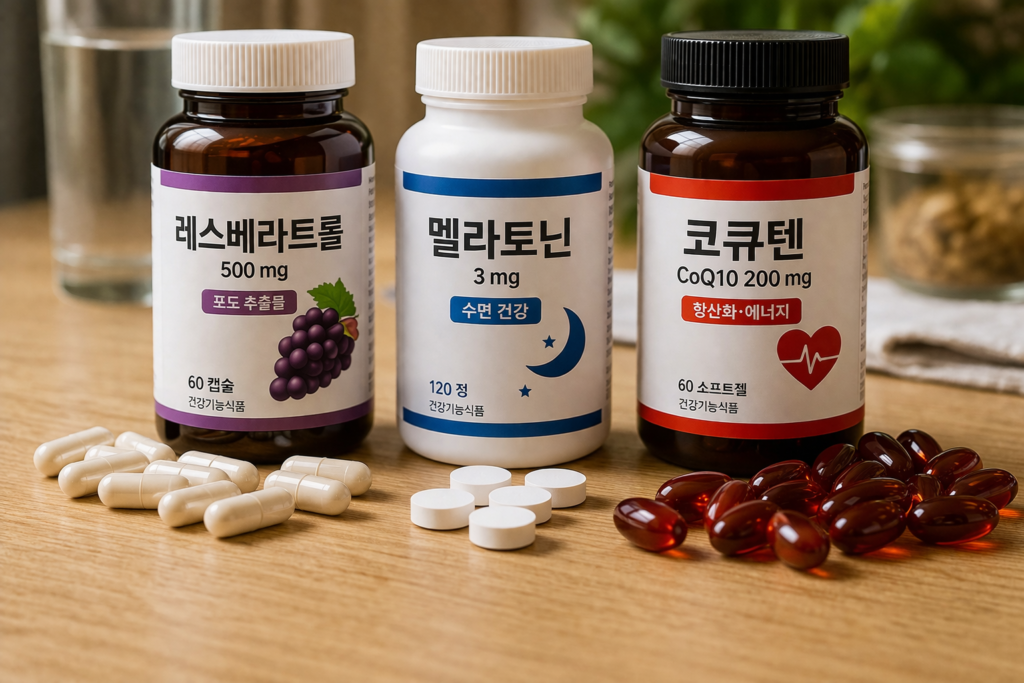
The waiting rooms of fertility clinics are filled with a quiet, palpable tension. Patients exchange tips about Coenzyme Q10, resveratrol, and melatonin as if they were trading secrets to a miracle. While these supplements are all different, they share a common burden: the weight of a couple’s hope that “this might finally be the answer.”
However, we are making a fundamental mistake. We are trying to solve disparate biological issues with a “one-size-fits-all” supplement strategy, while ignoring the most critical question: “What is the actual cause of our infertility?”
The Illusion of Efficacy The market thrives on translating “potential” into “guaranteed results.” But each supplement acts on different biological pathways, and none can compensate for an undiagnosed systemic issue:
- Coenzyme Q10: Acts as cellular fuel. It helps mitochondria produce energy, which can be beneficial for oocytes struggling with energy production. But fuel alone does not guarantee that a car will reach its destination.
- Resveratrol: Often marketed for its anti-aging properties, it targets metabolic inflammation. However, suggesting it improves overall pregnancy rates is a stretch. In some contexts, it may even be a variable that complicates rather than assists your specific protocol.
- Melatonin: Frequently used as a default supplement to stabilize the cellular environment. While it reduces oxidative stress, a better environment does not automatically lead to successful embryo implantation.
The Missing Question: Why? By obsessing over the ingredient list, we bypass the root cause. Is the issue with sperm quality? Is it an embryonic chromosomal abnormality? Is it a lack of uterine receptivity? Relying on a supplement to “fix” infertility without a clear clinical diagnosis is like trying to fix a leak in a roof by rearranging the furniture in the living room.
Clarifying the Roles It is true that these supplements can be helpful, but it is vital to understand their limits. They may improve cellular conditions, but they do not inherently boost implantation rates. Their roles are specific and narrow:
- Coenzyme Q10: Targeted for those with low mitochondrial energy in oocytes.
- Resveratrol: Targeted for those with specific metabolic disturbances or chronic inflammation.
- Melatonin: Targeted for those with significant sleep deprivation or high systemic oxidative stress.
Conclusion: Precision Over Hype The desperation of infertility often leads to a pursuit of “more”—more pills, more brands, more hope. But the path to a healthy pregnancy is rarely found in the number of supplements on your counter.
We must stop treating infertility as a nutrient deficiency and start treating it as a complex biological challenge. Supplements are tools, not keys. They can support the process, but they cannot replace a rigorous clinical investigation into why the process is stalling.
If you are struggling, don’t ask, “What else can I take?” Ask your specialist, “What is the primary barrier preventing our success?” True progress begins not in the pharmacy aisle, but in the diagnosis room. Supplements may provide the fuel, but a clear diagnosis provides the map.
Sources: Analysis of latest clinical trends in reproductive medicine and physiological mechanisms of common fertility supplements.
Disclaimer: This report is for informational purposes. Nutritional supplements should never substitute for a comprehensive clinical workup and professional medical diagnosis.