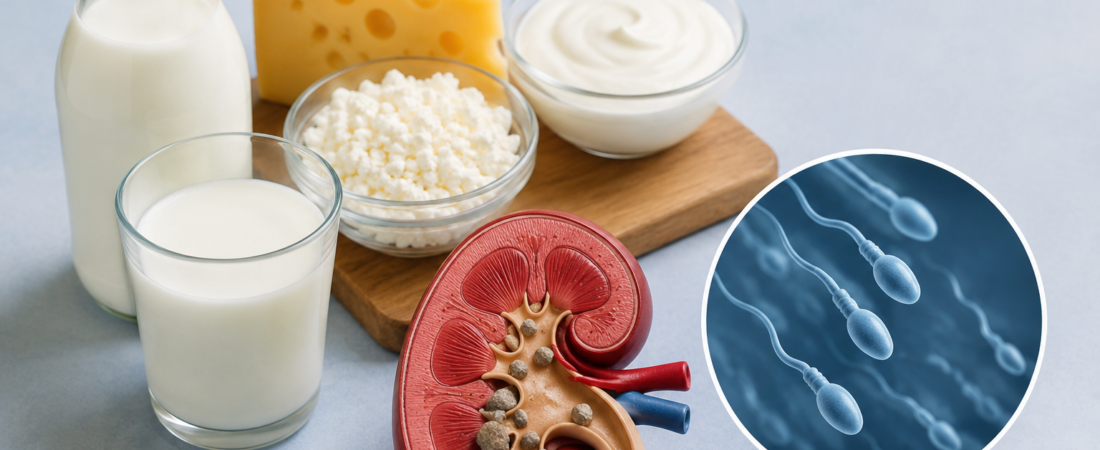
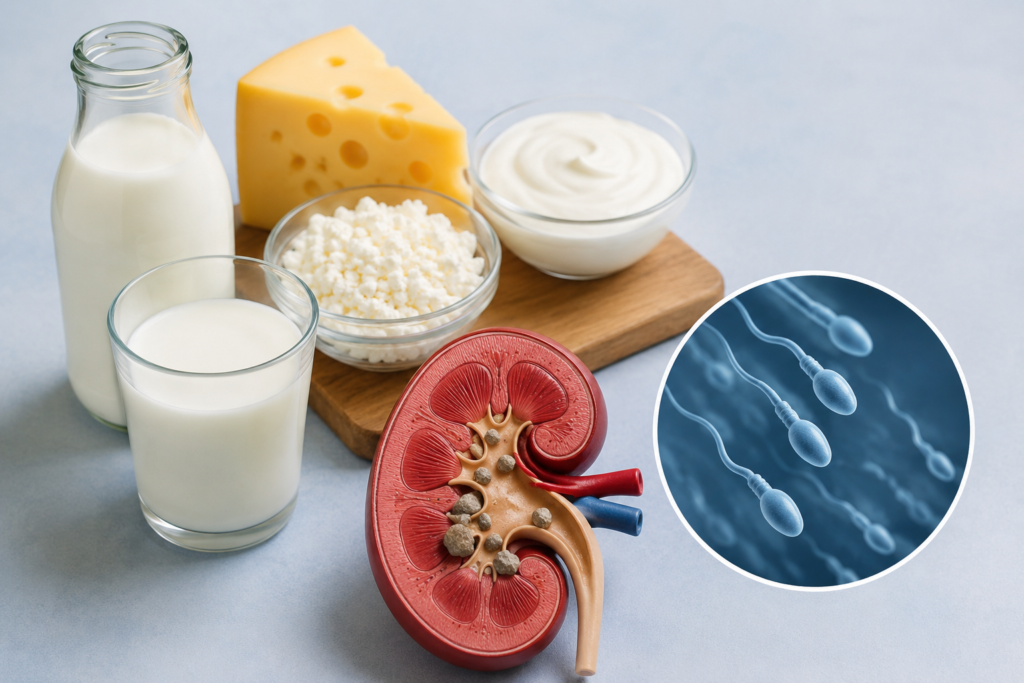
For many diagnosed with kidney stones, the first instinct is to immediately eliminate milk and dairy from their diet. The logic seems sound: since most stones are composed of calcium, avoiding calcium-rich foods should prevent them from forming, right? However, recent large-scale genetic studies suggest that this long-held clinical belief may be fundamentally flawed.
The Kidney Stone Paradox: Calcium as a Protector A recent study utilizing large-scale genetic data from the UK Biobank and the FinnGen project analyzed the relationship between milk intake and the incidence of kidney stones. By employing “Mendelian Randomization”—a technique that uses genetic markers to estimate causal relationships—researchers discovered a counterintuitive trend: higher milk intake was associated with a decreased risk of kidney stones.
The explanation lies in oxalate, not calcium. Many kidney stones are formed when calcium binds with oxalate in the urinary tract. While it seems logical to restrict calcium, doing so can actually increase the risk. When calcium is consumed during meals, it binds with oxalate within the intestine, preventing its absorption into the bloodstream. This reduces the amount of oxalate that reaches the kidneys. Thus, dietary calcium acts as a shield against stone formation rather than a contributor.
Current urological guidelines now emphasize that unconditional calcium restriction is counterproductive. Instead, for those who consume high-oxalate foods—such as spinach, nuts, chocolate, and tea—pairing these foods with dairy is a highly recommended strategy to block oxalate absorption. Of course, the most powerful tool for stone prevention remains simple: adequate hydration to maintain a daily urine volume of at least 2 liters.
The Dairy-Fertility Connection The same nuance applies to male reproductive health. Does milk improve sperm quality? Some studies suggest that the protein, calcium, Vitamin D, and zinc found in dairy can support spermatogenesis. Others raise potential concerns about saturated fats or hormonal components in dairy, while some report that low-fat dairy may correlate with improved sperm concentration and motility.
The current consensus in reproductive medicine is clear: Milk is neither a fertility-destroying toxin nor a “magic” supplement. It is simply one component of a balanced diet.
The “Proven Culprits” in Male Fertility If you are concerned about sperm health, focusing on a single food item like milk is a distraction from the factors that truly matter. The “major criminals” consistently identified in male infertility research are:
- Obesity: A primary driver of hormonal imbalance and testicular overheating.
- Smoking and Alcohol: Direct contributors to sperm DNA damage and oxidative stress.
- Sleep and Physical Activity: Sleep deprivation and a sedentary lifestyle have a vastly greater impact on sperm quality than the presence or absence of milk in your diet.
Conclusion: Balance Over Elimination Whether it concerns kidney stones or male infertility, the habit of “eliminating a single food” is rarely the answer. In the case of kidney stones, calcium is a partner in prevention, provided it is consumed in balance with meals. In the case of reproductive health, a moderate intake of dairy can be part of a healthy diet, but it cannot override the damage caused by smoking, obesity, or chronic sleep deprivation.
The lesson here is simple: stop fearing the milk in your glass and start looking at the balance of your entire lifestyle. True health is not found in the exclusion of a single food group, but in the harmony of your overall dietary patterns and daily habits.
Sources: Genetic analyses from UK Biobank and FinnGen; international urological guidelines on kidney stone prevention; clinical studies on dietary factors and male fertility parameters.
Disclaimer: This report is for informational purposes. Nutritional strategies for kidney stone prevention or reproductive health should be tailored to your individual clinical profile in consultation with a specialist.