
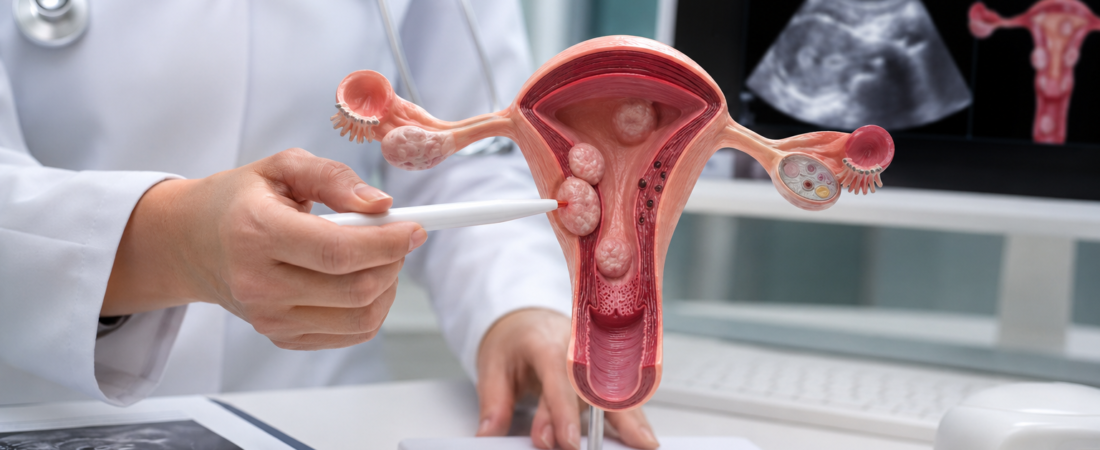
Fibroids and fertility depend on more than the diameter on a scan. Whether a fibroid distorts the uterine cavity is especially relevant, alongside symptoms, number and treatment history. Surgery may help in selected circumstances, but removing every fibroid is not a universal route to pregnancy.
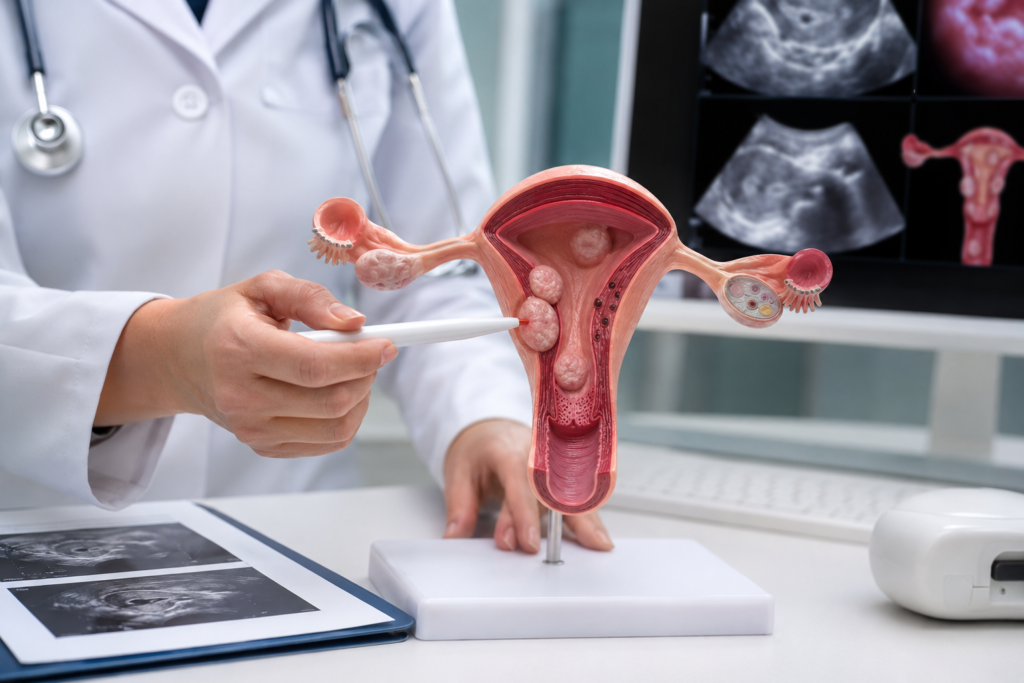
A fibroid on ultrasound often raises an immediate question: does it need to come out before pregnancy? The answer depends on more than diameter.
The Location Factor: The 10cm vs. 2cm Dilemma
The modern clinical question is no longer “How large is the fibroid?” but rather “Where is it located, and what is it affecting?”
Size alone does not settle the question
Location, cavity distortion, symptoms, diagnostic confidence and the proposed fertility treatment all matter. Large or atypical masses require individual evaluation.
Cavity distortion is particularly relevant to fertility decisions, but it is not the only reason to consider treatment. Symptoms, access for fertility procedures and other clinical factors may also matter.
This approach serves two critical purposes:
- Preservation of Uterine Integrity: Aggressive surgery can lead to scarring and structural weakening of the uterine wall, which can complicate future pregnancies.
- Patient-Centric Outcomes: The goal of modern treatment is to preserve the uterus and its function, prioritizing the patient’s long-term reproductive health and quality of life over the immediate removal of benign tissue.
Evolution of Therapeutic Options
The treatment landscape has moved beyond the binary choice of observation or hysterectomy:
- Myomectomy: Route and potential benefits depend on location and clinical goals; surgical and adhesion risks also matter.
- Other procedures: UAE, radiofrequency ablation and focused ultrasound have differing evidence and implications for future pregnancy. They should not be described as leaving reproductive function untouched.
- Medication: Some medicines can control symptoms or reduce fibroid size temporarily. Duration, adverse effects and pregnancy plans must be considered; they are not universal fertility treatments.
Fibroids are benign tumors, but a presumed diagnosis should still be evaluated appropriately when findings are unusual. Decisions balance symptoms, fertility goals and the risks of intervention.
- Anemia caused by excessive menstrual bleeding.
- Persistent, debilitating chronic pain.
- Documented interference with embryo implantation or pregnancy maintenance.
Conclusion: The Future of Fibroid Care
The age of “immediate surgery upon discovery” is coming to a close. We are entering an era of refined, patient-centered care. For women diagnosed with fibroids, the current standard of care dictates a nuanced conversation: Is this fibroid harming your quality of life? Is it obstructing your chance at motherhood?
Match the intervention to the goal
Ask whether the fibroid is likely to affect the cavity or symptoms and what reproductive evidence supports the proposed procedure. Treatment does not ensure pregnancy.
Disclaimer: This report is for informational purposes. Clinical decisions regarding uterine fibroids must be made through a comprehensive consultation with a gynecologist or reproductive endocrinologist, based on the patient’s individual anatomical findings and reproductive goals.
Location changes the evidence
Fertility counseling distinguishes cavity-distorting from other fibroids and weighs the benefits and risks of intervention. ASRM myoma guideline (2017).