
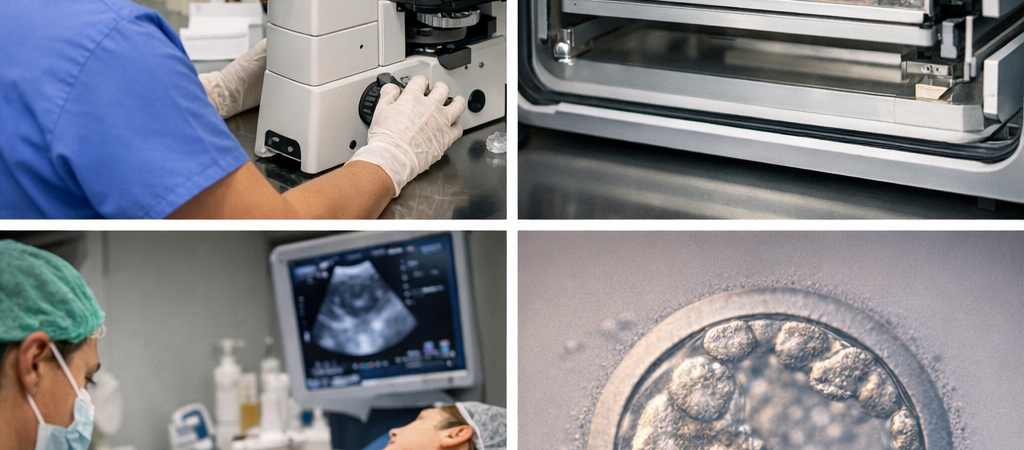
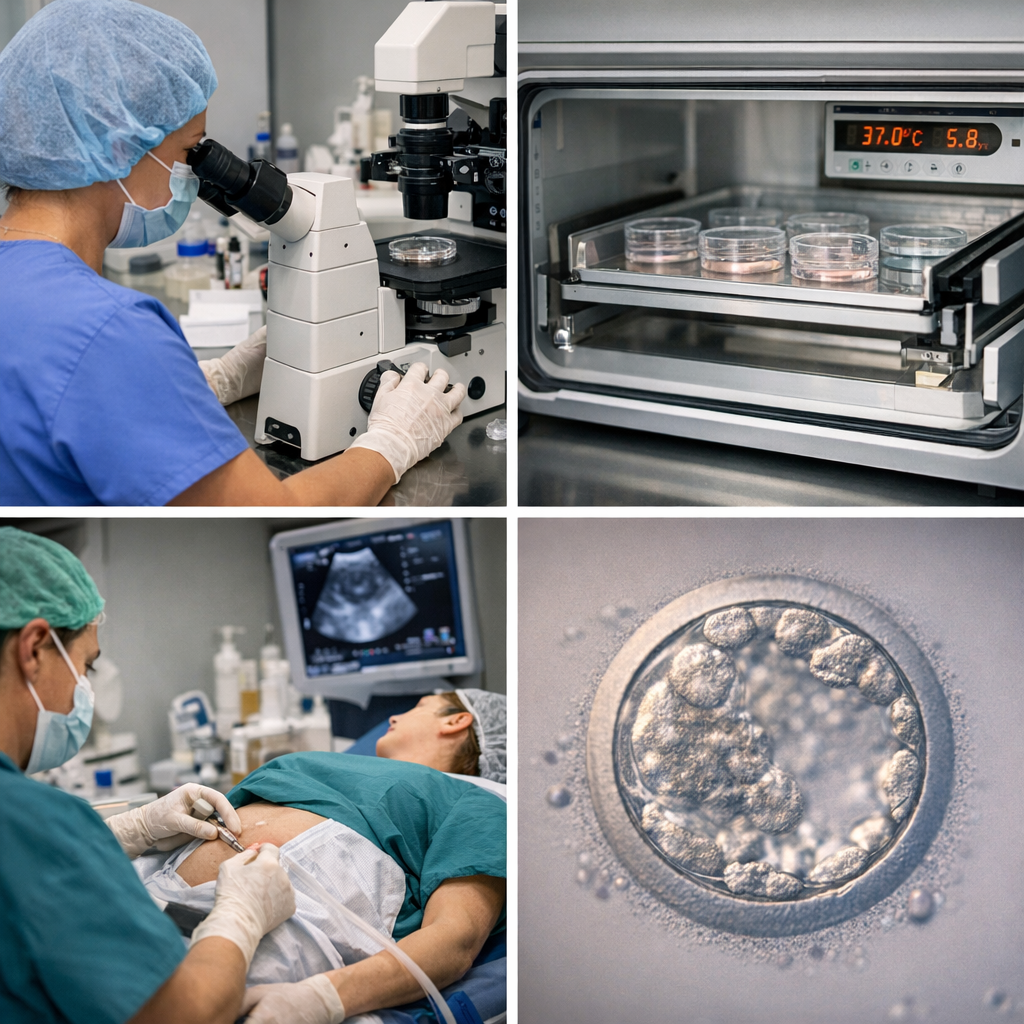
Across the globe, In Vitro Fertilization (IVF) is rapidly becoming a routine medical practice. In some nations, a significant portion of all births now result from Assisted Reproductive Technology (ART). For instance, in France, approximately 3.7% of all infants are born via ART. On the surface, it appears that IVF has transcended its status as a mere medical procedure and has been integrated into the very fabric of our social structure.
However, beneath this widespread adoption lies an uncomfortable statistic: the live birth rate per embryo transfer remains stagnant, hovering between 11% and 28%. In simple terms, while the number of procedures has surged, the probability of achieving a pregnancy with a single attempt has remained virtually unchanged. Technology has proliferated, but the outcomes remain limited.
This gap forces us to reconsider the fundamental nature of IVF. We often perceive IVF as a “technological solution for pregnancy,” but in reality, it is more akin to a high-stakes game of probability played against a complex backdrop of biological variables. Egg quality, sperm DNA integrity, chromosomal stability of the embryo, and endometrial receptivity—none of these can be fully controlled. Ultimately, precision in the laboratory does not necessarily equate to certainty in pregnancy.
Over the past few years, the IVF field has seen rapid advancements in “selection technology”—from preimplantation genetic screening and time-lapse imaging (TLI) to AI-driven embryo analysis. Yet, it is difficult to conclude that these advancements have dramatically spiked live birth rates. While our ability to select embryos has become more sophisticated, the inherent limitations of human reproductive biology remain.
This leads us to a critical question: Should we view IVF as a technology that guarantees success, or one that manages cumulative probability? Current data suggests the latter.
IVF is not a one-time “fix”; it is a technology predicated on repetition.
Through the lens of a fertility specialist journalist, this is the most sobering reality of our field. IVF is undoubtedly an innovation that has enabled countless couples to become parents. At the same time, it is too complex and uncertain to be reduced to the simplistic message that “you can do it if you try.”
Current IVF is not a “technology of certainty”—it is a “technology of repeating possibilities.” Recognizing this reality—that success is often found through the accumulation of attempts rather than a single intervention—might be the most honest starting point for any fertility journey.
Disclaimer: This content is provided for informational purposes, based on reporting on infertility and various public data. Medical judgments and treatment decisions must always be made in consultation with professional medical personnel. Image: AI-generated (ChatGPT, OpenAI) / Visual reference for illustrative purposes only.