
To qualify for health insurance benefits and government financial support for In Vitro Fertilization (IVF) procedures, undergoing a hysterosalpingography (HSG) to evaluate fallopian tube patency is practically an essential diagnostic step
An HSG is a specialized radiographic assessment utilized to identify underlying causes of infertility. During the procedure, a contrast medium is introduced into the uterine cavity via the cervix while an X-ray captures real-time images. This allows clinicians to assess whether the fallopian tubes are open, evaluate their overall architecture, and check their operational baseline. Beyond tracking the fallopian tubes, this test can pinpoint structural abnormalities within the uterus itself.
The mechanism is straightforward. A liquid contrast dye is infused through the cervical opening. As the fluid fills the uterine cavity, it cascades upward into the fallopian tubes on both sides before spilling naturally into the pelvic cavity. If the contrast medium is seen passing clearly as a bright white path on the X-ray screen, it indicates that the tubes are not occluded.
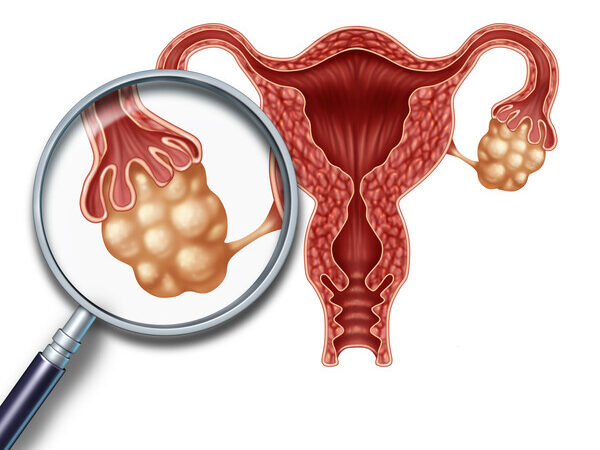
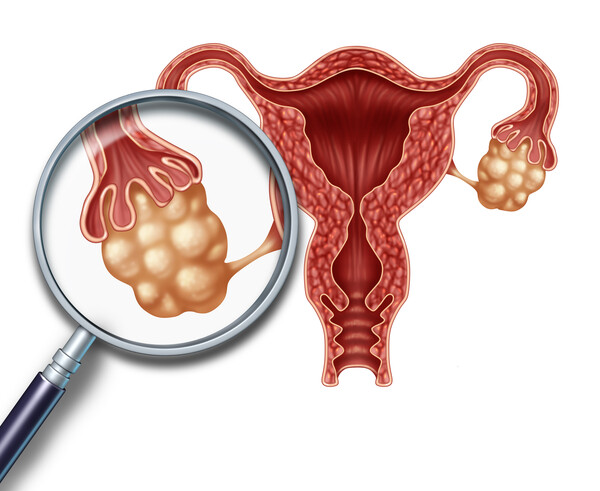
The definitive reason fertility clinics prioritize an HSG is due to the critical role the fallopian tubes play in human reproduction. These tubes are structures measuring approximately 12 cm that extend from the upper corners of the uterus. They serve as the literal site where fertilization occurs and where a newly formed embryo undergoes its earliest stages of cellular development.
When an oocyte is released from the ovary during ovulation, the specialized fringes of the fallopian tube sweep the egg inside, where it waits for incoming sperm. If the fallopian tubes are blocked or anatomically compromised by conditions like a hydrosalpinx, the egg and sperm cannot physically connect. Simply put, the fallopian tube is the mandatory meeting place for conception; if this pathway is blocked, the meeting is rendered impossible.
Furthermore, the fallopian tube aids the fertilized egg as it divides and migrates toward the uterus. Even if fertilization is achieved, if the tube fails to transport the embryo down into the uterine cavity at the precise biological window, implantation will fail.
Ultimately, if both fallopian tubes are completely occluded, natural conception and Intrauterine Insemination become clinically unviable strategies. In such scenarios, proceeding directly to advanced assisted reproductive technologies like IVF becomes the necessary path forward.
Among fertility patients, an HSG is notorious for causing physical discomfort, making it a test that many approach with considerable anxiety. However, individual thresholds for pain vary significantly. If the fallopian tubes are entirely clear, the entire procedure can be completed within three to five minutes with minimal to no discomfort. Conversely, if the tubes are structurally blocked or severely tortuous, patients may experience significant cramping.
Interestingly, if the fallopian tubes are only mildly occluded, the fluid pressure of the contrast medium being pushed through the uterus can sometimes clear minor blockages or debris. Because of this therapeutic flushing effect, it is not uncommon for patients to achieve a successful natural pregnancy shortly after undergoing an HSG.
In terms of clinical pricing, a standard X-ray based HSG typically ranges between 40,000 and 50,000 KRW. However, if the clinic utilizes an advanced ultrasound-based contrast method instead, the total cost can increase into the 200,000 KRW range.