
When attempting to conceive naturally, tracking your ovulation window is the crucial first step. Once an egg is ovulated, it waits for a sperm cell for as short as 10 hours and no longer than 24 hours. Pinpointing this exquisite, fleeting window of synchronization can immensely boost your chances of pregnancy success.
While information about ovulation dates is ubiquitous online, standard generalized calculations often do not align with an individual’s unique biological rhythm. Let us explore how to effectively track your personal optimal conception days.
Even with a standard 28-day menstrual cycle, ovulation frequently does not occur exactly on day 14. Furthermore, the precise timing can fluctuate from month to month based on your physical and emotional condition.
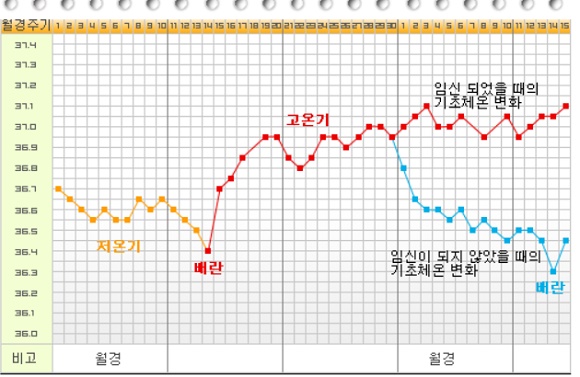
As a baseline reminder, relying solely on tracking basal body temperature (BBT) or utilizing automated period-tracking smartphone apps to estimate your ovulation date is surprisingly inaccurate.
First, let us examine the Basal Body Temperature (BBT) tracking method. A woman’s core body temperature drops slightly a day before or on the exact day of ovulation. Statistically, the highest probability window for conception spans across the six days leading up to the moment that temperature rises.
Once ovulation is complete, the subsequent secretion of progesterone causes the basal body temperature to elevate. Consequently, trying to time intercourse after noticing a temperature spike often results in failure—by the time your body temperature goes up, ovulation has already passed.
Second, you can effectively predict ovulation by observing changes in your cervical mucus (vaginal discharge). Normally, to shield the uterus from external pathogens, thick and sticky mucus seals the cervix. However, as the ovulation phase approaches, rising estrogen levels prompt this mucus to become thin and watery.
During this peak phase, the discharge resembles raw egg whites—clear, watery, yet highly stretchable—leaving the vulva noticeably moist. Consider this biological shift as the introductory overture signaling that ovulation is imminent. Following ovulation, increased progesterone levels will cause the vaginal environment to become relatively dry again.
If your menstrual cycle falls within a normal range (28 to 35 days), you should utilize these cervical mucus changes as a primary indicator to begin using ovulation predictor kits (OPKs). Alternatively, visiting a fertility clinic at this stage for an ultrasound evaluation offers a highly accurate and seamless way to track the progression.
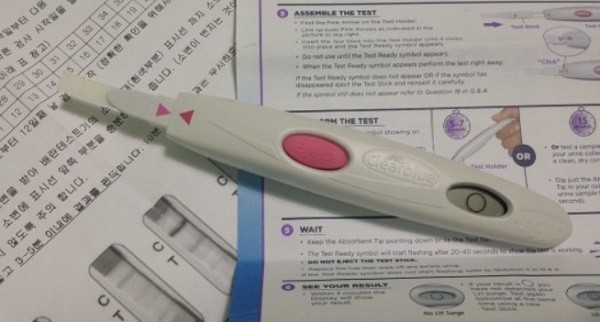
Ovulation predictor kits work by detecting a sharp surge in Luteinizing Hormone (LH), which peaks roughly 24 to 48 hours before the egg is released.
When an OPK delivers a positive result, it acts as a biological alarm sounding that your body is fully prepared to ovulate.
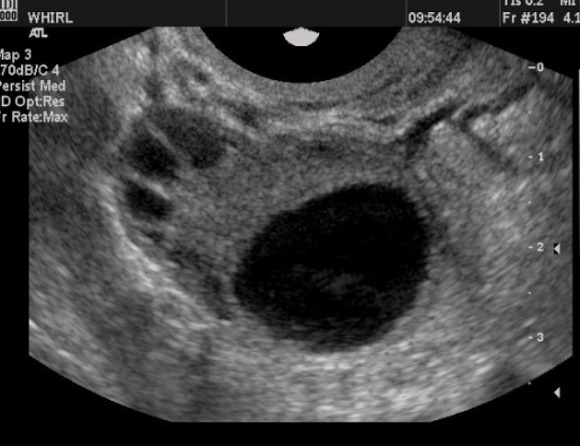
Nevertheless, the single most accurate method remains undergoing a transvaginal ultrasound at a fertility clinic. An ultrasound evaluation allows clinicians to identify the exact D-day of ovulation by directly measuring follicle size, evaluating endometrial lining thickness, and observing the structural shape of the uterine environment.
Therefore, once your self-checks reveal that clear, egg-white cervical mucus has begun, it is highly advantageous to schedule an ultrasound evaluation.
As a crucial piece of advice, even if your current goal is simply tracking ovulation accurately, it is highly recommended to consult a specialized fertility physician rather than a general gynecologist.
Fertility clinics are not exclusively reserved for couples who face absolute biological barriers to conception. Achieving a healthy pregnancy is deeply bound by a reproductive time clock; thus, it is incredibly wise to seek advanced specialist guidance while you are as young as possible to optimize your timeline.
For instance, patients dealing with Polycystic Ovary Syndrome (PCOS), where menstrual cycles become highly prolonged and unpredictable, should avoid draining daily energy on manual baseline temperature tracking. Instead, closely monitor your cervical mucus, and use the appearance of that characteristic watery discharge as your cue to begin clinical tracking with a specialist.