
The Secret Was Not the Sea, But the ‘Mediterranean Diet’
“A fisherman’s wife gets pregnant more easily than a mountain dweller’s wife.”
Is this old saying actually true?
While no formal studies have proven this exact adage, reproductive medicine specialists are paying close attention to the “difference in the dining table” hidden within it. A growing body of research consistently demonstrates that a diet centered on fish, olive oil, vegetables, and fruit—traditionally enjoyed by populations living close to the sea—can positively impact female reproductive health.
Recently, interest has surged within the field of fertility treatment as successive studies suggest that the Mediterranean diet can enhance oocyte (egg) quality, reduce chronic inflammation, and even boost In Vitro Fertilization (IVF) success rates.
The Impact of Chronic Inflammation on Reproductive Health
One of the most critical keywords in modern reproductive medicine is “chronic inflammation.”
Unlike acute inflammation, which temporarily arises to eliminate bacteria, chronic inflammation refers to a state where a low grade of inflammation persists in the body over a long period, driven by factors such as obesity, overeating, consumption of ultra-processed foods, sleep deprivation, and stress.
In this state, reactive oxygen species (free radicals) increase, potentially degrading the microenvironment of the ovaries and uterus, accelerating egg aging, and negatively affecting ovulation and the implantation environment, according to experts.
The Mediterranean diet attracts attention because of its strong potential to help mitigate this chronic inflammation.
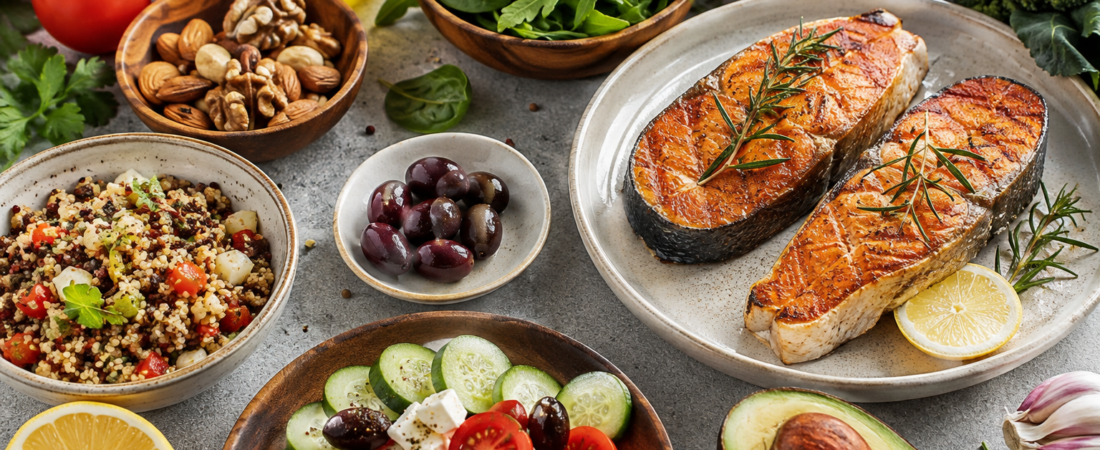
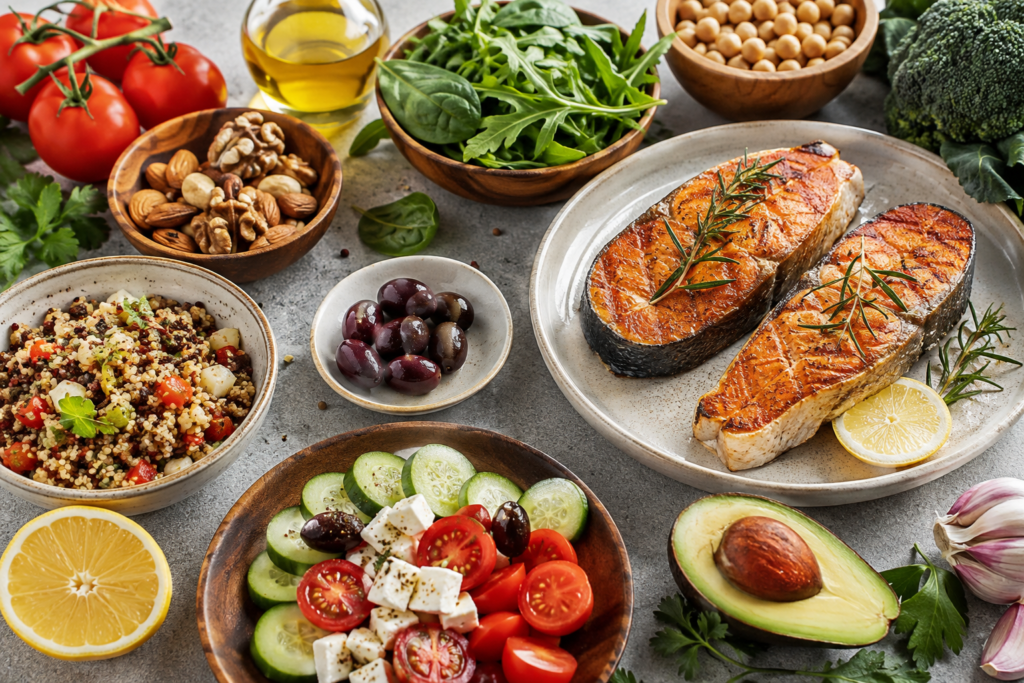
Long practiced in countries along the Mediterranean coast, this dietary pattern features abundant consumption of fish, olive oil, nuts, legumes, whole grains, vegetables, and fruits, alongside minimal intake of red meat and ultra-processed foods.
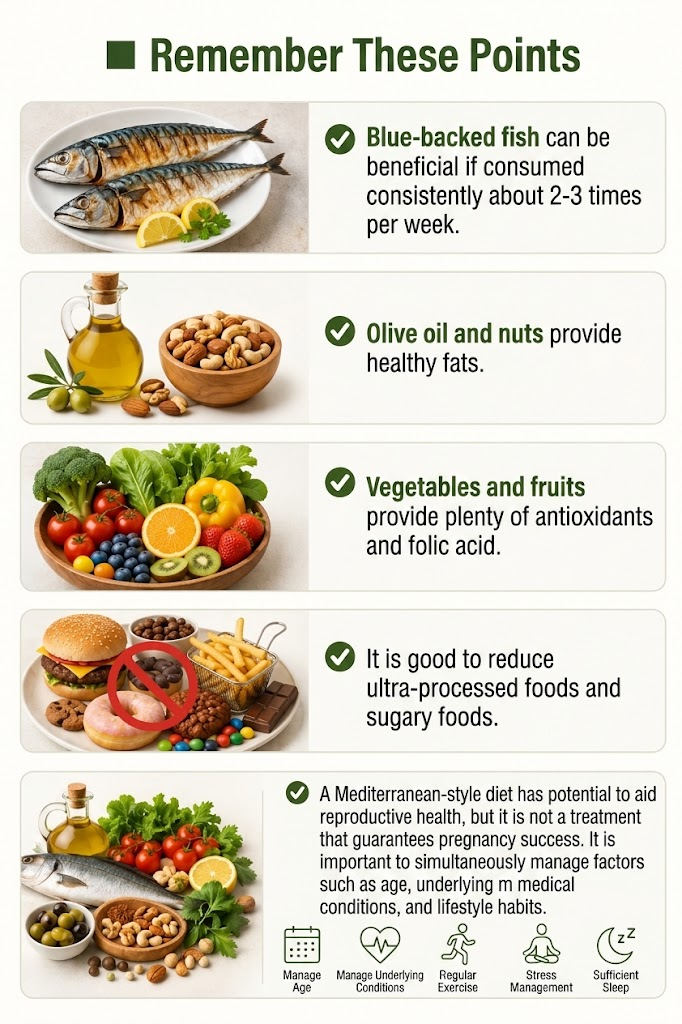
In particular, omega-3 fatty acids (EPA and DHA) found in fatty fish like mackerel, sardines, and salmon play a vital role in modulating inflammatory responses and maintaining healthy cell membranes.
Protecting Special Cells with Antioxidants
Eggs are exceptionally unique cells created during the fetal stage that are preserved in the woman’s body for decades. Consequently, they are inevitably vulnerable to the impacts of oxidative stress and inflammation.
Omega-3s and various antioxidant nutrients are suggested to help protect egg cell membranes and reduce cellular damage, while the monounsaturated fatty acids and polyphenols abundant in olive oil are known to improve vascular function and lower inflammation, thereby enhancing blood flow to the uterus and ovaries.
Additionally, vitamins C and E, folate, carotenoids, and polyphenols found in vegetables and fruit act as antioxidants that reduce free radicals and protect reproductive cells.
Actual research findings support these possibilities.
Multiple studies conducted in Spain, Greece, and elsewhere have shown that women who closely follow a Mediterranean diet tend to have a higher likelihood of achieving clinical pregnancy and live births during IVF compared to those who do not.
Some studies indicate that this correlation is particularly pronounced in women aged 35 and younger, and research has also reported that men who consistently maintain a Mediterranean diet can improve sperm motility and quality.
Balancing Diet and Lifestyle
Of course, the Mediterranean diet is not a cure-all. Not all studies yield identical results, and various variables—such as a woman’s age, body mass index (BMI), smoking status, exercise habits, underlying medical conditions, and genetic factors—interact simultaneously.
Fertility specialists explain that no single food determines pregnancy; rather, a healthy dietary pattern improves the body’s overall metabolism, hormones, and immune environment, which in turn likely exerts a positive influence on reproductive health.
Ultimately, the core of the saying “a fisherman’s wife conceives more easily than a mountain dweller’s wife” may lie on the dining table rather than the ocean. Living in the mountains does not put one at a disadvantage for pregnancy. In fact, clean air, regular physical activity, adequate sleep, and low stress are elements that support reproductive health.
What matters is not the geographic location, but the food choices made every day. A healthy diet centered on fish, vegetables, fruits, nuts, and whole grains can positively affect the reproductive and systemic health of both women preparing for pregnancy and their male partners.
※ This article was synthesized referencing research on the Mediterranean diet and fertility published in international journals such as Human Reproduction, Fertility and Sterility, and The American Journal of Clinical Nutrition, as well as public materials from the European Society of Human Reproduction and Embryology (ESHRE) and the American Society for Reproductive Medicine (ASRM). It does not replace a specific individual’s diagnosis or treatment, and actual medical judgment must be made through consultation with a specialist.
※ Images: Created using generative AI (ChatGPT, OpenAI); depicts fictional individuals, not real people.