
The Real Culprit Was Not Fruit, But ‘Pesticides’
Among infertile women preparing for In Vitro Fertilization (IVF), myths surrounding food are exceptionally common. From claims that you must cut out coffee to stories that eating cold foods prevents implantation, various information floats around the internet. Recently, the saying “eating too much fruit makes pregnancy difficult” has also made frequent appearances.
Is it actually true?
To cut straight to the conclusion, based on current medical evidence, there is no proof that consuming fruit itself reduces pregnancy rates. In fact, multiple studies suggest that appropriate fruit and vegetable intake may help in preparing for a healthy pregnancy. However, there is one noteworthy study to consider: the issue wasn’t the fruit, but the residual pesticides left on them.
The most well-known study is a paper published in 2018 in the international journal JAMA Internal Medicine by a research team at Harvard University in the United States.
The researchers analyzed the dietary habits and pregnancy outcomes of 325 women who underwent IVF. The results showed that women who consumed the highest amounts of fruits and vegetables with high pesticide residue had a clinical pregnancy rate about 18% lower and a live birth rate about 26% lower than those who consumed the least. On the other hand, the intake of fruits and vegetables with low pesticide residue showed no association with a decrease in pregnancy and birth success rates. The research team interpreted that “the problem is likely not the fruits and vegetables themselves, but the pesticides exposed through food.”
It is an overinterpretation to conclude from this study that “eating too much fruit prevents pregnancy.”
The study was an observational study analyzing correlations rather than proving direct cause and effect. Various variables, such as lifestyle choices, environmental exposures, and food selection, could have influenced the outcomes. The researchers also stated that additional research is necessary.
In fact, other studies analyzing fruit consumption itself have yielded the opposite results.
A large-scale study conducted in Australia involving over 5,600 women found that women who consumed fruit three or more times a day took a shorter time to achieve pregnancy than those who rarely ate fruit.
Conversely, women who frequently consumed fast food experienced a longer duration before pregnancy. The researchers explained that fresh fruit intake may be part of a healthy dietary habit that increases the likelihood of natural conception.
How to Properly Consume Fruit
Experts emphasize that rather than avoiding fruit, women preparing for fertility treatments should focus on consuming it correctly.
It is best to wash fruit thoroughly, consume a variety of seasonal options when possible, and choose whole fruits rich in dietary fiber over fruit juices.
Particularly for produce with a higher likelihood of pesticide residue—such as strawberries, spinach, and apples—thorough washing or opting for organic products when necessary can be a viable strategy. However, there is still insufficient evidence that organic foods definitively increase pregnancy success rates.
The Bigger Picture: Balanced Nutrition
What matters even more in fertility treatments is not any single specific food.
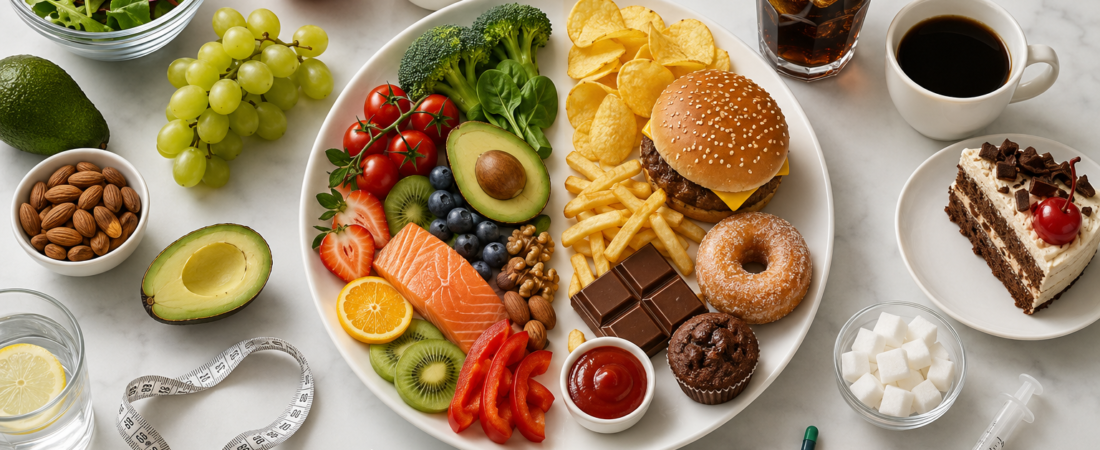
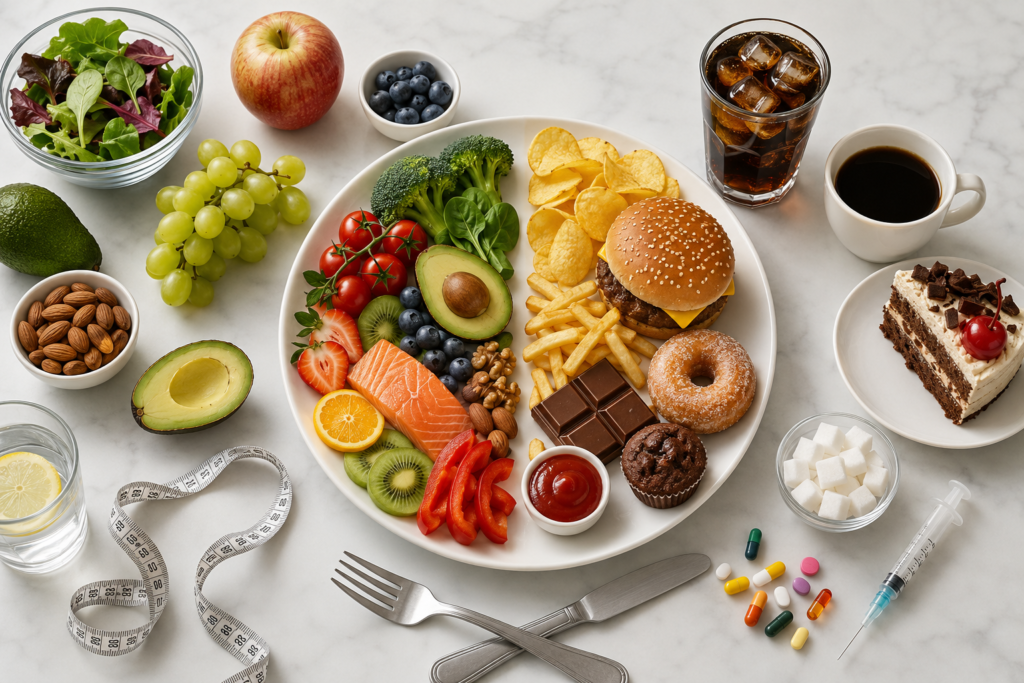
Recent reproductive medicine research indicates that balanced dietary patterns—such as the Mediterranean diet, which incorporates fruits, vegetables, whole grains, fish, nuts, and olive oil—may positively influence overall reproductive health.
Conversely, studies consistently report that dietary habits heavily reliant on ultra-processed foods, fast food, and sugary beverages can be unfavorable to reproductive health.
What infertile women should guard against most are fragmentary myths circulating online. The claim that “eating too much fruit prevents pregnancy” is far from current medical evidence.
Rather, consuming fresh fruit appropriately within a balanced diet aids in preparing for a healthy pregnancy, according to existing research. The real message delivered by these studies is that fruit is not the problem; rather, we need to look together at pesticide exposure and our overall dietary habits, which we might otherwise overlook.
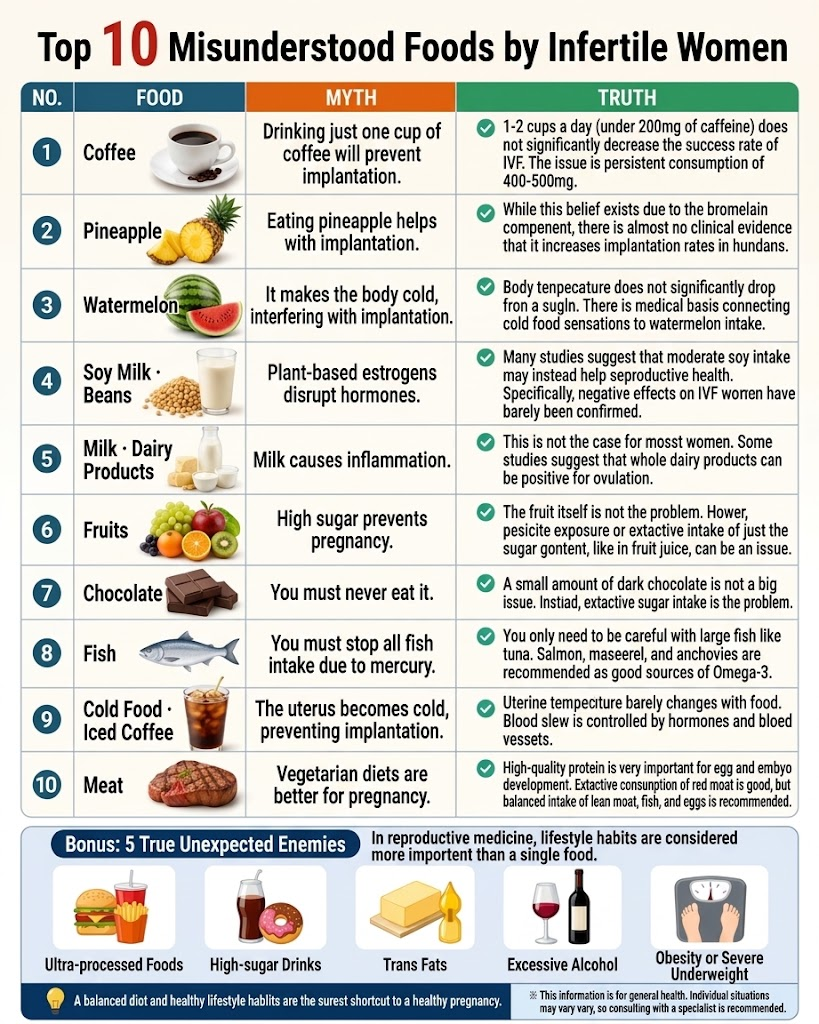
※ This article was written based on recent research and recommendations from international journals such as JAMA Internal Medicine, the American Society for Reproductive Medicine (ASRM), and the European Society of Human Reproduction and Embryology (ESHRE). It does not replace a specific individual’s diagnosis or treatment, and actual medical judgment must be made through consultation with a specialist.
※ Images: Created using generative AI (ChatGPT, OpenAI); depicts fictional individuals, not real people.