
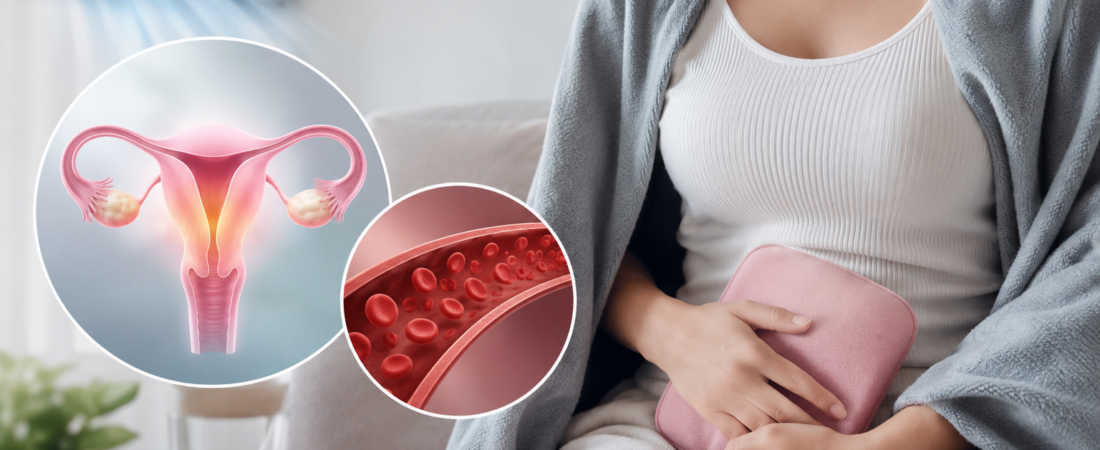
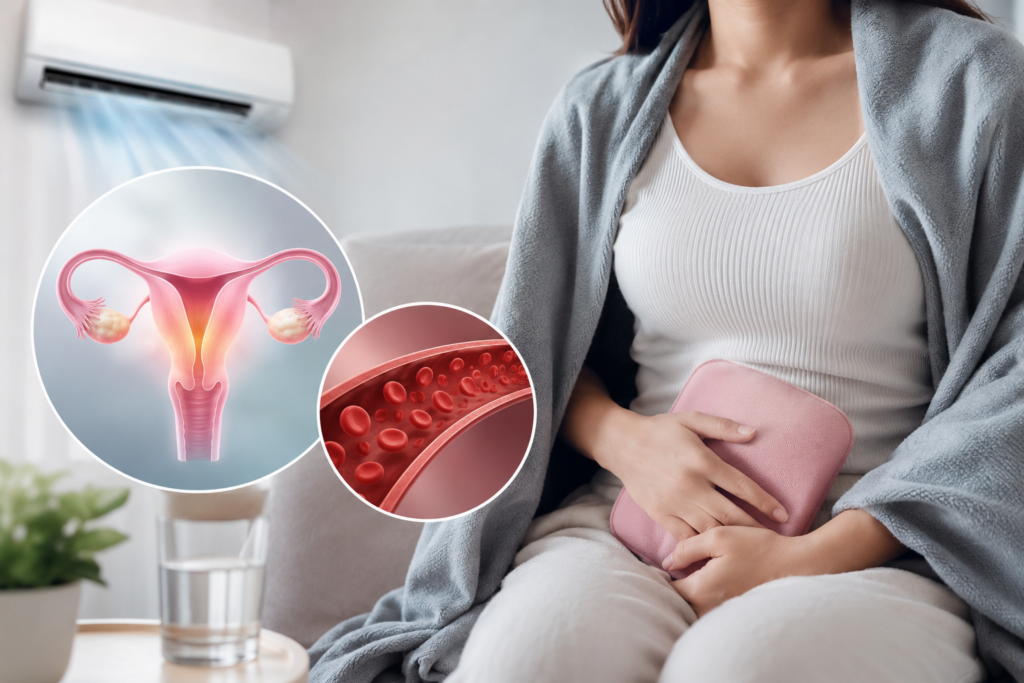
The AC Was Not the Culprit Lowering Implantation Rates Pregnancy Success Depends on the Status of the Embryo and Uterus
Every midsummer, fertility clinics and online communities are flooded with similar questions:
“Does staying in the air conditioning for too long make the uterus cold?” “Should I turn off the AC after embryo transfer?” “Does keeping the lower abdomen warm improve implantation success?”
For women preparing for In Vitro Fertilization (IVF) or those who have just undergone an embryo transfer, air conditioning becomes yet another source of anxiety. In reality, quite a few women wrap themselves in blankets even in the dead of summer, place hot packs on their abdomens, or avoid using AC altogether.
However, the bottom line is that, based on current medical evidence, there is no proof that air conditioning airflow cools down the uterus and lowers implantation rates.
The Uterus Is Not Directly Exposed to the Environment
The uterus in our bodies is not an organ located just beneath the skin. It sits deep within the pelvis, protected by layers of skin, fat, abdominal muscle, and the peritoneum. Furthermore, the human body has a thermoregulatory function designed to maintain a constant core body temperature of around 36.5 to 37°C (97.7 to 98.6°F).
While exposure to AC draft can cool the surface of the skin, there are no reported research findings showing that the actual temperature of the uterus drops meaningfully. Indeed, studies analyzing the success rates of IVF or embryo transfer have found no evidence that air-conditioned environments or AC use reduce implantation rates.
Where Did the Myth of a “Cold Uterus” Come From?
Why do so many people come to believe that they “must keep the uterus warm”?
This is because the concept of a “cold uterus” in traditional Eastern medicine differs from modern medical concepts. Eastern medicine views cold hands and feet and a cold lower abdomen as an imbalance in the body, often recommending thermal therapies.
However, the uterus in modern medicine is not an organ whose actual temperature decreases. The sensation of feeling cold is usually an expression of reduced blood circulation, stress, or peripheral vasoconstriction. In other words, feeling cold in your belly does not mean the uterus itself has physically cooled down.
Of course, air conditioning does not have zero effect on the body.
If you are exposed to a strong cooling environment for a long time, peripheral blood vessels constrict to maintain body temperature, causing cold hands and feet, muscle tension, shoulder stiffness, and fatigue. This is what commonly gets called “ACitis” (air conditioning sickness). However, there is still no medical evidence that these physiological shifts reduce uterine blood flow or hinder implantation.
Living in an excessively hot environment can actually be more problematic. Sweltering heat easily triggers dehydration and fatigue, and by disrupting restful sleep, it degrades overall physical condition. In fertility treatment, this systemic condition is also a critical factor. Rather than enduring a discomfortingly hot environment, maintaining moderate air conditioning can actually help reduce bodily stress.
The Real Core of Implantation Success
The core determinants of implantation success are not air conditioning, but the condition of the endometrium and the quality of the embryo.
These work in combination with a woman’s age, presence of chromosomal abnormalities, hormone balance, uterine conditions like fibroids or polyps, blood flow status, and chronic diseases. There is no evidence that turning on the AC causes implantation to fail, nor is there evidence that keeping the abdomen continuously warm increases implantation rates.
Experts emphasize that maintaining normal daily routines even after embryo transfer is most important. Keeping indoor temperatures around 24–26°C (75–79°F) and ensuring that direct AC drafts do not blow onto the abdomen for extended periods is more than enough.
If your hands and feet feel cold, using a thin blanket or cardigan can help, but there is no need to artificially elevate your body temperature by leaving a hot heating pad on your abdomen for long periods. Doing so only increases the risk of low-temperature burns.
Conclusion
Women undergoing fertility treatment often try to link every small action to success or failure. However, what modern medicine tells us about the core of implantation is not “making the uterus warm,” but maintaining a healthy endometrium, good embryos, and a stable hormonal environment.
Rather than blindly avoiding summer air conditioning, maintaining a comfortable indoor environment alongside adequate sleep, a balanced diet, proper exercise, and stress management is far more important for fertility treatments.
Keeping your overall physical condition stable rather than worrying about whether the AC will disrupt implantation is the path that brings you one step closer to a successful pregnancy.
※ This article was written based on fertility treatment guidelines from the Korean Society for Fertility and Sterility, the American Society for Reproductive Medicine (ASRM), and the European Society of Human Reproduction and Embryology (ESHRE), alongside medical research on thermoregulation. It does not replace a specific individual’s diagnosis or treatment, and actual medical judgment must be made through consultation with a specialist.
※ Images: Created using generative AI (ChatGPT, OpenAI); depicts fictional individuals, not real people.