
Working Women and the Increasing Choice of Artificial Cycles for FET Wait for Ovulation or Set the Date?
One of the most frequently asked questions by infertile women preparing for In Vitro Fertilization (IVF) is:
“For frozen embryo transfer (FET), is a natural cycle or an artificial cycle better?”
The answer is surprisingly simple: There is no ‘better method.’ There is only the method that best fits the patient’s physical condition and lifestyle.
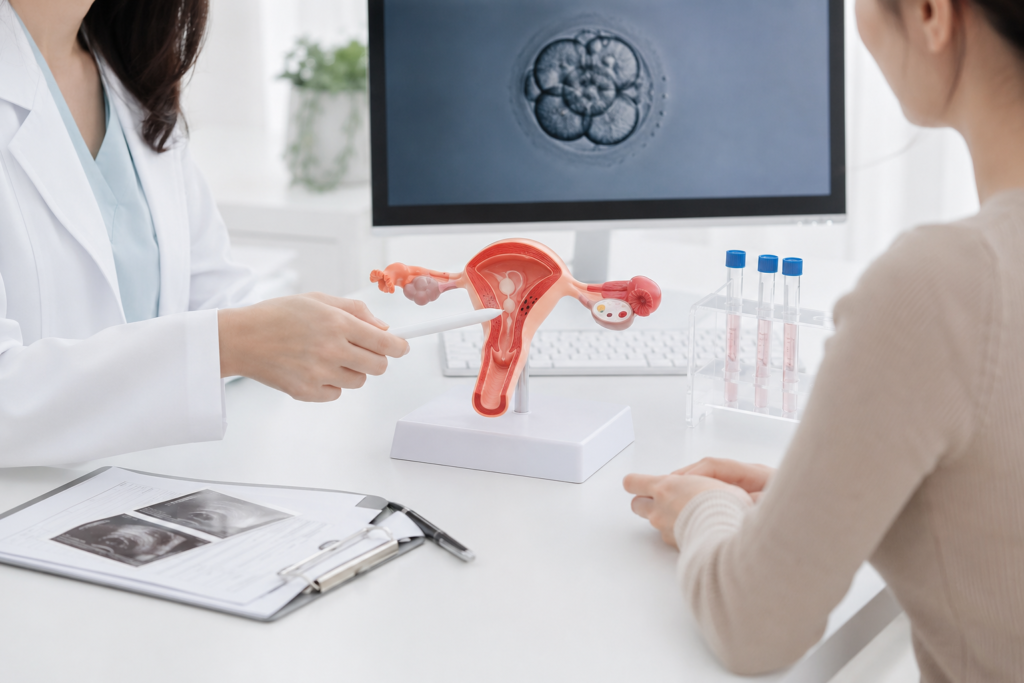
In infertility treatment, Frozen Embryo Transfer (FET) is the process of transferring embryos that have already been fertilized and cryopreserved into the uterus. Because it does not require repeated superovulation injections or egg retrieval, the physical burden is significantly lower. The key is to precisely match the embryo’s developmental stage with the state of the uterus.
For instance, if it is a 5-day cultured blastocyst, the uterus must be in an environment corresponding to the 5th day post-fertilization for the highest probability of implantation. Ultimately, FET is a treatment that aligns the ‘time of the embryo’ with the ‘time of the uterus.’
Natural Cycle, Artificial Cycle, Modified Natural Cycle… The Difference is ‘Who Triggers Ovulation’
FET is broadly divided into three methods: natural cycle, artificial cycle, and modified natural cycle.
- Natural Cycle: The woman waits for her body to ovulate on its own and then performs the transfer at that point. From around 10–12 days into the menstrual cycle, follicular growth and ovulation must be checked multiple times through ultrasound and blood tests. Once ovulation is confirmed, the transfer is performed 3 to 5 days later, depending on the embryo’s developmental stage.
- Disadvantage: Because ovulation is the primary benchmark, missing the timing or failing to ovulate naturally can result in the cancellation of that cycle. The need for frequent hospital visits is another drawback.
- Artificial Cycle: This does not wait for natural ovulation. From the 2nd or 3rd day of the period, the patient takes estrogen to thicken the endometrium, and at a certain point, progesterone is started to artificially create the same hormonal environment as post-ovulation. The transfer is then performed on a planned date according to the embryo’s developmental stage.
- Modified Natural Cycle: This is a hybrid of the two. An ovulation induction agent or injection is used to assist ovulation slightly, and once actual ovulation is confirmed, the transfer is scheduled similarly to the natural cycle.
Ultimately, the difference between these three methods is simple: Whether you leave ovulation to nature, replace it with medication, or provide a little assistance with medication.
Why Artificial Cycles are Realistic for Working Women
Recently, fertility specialists consider not only success rates but also the patient’s lifestyle as a key criterion for selection. Working women, in particular, often choose the artificial cycle over the natural one.
In a natural cycle, the timing of ovulation varies by individual, which can lead to sudden, repeated hospital visits. Depending on ultrasound results, you may be asked to return the next day, and if ovulation happens faster or slower than expected, the schedule keeps changing.
In contrast, the artificial cycle uses hormones to plan the uterine environment, making the treatment schedule and transfer date relatively predictable. It is easier to schedule hospital appointments and plan vacation days, and it places less burden on patients traveling long distances. The artificial cycle is also frequently chosen for women with irregular ovulation, Polycystic Ovary Syndrome (PCOS), or those who consistently have late or unpredictable ovulation.
Natural cycles are not always better. Some patients hear that “natural cycles have higher success rates.” However, current research makes it difficult to conclude that one method is absolutely superior for all patients. Multiple factors—such as embryo quality, endometrial state, hormonal environment, age, and underlying conditions—work together.
No matter how good the embryo is, implantation is difficult if the uterus is not ready; conversely, even if the uterine state is good, it is difficult to lead to pregnancy if the embryo’s developmental potential is lacking. Ultimately, success depends on whether the two conditions—the embryo and the uterus—are ready at the same moment.
There are reasons why people prefer natural cycles. A natural cycle is a more physiological environment because the uterus prepares itself according to the patient’s own hormone secretion. The corpus luteum, formed in the ovary after ovulation, naturally secretes progesterone to maintain the endometrium in a state favorable for implantation. Many medical professionals also prefer this physiological process itself.
However, a natural cycle requires normal ovulation to occur, and managing the schedule can be difficult because the timing of ovulation must be confirmed accurately.
The Most Important Thing: ‘The Cycle That Fits Me’
Fertility specialists emphasize that one should not simply compare success rates when selecting a FET method. It requires a comprehensive consideration of menstrual regularity, ovulation status, endometrial state, past treatment experiences, distance to the hospital, and workplace schedules.
For women with regular ovulation who have the flexibility to visit the hospital, the natural cycle may be suitable. The modified natural cycle is seeing increased use as it maintains the advantages of the natural cycle while allowing for more precise control over the timing of ovulation.
Conversely, if ovulation is irregular or frequent hospital visits are difficult due to work, an artificial cycle may enhance treatment efficiency and convenience.
Ultimately, FET is not about which method is the ‘best’ in general, but about finding which method fits the patient’s body and lifestyle the best.
Whether to wait for ovulation, plan for it, or assist it slightly—that choice can vary for every patient, and the direction of treatment is most importantly decided through sufficient consultation with your fertility specialist.
※ This article was written to help general readers understand the topic based on clinical experience in obstetrics/gynecology and reproductive medicine, as well as the latest research data. It does not replace a specific individual’s diagnosis or treatment, and actual medical judgment must be made through consultation with a specialist.
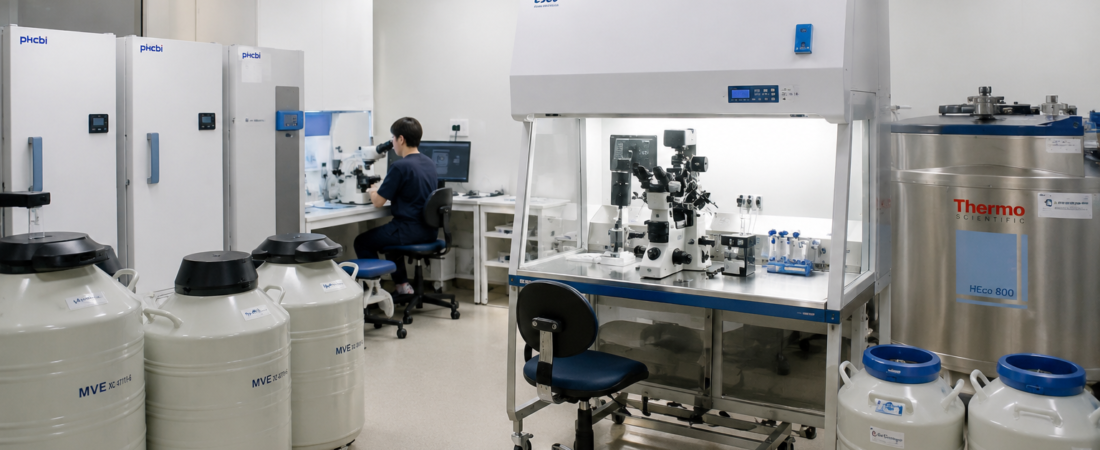
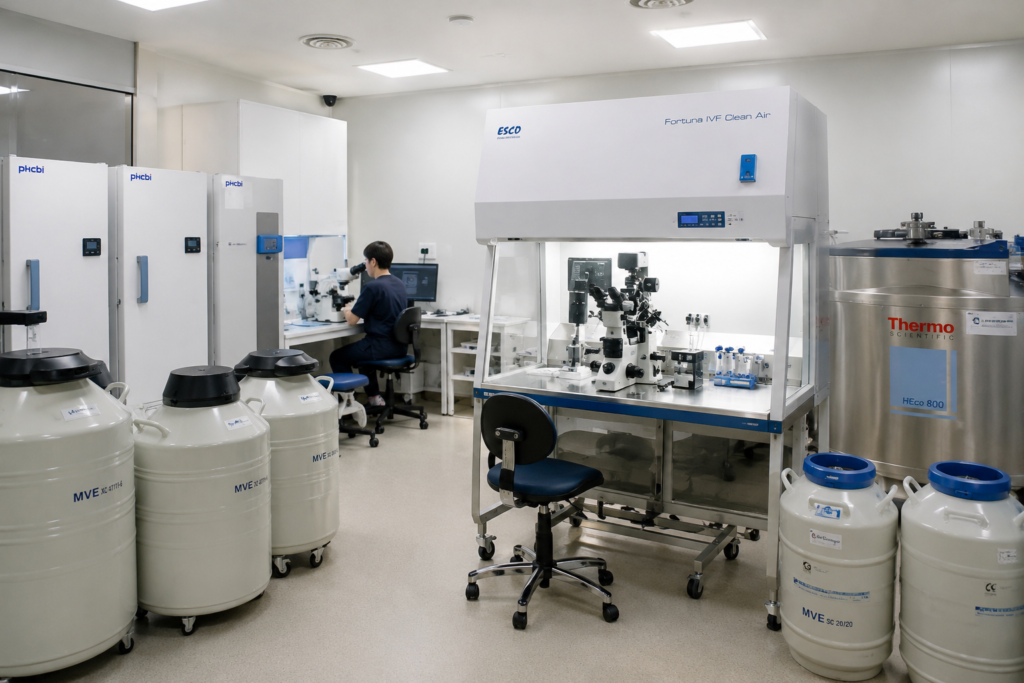
※ The image used in this article is a visual aid created using generative AI (ChatGPT, OpenAI) and does not depict a real person.