
You Cannot Create New Eggs, But You Can Help Reduce Oxidative Stress… Focus on Blueberries, Eggplants, Salmon, and Nuts
There is something common in the refrigerators of women preparing for pregnancy at an advanced maternal age: blueberries, pomegranates, nuts, and various supplements share the same space.
Especially among women diagnosed with diminished ovarian reserve or those preparing for IVF, “foods good for eggs” are a constant topic of conversation. So, can food really change the fate of an egg? To be blunt, there is no miracle food that makes an egg younger.
Medically, there is no food proven to reverse aging in eggs that have already aged, nor to increase the number of eggs. However, this does not mean a healthy diet is meaningless. Recent reproductive medicine research suggests that oxidative stress plays a significant role in the egg aging process, which has led to increased interest in antioxidant-rich foods.
Our bodies constantly produce free radicals during the process of living. If free radicals accumulate excessively, cell damage occurs, and eggs are no exception. As women age, the function of mitochondria—often called the energy powerhouses of the egg—declines, and the risk of chromosomal abnormalities increases.
Food experts recommend antioxidant-rich foods to older women not to create new eggs, but to help the existing ones function in a better environment.
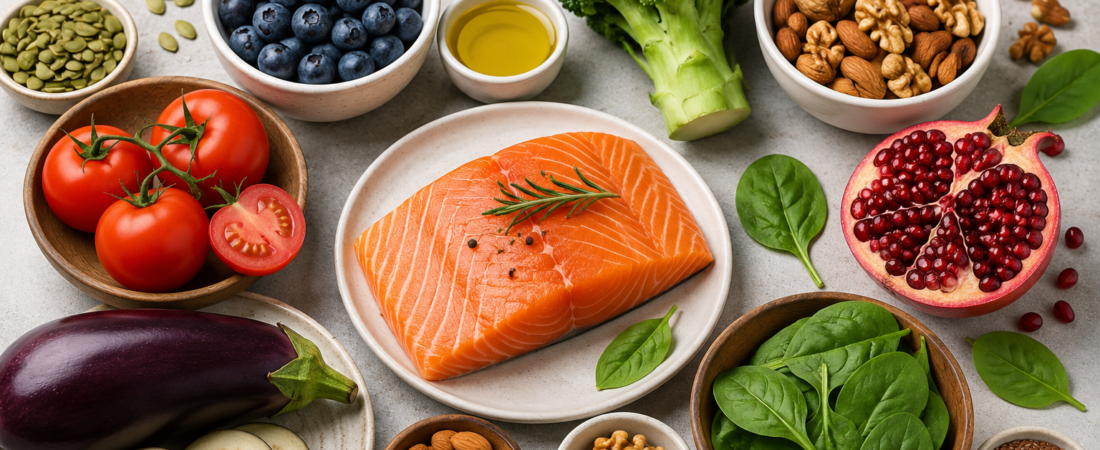
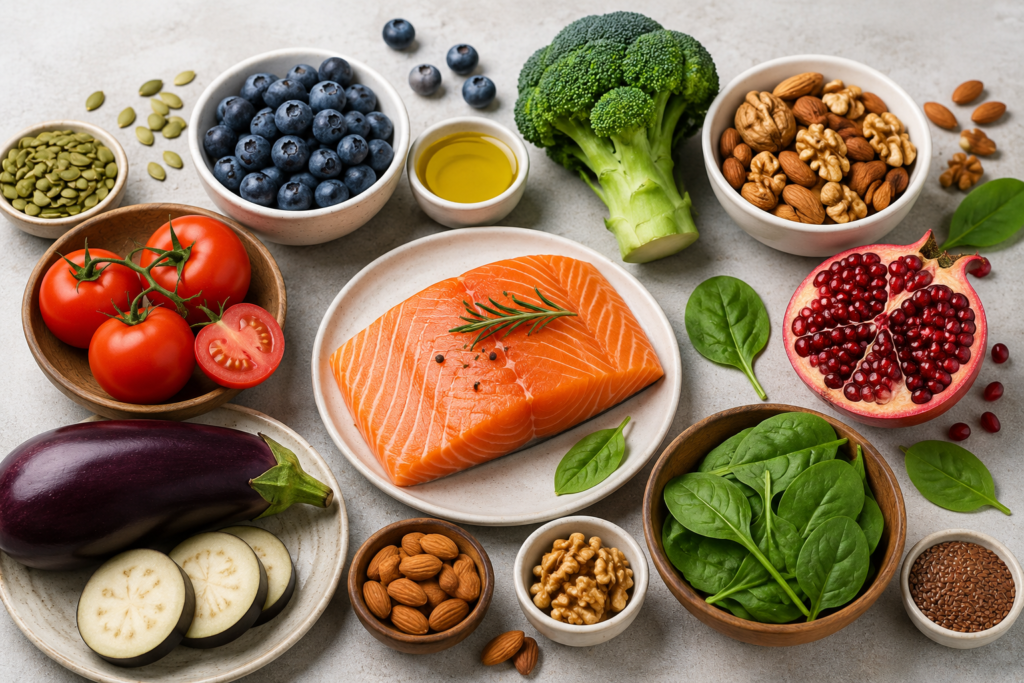
Blueberries are cited as a representative antioxidant food. The anthocyanins abundant in blueberries are known to help eliminate free radicals. Frozen blueberries are also easy to incorporate into a daily routine without significant loss of nutritional value.
Eggplants have also recently come into the spotlight. Nasunin, found in the purple skin of eggplants, is known as a powerful antioxidant. Many people think of eggplants merely as a vegetable with high water content, but they are actually one of the top purple antioxidant foods. Grilling or stir-frying minimizes nutritional loss and makes them easy to consume.
Tomatoes are also essential. Lycopene in tomatoes is a potent antioxidant, and its absorption rate in the body increases when heated. This is why dishes like tomato soup, stew, or tomato scrambled eggs are recommended.
Among fish, salmon is frequently mentioned. Salmon is rich in omega-3 fatty acids, selenium, and vitamin D. Omega-3 is known to potentially have a positive impact on reproductive health through its anti-inflammatory properties.
Nuts like walnuts and almonds are also good choices. Vitamin E, abundant in nuts, plays a role in protecting cell membranes from oxidative damage. Green and yellow vegetables like spinach and broccoli are rich in folic acid and various antioxidants, and are consistently recommended for women preparing for pregnancy.
Experts emphasize that it is more important to maintain a diet close to the Mediterranean diet rather than obsessing over one specific food. A diet centered on vegetables, fruits, fish, nuts, and olive oil is one of the most widely studied dietary patterns worldwide for its health benefits.
Most important of all is lifestyle. No matter how many blueberries and pomegranates you eat, if you are sleep-deprived and continue to smoke and drink, the expected effects will be limited. Maintaining an appropriate weight, regular exercise, sufficient sleep, and a balanced diet can have a greater impact than antioxidant foods alone.
Ultimately, what older women facing infertility need is not a miracle food, but consistent management.
A handful of blueberries, a plate of eggplant, and a piece of salmon cannot make an egg younger. However, they can be small choices that help the remaining eggs perform their roles in the best possible environment. One should consider that the success or failure of infertility treatment is determined not by a special meal, but by daily habits.