
Folic Acid: The Starting Line for a Healthy Fetus
If you ask an obstetrician what supplement they recommend first to a woman preparing for pregnancy, they will recommend folic acid without hesitation.
While iron and vitamin D are also important, if you had to choose just one nutrient that must be managed from before pregnancy, it is undoubtedly folic acid. The reason is surprisingly simple: folic acid is the very first nutrient a fetus needs.
Women often begin taking supplements only after confirming their pregnancy. However, the biological timetable of life is much faster than the human one. The fetus’s brain and spinal cord begin to form even before the two lines appear on a pregnancy test.
This structure, called the “neural tube,” forms between 4 and 6 weeks of gestation. The problem is that a significant number of women do not yet know they are pregnant during that period. Often, a mother-to-be does not even know she is pregnant while crucial construction that could determine the fetus’s entire life is already underway.
This is why doctors recommend taking folic acid not after pregnancy, but before pregnancy.
Folic acid is a type of vitamin B that plays a pivotal role in cell division and DNA synthesis. Humans start as a single fertilized egg cell and grow into beings with tens of trillions of cells. That process is a continuous sequence of replication and division. Folic acid is the material required for that massive replication of life. This is why reproductive medicine focuses so much on it.
Recent research shows that folic acid may go beyond simply preventing fetal malformations and also influence the stability of genetic material in eggs and sperm. In men, in particular, studies have reported that folic acid deficiency can be linked to increased DNA damage in sperm.
Pregnancy is no longer a task for women to prepare for alone. A healthy life is created by healthy eggs and healthy sperm together. This is why some reproductive medicine experts now recommend folic acid to both partners preparing for pregnancy.
The field where the value of folic acid has been most clearly proven is the prevention of neural tube defects. Neural tube defects are conditions where the fetus’s brain and spinal cord do not form properly; the most prominent examples are anencephaly and spina bifida. This is precisely why the World Health Organization (WHO), the U.S. Centers for Disease Control and Prevention (CDC), and obstetric societies worldwide recommend folic acid for women planning pregnancy.
Modern medicine still cannot perfectly prevent many congenital diseases. However, neural tube defects are relatively clear-cut. Countless studies have confirmed that supplementing with folic acid can significantly reduce the risk.
It is surprising when you think about it. The massive project of life—where trillions of cells are created, a heart begins to beat, and a brain is formed—actually requires the help of a tiny vitamin. We often think of life only as a massive miracle, but life always begins on the basis of very small things: a single invisible cell, a single strand of invisible DNA, and a single folic acid pill that looks so small when placed on a palm.
Of course, folic acid is not a cure-all. Taking it does not guarantee pregnancy, nor can it prevent all congenital diseases. But it is certainly one of the most reliable preparations for pregnancy that modern medicine has identified.
Life does not emerge suddenly one day. It is prepared before fertilization, designed before implantation, and begins to be built before you even know you are pregnant. And at that starting point, there is always folic acid. It may be a small, ordinary vitamin, but at times, it becomes the greatest preparation to protect a person’s entire lifetime.
Folic Acid Starts at the Dining Table
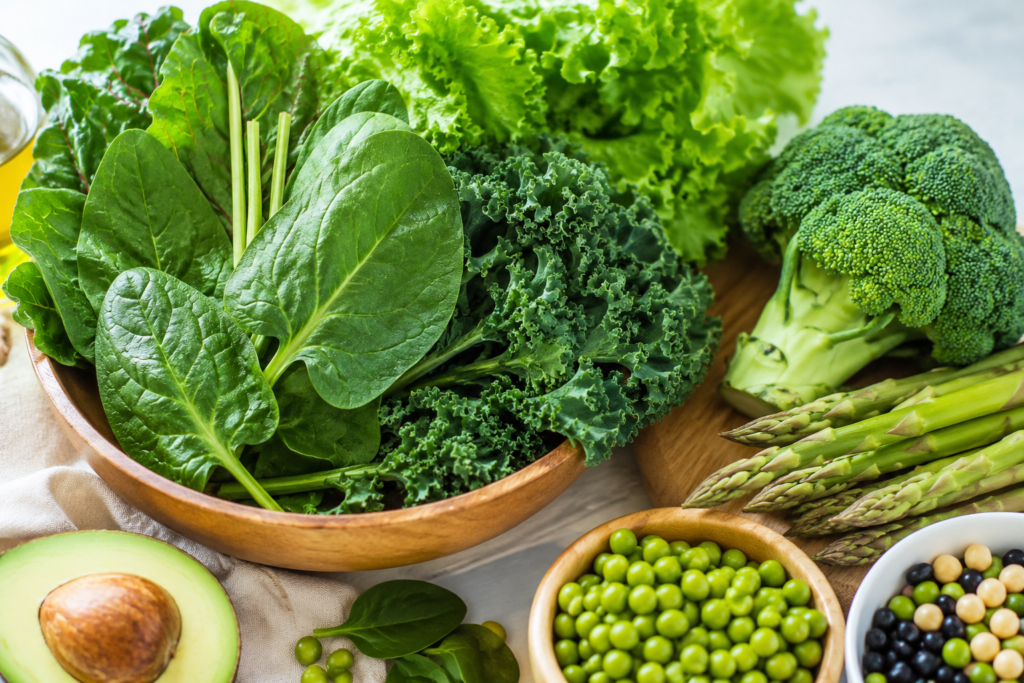
Where can you get folic acid? Although the name makes it sound like a supplement you buy at a pharmacy, folic acid is a nutrient that originally exists in food. The name “folic acid” is derived from the Latin word folium, meaning leaf, because it was first discovered in green leafy vegetables like spinach.
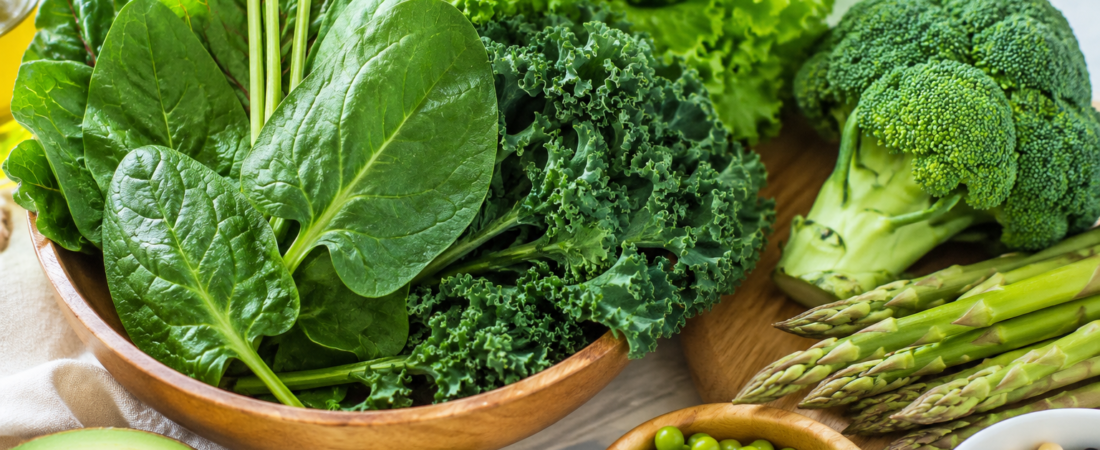
Representative foods rich in folic acid include green vegetables like spinach, kale, lettuce, broccoli, and asparagus. Legumes such as black beans, kidney beans, chickpeas, and lentils, as well as fruits like oranges, tangerines, strawberries, and avocados, are also good sources. Among animal-based foods, beef liver and chicken liver have particularly high content, and egg yolks are also helpful.
However, folic acid is sensitive to heat and water. A significant amount can be lost if boiled or cooked for a long time, so it is better to eat vegetables as fresh as possible or cook them briefly. Therefore, it is generally recommended to maintain a balanced diet and, since it may be difficult to get enough from food alone for women preparing for pregnancy, to also take a folic acid supplement.
There is an interesting point here: folic acid is a more fragile nutrient than you might think. It is easily destroyed by prolonged heating and dissolves in water, making it prone to loss during cooking. If you boil spinach thoroughly and discard the water, a significant amount of folic acid may disappear. That is why eating fresh vegetables in salads or blanching them briefly is advantageous for preserving folic acid.
The problem is reality. The recommended daily folic acid intake for women preparing for pregnancy is higher than that of the general adult population. However, it is not as easy as one might think for busy modern people to eat a sufficient amount of green vegetables and legumes every day. This is why obstetrics societies in many countries recommend folic acid supplements before pregnancy, separate from food intake.
Food is the foundation, and supplements are the safety net. You don’t need fewer supplements just because you eat your vegetables well, nor should you neglect your meals just because you take supplements. A healthy preparation for pregnancy is not completed by either the dining table or the medicine cabinet alone.
The work of creating the first blueprint for life is simpler than you might think. A plate of spinach on the dinner table tonight and a small folic acid pill swallowed tomorrow morning might be the most important construction materials for the future fetus.