
The Most Common Misconception Surrounding Menstrual Pain
“Isn’t that something you can just endure?”
There are pains in this world that are difficult to understand if you haven’t experienced them yourself.
Someone who has never had a toothache finds it hard to imagine the throbbing agony of a nerve, and those without migraines often dismiss the symptoms—where even light feels painful—as an exaggeration. Menstrual pain is much the same. Because there are no visible wounds, many people dismiss it as a mere inconvenience.
Medically, menstrual pain is never a matter of imagination or sensitivity. In reality, very complex physiological changes are occurring within the body. A woman’s body thickens its endometrium (uterine lining) due to female hormones (estrogen) as eggs grow and prepare for ovulation.
However, if the fertilized egg does not implant, the thickened lining is no longer needed, and the body begins the process of discharging it along with blood. This is menstruation (the period). If pregnancy does not occur, this cycle of menstrual blood discharge typically repeats every 28 days.
The menstrual process is more dynamic than you might think.
The uterus contracts repeatedly to discharge internal tissue and blood. A substance called prostaglandin, secreted at this time, assists in uterine contraction but simultaneously induces pain. The higher the secretion volume, the stronger the uterine contraction, and the more severe the pain. Ultimately, menstrual pain is a biological phenomenon caused by actual muscle contractions and chemical actions.
Symptoms are not limited to lower abdominal pain. It is not uncommon for women to experience back pain so severe it feels like the spine is breaking, nausea, vomiting, diarrhea, and headaches.
Some women experience pain so intense that they struggle with daily life even after taking painkillers. Conversely, others go through their menstrual period with almost no pain at all. This is why the perceived intensity of the same process varies greatly from person to person.
Young women without childbirth experience often suffer from more severe menstrual pain. This is because the cervix is relatively narrow and rigid.
The uterus must exert greater force to discharge the same amount of content, which can increase the level of pain in the process. The fact that many women report a decrease in menstrual pain after childbirth is related to these physical changes.
However, there is a point that must be addressed: severe menstrual pain should not be assumed to be “normal.”
If the pain worsens or cannot be controlled by painkillers, there is a possibility that underlying conditions such as endometriosis, adenomyosis, uterine fibroids, or pelvic inflammatory disease may be present. Menstrual pain can be a warning signal from the body, not just a simple symptom. If left unchecked, it can lead to infertility.
How much does our society understand the pain caused by menstruation? People often empathize with visible wounds but are stingy toward pain occurring inside the body. In particular, menstrual pain is often considered something women should naturally endure. However, medicine says otherwise. Menstrual pain is not a lack of mental strength or willpower; it is an actual physical reaction.
What we need to do is not view menstrual pain as a matter of “special treatment,” but simply understand it as a medical phenomenon. While the level of pain varies by individual, the fact that the suffering exists is undeniable. Understanding starts with empathy, and empathy starts with accurate knowledge. This is why a proper understanding of menstrual pain is necessary.
Menstrual leave is a system that grants one day of leave per month upon request by a female employee and is a right guaranteed under the Labor Standards Act. Some men hold a negative view of this, feeling it is inequitable for a specific gender to be granted leave while working in the same workplace.
Men need to understand that menstruation is not a simple inconvenience but a physiological phenomenon that affects actual physical function. Many women experience abdominal pain, back pain, headaches, fatigue, and decreased concentration during their periods. Some suffer from pain so severe that even after taking medication, normal work is difficult. Conditions like endometriosis or adenomyosis can make daily life itself a struggle.
Menstrual leave is closer to a minimum protective measure considering a woman’s physical characteristics than a special benefit. Society already protects individual health and life through various systems such as sick leave, maternity leave, and parental leave. Menstrual leave can be understood in the same context.
The real problem we should be contemplating is not the existence of menstrual leave, but why so many women feel they must “walk on eggshells” to exercise their legitimate rights.
Menstruation is not a choice. Whether we view menstrual leave as a privilege or as consideration reflecting physical reality is ultimately a question of how much we can understand and respect our differences.
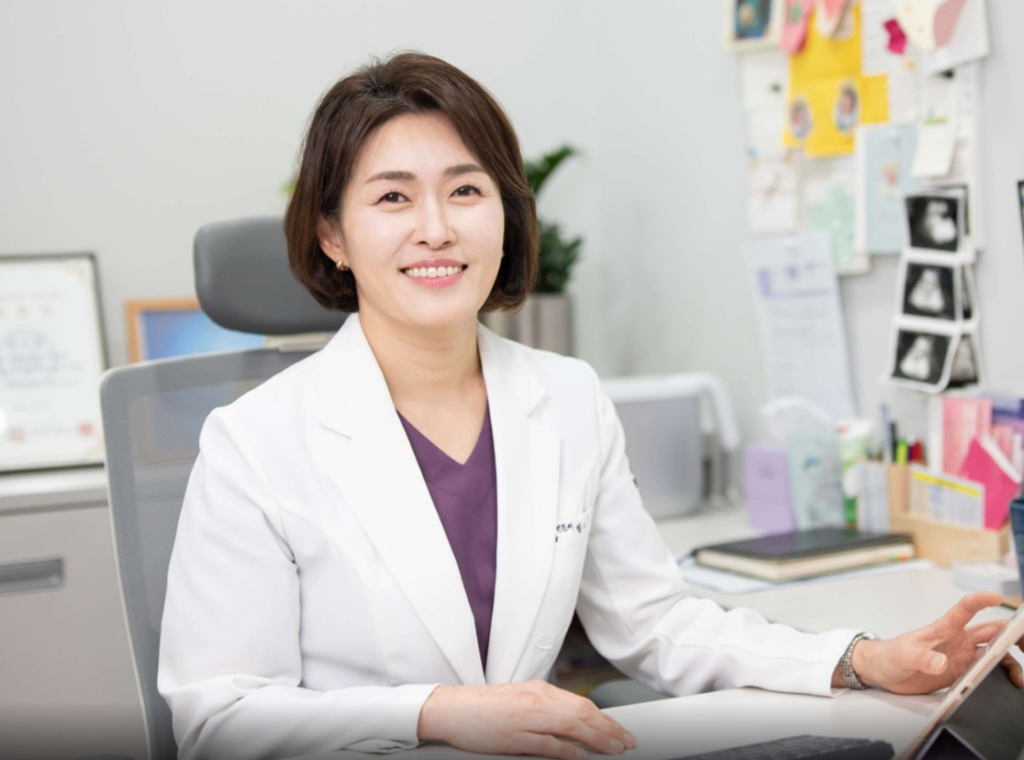
Park Soo-hyun, M.D., is a fertility specialist who has devoted 24 years to the field of fertility treatment and reproductive medicine after graduating from Yonsei University College of Medicine. To date, she has performed approximately 15,000 IVF (in vitro fertilization) procedures and currently serves as the representative director of Yonsei Ai-Bom Women’s Clinic.