
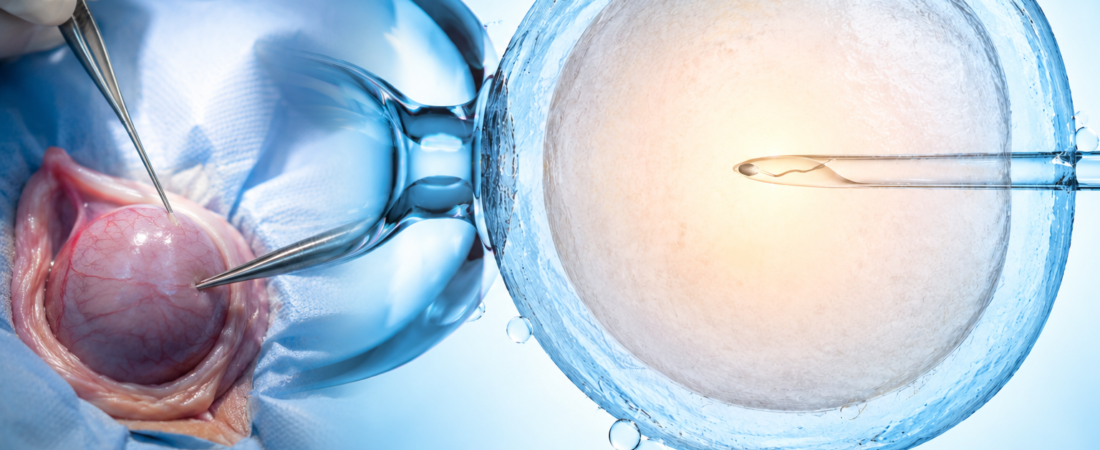
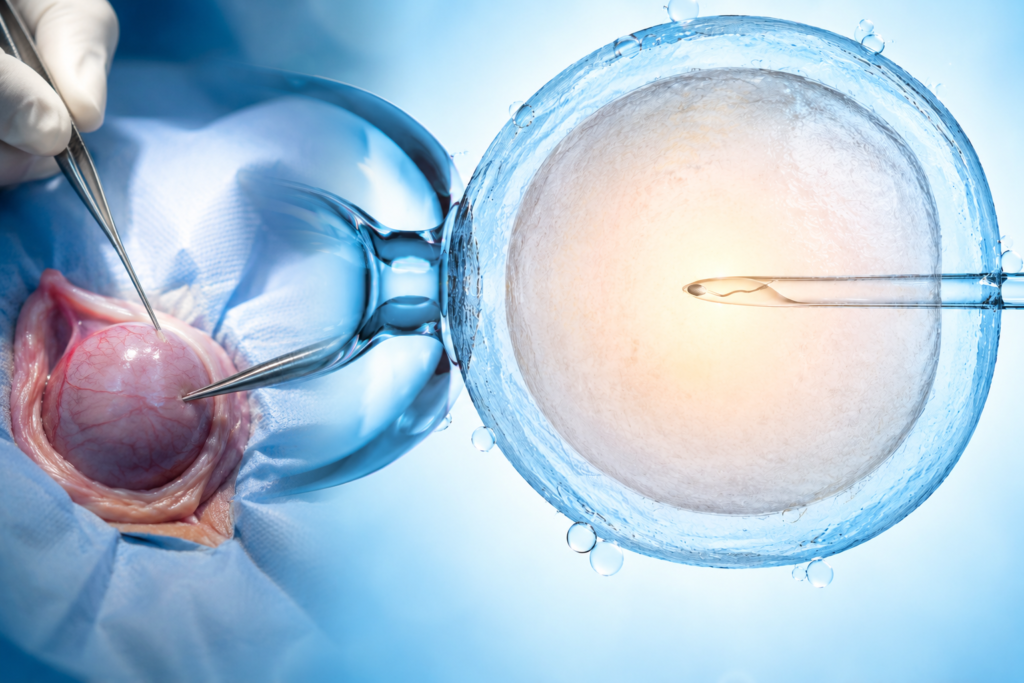
When couples embark on the journey of In Vitro Fertilization (IVF), most envision the standard procedure: the male partner provides a semen sample, and the sperm are retrieved to be fertilized with the eggs in the laboratory. However, there are cases where the procedure takes a more complex path. In instances where no sperm is found in the ejaculate, clinicians may perform a surgical retrieval directly from the testes. In such cases, Intracytoplasmic Sperm Injection (ICSI) is almost invariably the chosen method.
Understanding Azoospermia To understand why ICSI is mandatory here, we must first look at why testicular sperm retrieval is performed. This is primarily for men with azoospermia—a condition where no sperm are found in the ejaculate.
- Obstructive Azoospermia: Sperm are produced normally, but the transport ducts are blocked due to prior vasectomy, congenital absence, or post-infection scarring.
- Non-Obstructive Azoospermia: The testes’ ability to produce sperm is severely compromised, yet not entirely halted. Micro-dissection Testicular Sperm Extraction (micro-TESE) can sometimes identify small pockets of sperm production within the testicular tissue.
Why ICSI is Non-Negotiable for Testicular Sperm Whether the azoospermia is obstructive or non-obstructive, sperm retrieved from the testes are almost exclusively used with ICSI. The reasons are both logistical and biological:
- Extreme Scarcity: In many cases, only a few viable sperm are recovered from the testicular tissue. With such a low volume, the “natural competition” that occurs in standard IVF—where thousands of sperm surround an egg—is impossible to replicate.
- Biological Immaturity: Sperm produced in the testes are not yet fully mature. They must pass through the epididymis to acquire motility and fertilization capacity. Sperm retrieved directly from the testes lack these faculties; they cannot swim to the egg nor do they possess the intrinsic ability to penetrate the egg’s outer shell.
The Role of ICSI ICSI—Intracytoplasmic Sperm Injection—is essentially “forced fertilization.” Using a glass needle far thinner than a human hair, an embryologist manually selects a single sperm and injects it directly into the cytoplasm of the egg. This technique bridges the gap between the sperm’s biological immaturity and the requirement for a successful pregnancy.
The Hidden Advantage: DNA Integrity Interestingly, testicular sperm is not always “inferior” to ejaculated sperm. Some research suggests that in specific patient populations—particularly those with high levels of Sperm DNA Fragmentation (DFI) caused by oxidative stress during the transit through the male reproductive tract—testicular sperm may actually exhibit lower DNA damage. In these cases, using testicular sperm with ICSI can potentially improve pregnancy outcomes.
Conclusion: A Gateway to Parenthood Testicular sperm extraction is not merely a “last resort for sperm count.” It is a transformative technology that has opened the possibility of biological parenthood for men who were previously considered untreatable. ICSI is the final, essential key that unlocks this possibility, allowing even a single sperm cell—otherwise hidden and incapable of fertilization—to become the starting point of a new life.
Sources: ASRM guidelines on azoospermia and male infertility; EAU recommendations on male sexual dysfunction; AUA clinical practice guidelines on male infertility.
Disclaimer: This report is for informational purposes. The use of ICSI and surgical sperm retrieval depends on individual clinical history. Please consult with a reproductive urologist or fertility specialist regarding your specific medical path.