
Many women report a consistent, uncomfortable phenomenon: as menstruation approaches, the belly swells, gas becomes an issue, and clothing suddenly feels tight. It is common to dismiss this as “just feeling sensitive,” but the medical reality is far more concrete. Menstruation is not just a uterine event; it is a systemic physiological shift that sends shockwaves through your digestive tract.
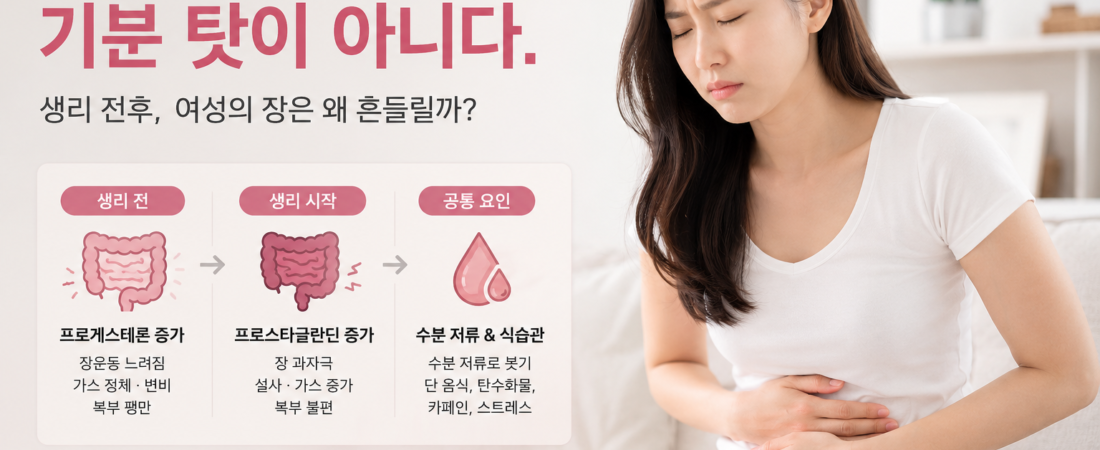
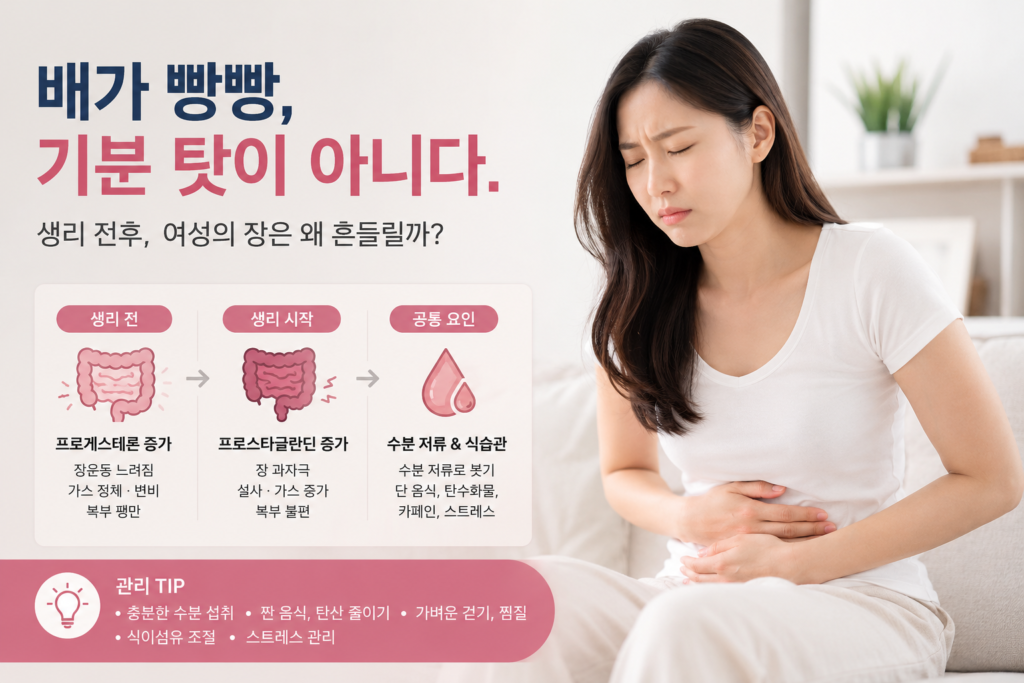
The Progesterone Slowdown After ovulation, levels of progesterone rise in preparation for a potential pregnancy. While this hormone is essential for uterine stability, it is also a smooth muscle relaxant. It doesn’t just relax the uterus; it slows down the motility of the entire gastrointestinal tract. When the gut moves more slowly, food lingers longer, leading to increased fermentation, gas buildup, and the feeling of a “balloon” in the abdomen. This is why constipation and bloating are hallmarks of the premenstrual phase.
The Prostaglandin Surge When menstruation actually begins, the script flips. The body releases high levels of prostaglandins—substances that trigger uterine contractions to shed the lining. However, prostaglandins are not selective; they stimulate contractions in the nearby bowels as well. This leads to the opposite problem: hyper-motility, which can manifest as cramping, diarrhea, and intense, sharp gas pains.
The Fluid Balance & Lifestyle Factor
- Water Retention: In the days leading up to your period, your body tends to retain more fluid. This systemic fluid retention manifests in the abdomen just as it does in the face and fingers, amplifying the sensation of bloating.
- The Craving Loop: Hormonal shifts often trigger cravings for refined carbohydrates, chocolate, and salty snacks. These foods are notorious for increasing gas production and systemic inflammation, creating a feedback loop that worsens gastrointestinal distress.
When to Look Deeper While menstrual bloating is a common experience, it is important to distinguish between “normal” discomfort and potential pathology.
- The Endometriosis Link: For some, severe bloating accompanied by intense pelvic pain may be a symptom of endometriosis, where endometrial tissue exists outside the uterus, causing inflammation in the pelvic cavity that irritates the bowel during menstruation. If your symptoms feel like a “biological emergency” every month, consult a gynecologist to rule out structural inflammatory conditions.
Practical Strategies for Relief Your body is not “broken”; it is navigating a complex hormonal cycle. You can help smooth this transition with simple, evidence-based adjustments:
- Hydration: Increasing water intake helps combat systemic fluid retention.
- Movement: Gentle walking stimulates the bowels mechanically, helping to move trapped gas and reduce bloating.
- Dietary Mindfulness: Try to swap high-sodium and processed snacks for magnesium-rich foods (like leafy greens and nuts) which can help reduce both bloating and muscle cramping.
- Heat Therapy: A warm compress on the lower abdomen helps relax the muscles of both the uterus and the intestines, alleviating the “cramping” sensation.
Conclusion: Honor Your Body’s Rhythm The bloating and digestive distress you feel during your period are the results of a massive biological storm. Acknowledging that this is a predictable, hormonal event rather than a personal failure can significantly reduce the stress associated with these days. Your gut and your reproductive system are in a constant hormonal dialogue; understanding that rhythm is the first step toward managing it with grace.
Sources: Guidelines from the American College of Obstetricians and Gynecologists (ACOG) on PMS; Mayo Clinic clinical resources on hormones and gastrointestinal health.
Disclaimer: This report is for informational purposes. If your menstrual bloating is accompanied by debilitating pain, chronic diarrhea, or symptoms that prevent you from daily functioning, please consult a healthcare professional.