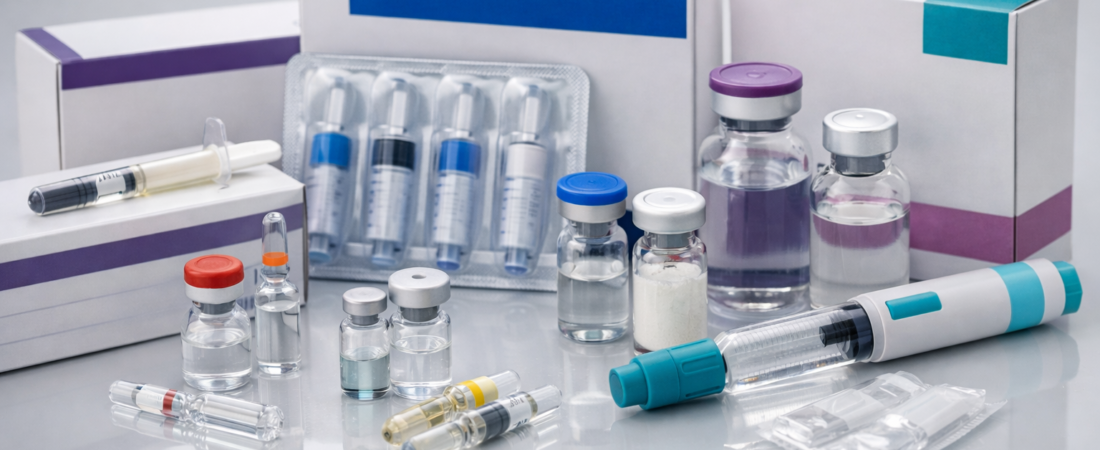
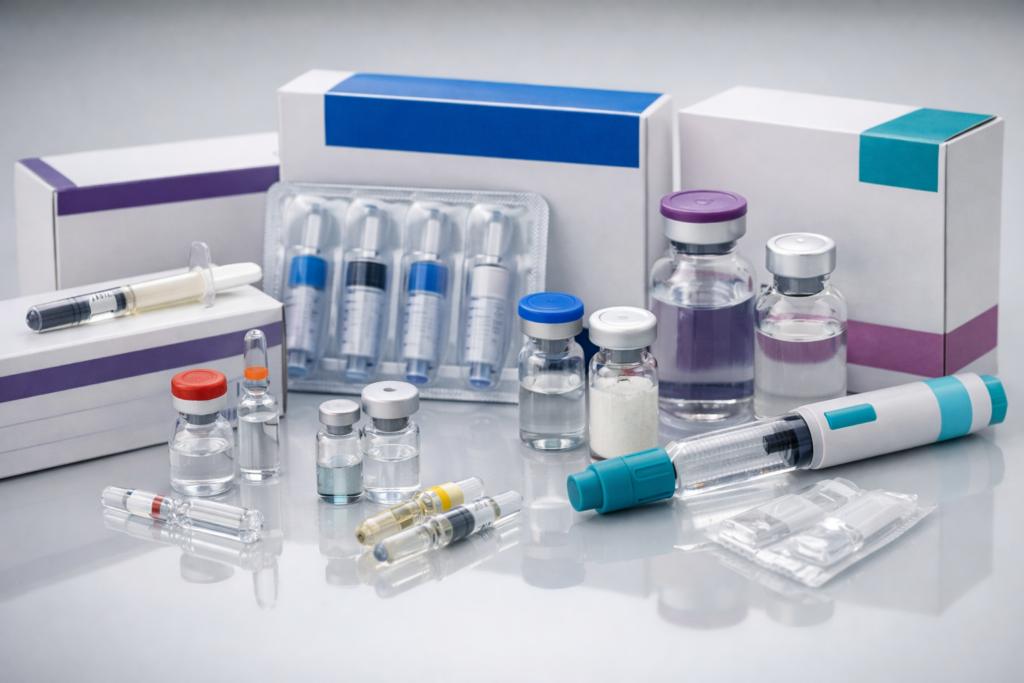
“Are fertility injections harmful?” This is the first question most couples ask when stepping into an IVF cycle. The honest answer is not a simple “yes” or “no”—it is a question of intent, precision, and the delicate balance between therapeutic benefit and systemic burden.
The Biology of Overload In a natural cycle, the body is highly selective, nurturing one follicle to ovulation while allowing others to regress. IVF intentionally disrupts this conservative system. By introducing Follicle-Stimulating Hormone (FSH) and Luteinizing Hormone (LH), we essentially flip the switch from a “single-selection” process to a “mass-recruitment” protocol. We are forcing the body into a state of controlled overload to harvest multiple eggs, compressing what would naturally take months of cycles into a single window of opportunity.
The Evolution of the “Signal” Early fertility drugs were crude, extracted from the urine of post-menopausal women. Today, we use recombinant DNA technology to synthesize hormones in laboratories. This allows for a precise, consistent concentration—a “volume knob” that doctors can turn to amplify the body’s natural signals.
The Risk of the ‘Volume Knob’ The most immediate medical concern with IVF stimulation is Ovarian Hyperstimulation Syndrome (OHSS). When the ovaries are overstimulated, they can swell, causing fluid to leak into the abdomen and, in severe cases, creating risks of blood clots.
Fortunately, modern protocols have become significantly more refined. Clinics now lean toward “precision dosing,” moving away from the “more is better” philosophy. The current clinical consensus is clear: excessive stimulation can actually decrease egg quality and impose unnecessary stress on the patient’s system.
Addressing the Long-Term Fear: The Link to Cancer The most persistent anxiety—the link to ovarian or breast cancer—remains a subject of intense study. While long-term data do not provide a definitive “no,” they do not provide a clear “yes” either. The relationship between infertility (the underlying biological condition) and the hormones used to treat it is complex, making it difficult to isolate the drugs as a direct cause. Current clinical guidance focuses on moderation and individual risk assessment, ensuring that the stimulation is only as aggressive as is medically necessary.
The Shift Toward ‘Low-Dose’ Precision The global standard of care is shifting. Rather than aiming for the maximum number of eggs possible, specialists are increasingly focused on obtaining a “quality cohort”—a smaller number of high-quality eggs that are more likely to result in healthy embryos.
This approach is highly personalized, based on:
- Age and Ovarian Reserve: Tailoring the dose to the patient’s specific capacity.
- Hormonal Rhythms: Adjusting based on how the patient’s body responds in real-time.
- Lifestyle & Health: Minimizing the “burden” on the patient’s system to support overall recovery.
Conclusion: A Tool, Not a Liability Is the overstimulation injection harmful? When used as a precision instrument, it is a treatment. When used in excess or without individualization, it is a burden.
The injection is simply an amplifier of the physician’s judgment. In the hands of a skilled specialist, it compresses time and maximizes the probability of success. It is not an enemy of your body; it is a strategic tool designed to navigate the statistical nature of reproduction.
The goal of modern IVF is not to overwhelm your body, but to synchronize it. We are looking for that “Goldilocks” dose—enough to give you a genuine chance, but measured enough to protect your long-term health. You are not just chasing a number; you are managing a system.
Sources: Guidelines from the European Society of Human Reproduction and Embryology (ESHRE), the American Society for Reproductive Medicine (ASRM), and the Korean Society for Reproductive Medicine (KSRM).
Disclaimer: This report is for informational purposes. Clinical decisions regarding medication protocols must be made in consultation with your reproductive endocrinologist, who will assess your personal health history, ovarian reserve, and risk profile.