
For women navigating the complexities of diminished ovarian reserve, L-Arginine is a familiar, albeit challenging, addition to their daily regimen. It is often synonymous with a nagging side effect: headaches. Yet, many women persist, enduring the discomfort in the hope of a single, elusive goal—successful implantation.
For years, the IVF narrative has been dominated by the oocyte. We focused on the quantity of eggs, the selection of embryos, and the sophistication of genetic screening. However, clinical outcomes have often remained stubbornly stagnant. When a high-quality embryo fails to implant, we are forced to confront a sobering realization: We have been focusing too much on the seed and not enough on the soil.
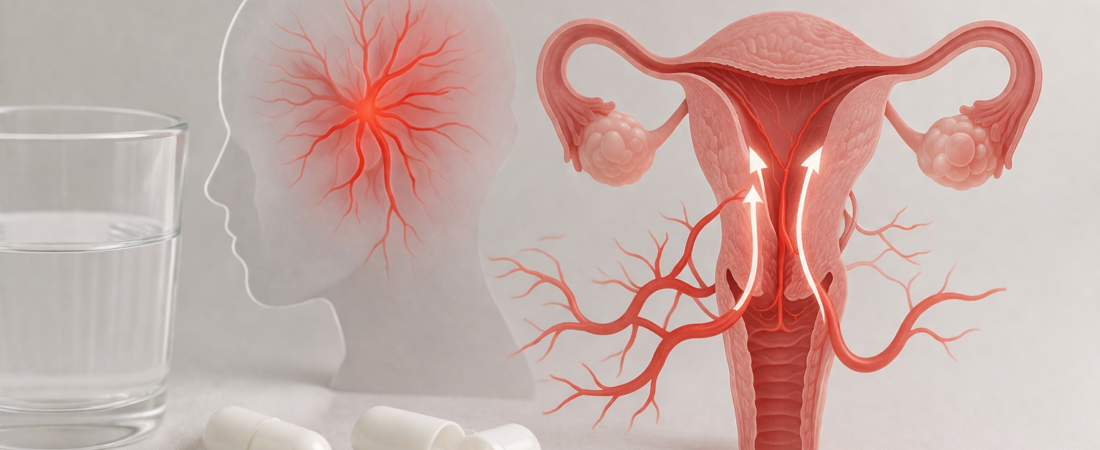
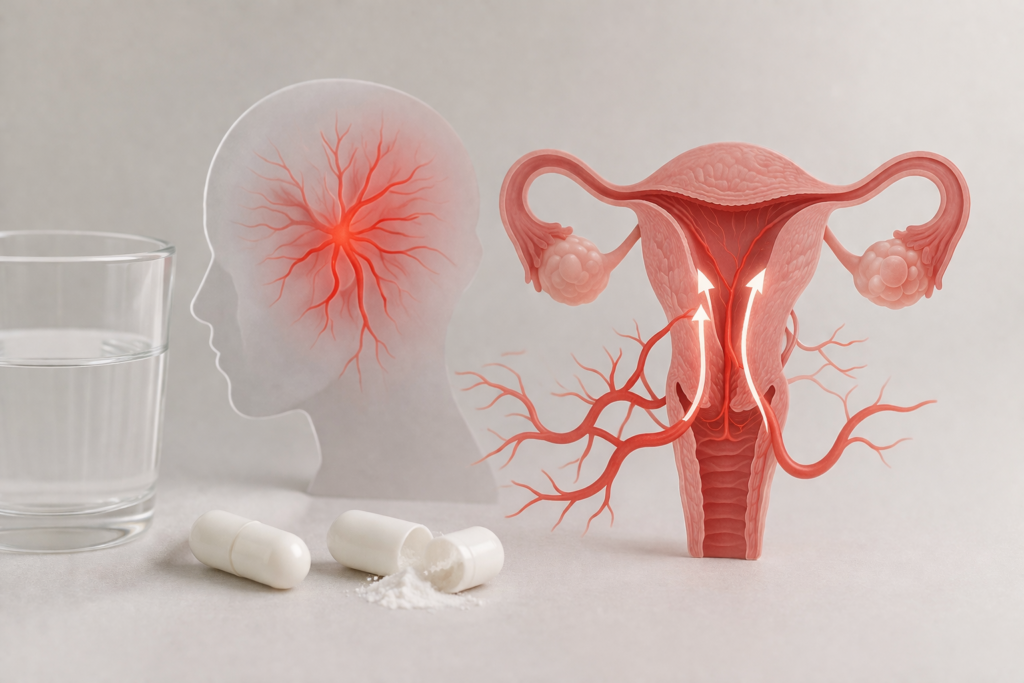
The Mechanism: Beyond Simple Circulation L-Arginine functions as a precursor to nitric oxide, a potent vasodilator. While textbooks describe this as “improving circulation,” the clinical reality is more precise: it changes the density and direction of blood flow. In the context of the uterus, it is an intentional strategy to push more oxygenated, nutrient-rich blood into the endometrial lining.
Implantation is not merely a structural event; it is a physiological one. It requires a specific immunological environment, adequate oxygenation, and precise nutrient delivery. The “texture” and health of the endometrium are defined by its blood supply. Placing a perfect embryo on a thin, poorly perfused lining is much like casting a seed onto a barren, dry rock—growth is impossible.
The “Shadow” of Treatment The primary hurdle with L-Arginine is its non-selective nature. It does not act exclusively on the uterus; it dilates blood vessels systemically, including those in the brain, often triggering headaches. For patients prone to migraines, this can be an immediate deterrent.
When patients ask, “Should I continue taking this despite the headache?”, they are not just asking about safety—they are asking for a clinical justification. The physician’s answer depends on a critical calculation: Is the primary barrier to pregnancy an oocyte quality issue, or is it an environmental one? If the clinical history points to a lack of endometrial receptivity, the headache is no longer viewed as a mere “side effect”—it is the clinical “shadow” of a treatment that is actively modifying the uterine environment.
Precision in Probability IVF is a game of probability. No single supplement acts as a “magic bullet” that guarantees success, but the cumulative effect of small, evidence-based adjustments can tilt the odds. Blood flow has long been an undervalued variable in this equation. We have been obsessed with FSH levels and follicle counts while remaining relatively insensitive to the “quality” of the space where the embryo resides.
For women with diminished ovarian reserve, L-Arginine is prescribed not to perform a miracle, but to systematically reduce the probability of failure. It is a signal that the focus of treatment is shifting from the laboratory culture dish to the biological reality of the maternal body.
Conclusion: A Shift in Treatment Philosophy Enduring the side effects of L-Arginine requires a change in mindset. It is not an act of blind faith, but a strategic decision to optimize the uterine environment.
The future of reproductive medicine lies in recognizing that a successful pregnancy requires a harmonious synergy between the embryo and the endometrium. By improving the perfusion of the uterus, we are not just increasing blood flow—we are building a home. Sometimes, the most significant breakthroughs are not found in new technology, but in the precision of how we prepare the body for the arrival of life.
Sources: Clinical literature on vasodilators and endometrial receptivity; standard protocols in reproductive endocrinology for improving blood flow in RIF (Recurrent Implantation Failure) patients.
Disclaimer: This report is for informational purposes. The use of L-Arginine as a therapeutic intervention should be managed by a reproductive specialist based on your specific clinical profile, including potential side effects like headaches or migraines.