Improving Mitochondrial Function by Adding Resveratrol to Culture Media
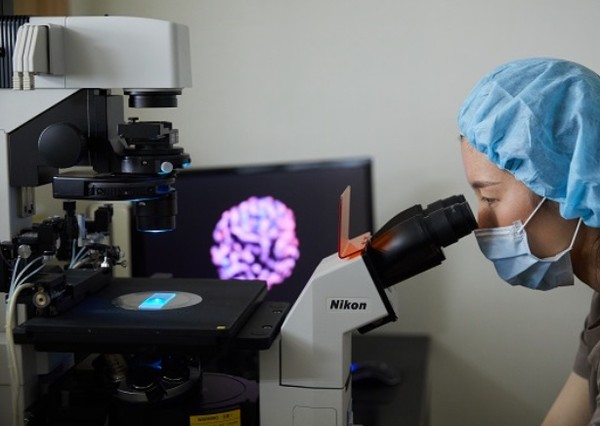
For women of advanced maternal age—particularly those dealing with diminished ovarian reserve (DOR)—there is promising medical news on the horizon. A specialized culture medium has been developed to revitalize the eggs and resulting embryos of older women or those with low ovarian reserve.
An egg is not just a simple reproductive cell; it is the largest and most complex cell in the human body. However, it remains deeply bound by the biological clock. Statistically, eggs from older women are more likely to exhibit diminished quality compared to those from younger individuals.
These low-quality eggs can be broadly categorized into two types:
- Eggs carrying chromosomal abnormalities.
- Chromosomally normal eggs that suffer from severe mitochondrial defects and metabolic frailty.
If an egg carries chromosomal abnormalities (Type 1), it will typically result in implantation failure or early miscarriage even if fertilization successfully occurs.
However, even if an egg contains a completely normal set of chromosomes (Type 2), a decline in cytoplasmic quality and mitochondrial metabolic power means the resulting embryo will fail to sustain the continuous cell divisions required to complete implantation. It is precisely for this latter group—where chromosomes are intact but mitochondrial energy is depleted—that this newly introduced, specialized culture medium has been confirmed to play a transformative role.
Biologically, eggs retrieved from older women often exhibit compromised quality and lower pregnancy success rates due to deteriorated mitochondrial function and an accumulation of oxidative stress. When an egg cell accumulates excessive reactive oxygen species (ROS) instead of healthy oxygen, it triggers DNA fragmentation, attacks the cellular membrane, and generates abnormal proteins. This cascading damage rapidly degrades overall mitochondrial health.
Consequently, while eggs harvested from an ovary with diminished reserve may appear morphologically healthy on the surface, they are highly likely to possess a significantly depleted mitochondrial count and impaired metabolic capacity.
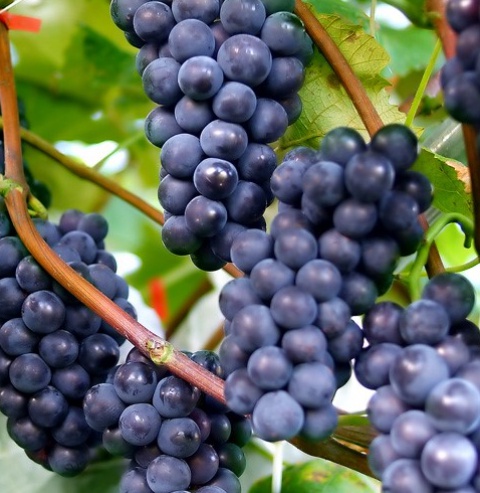
Resveratrol, a natural polyphenol and bioactive antioxidant found in red grapes, has been proven to deliver antioxidant effects 20 times more potent than vitamin C and 50 times more powerful than vitamin E.
What specific compound can breathe new life into these metabolically weakened eggs and their corresponding embryos?
The answer is resveratrol.
Resveratrol is a type of polyphenol, a highly bioactive natural antioxidant. It is already widely celebrated for its anti-aging efficacy, boasting an antioxidant capacity 20 times stronger than vitamin C and 50 times stronger than vitamin E. Beyond these benefits, resveratrol has been documented to exert anti-cancer, antioxidant, anti-viral, and anti-inflammatory properties, and is notably recognized for suppressing cellular aging in mammals.
To address the modern societal shift toward delayed childbearing and the sharp decline in pregnancy rates associated with maternal age, the embryology research team at Maria Fertility Hospital conducted extensive longitudinal experiments. Their goal was to pinpoint exactly how anti-aging resveratrol can inhibit senescence (aging) in eggs and embryos from older or DOR patients.
Utilizing eggs and embryos from aged mice (aged 60 weeks or older, biologically equivalent to a human woman in her 40s), the team discovered that adding resveratrol directly to the culture media significantly boosted embryo development, implantation, and ongoing pregnancy rates.
Furthermore, the study confirmed that resveratrol actively enhances mitochondrial function within aged embryos while drastically reducing the generation of harmful reactive oxygen species (ROS).
What makes this study uniquely significant is its methodology: while previous global research relied on artificially induced cellular aging in embryos, this study utilized embryos that had aged naturally within the maternal body. This ensures a much higher clinical relevance for future application in older fertility patients.
This groundbreaking research was published in the February 2020 issue of the renowned international peer-reviewed journal Aging, under the title: “Effects of resveratrol, granulocyte-macrophage colony-stimulating factor or dichloroacetic acid in the culture media on embryonic development and pregnancy rates in aged mice.”
Based on these verified findings, Maria Fertility Hospital has actively integrated this specialized culture media into clinical practice for patients aged 38 and older. The clinic confidently announced that patients utilizing this specialized medium achieved significantly higher pregnancy rates compared to those whose embryos were cultured in standard media.
The embryology team at Maria Fertility Hospital stated, “We are currently conducting advanced research using 3D microscopy integrated with artificial intelligence (AI) to deeply analyze the specific characteristics of eggs and embryos. We look forward to contributing even further to boosting pregnancy success rates for couples facing fertility challenges.”
In a separate development, a study published in the European fertility journal Reproduction (2015) demonstrated that besides its antioxidant capabilities, resveratrol serves as an excellent natural therapeutic agent for endometriosis by showing outstanding efficacy in regressing abnormal inflammatory cells.
Furthermore, the reproductive medicine community in Spain has published findings showing that resveratrol can actively enhance sperm production. Global fertility societies have reported that the compound stimulates the hypothalamic-pituitary-gonadal axis to increase spermatogenesis, shield sperm DNA from fragmentation, and exhibit excellent anti-apoptotic (cell-death prevention) effects.