
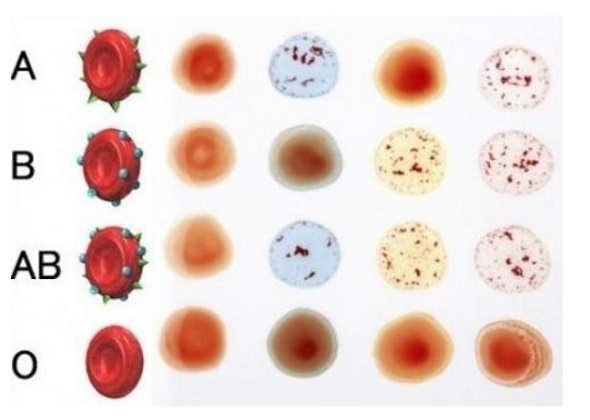
Recent research suggesting that individuals with blood type A may be relatively more vulnerable to COVID-19 has sparked widespread curiosity about the connection between blood types and medical conditions.
Does an individual’s blood type actually influence how their body responds to certain diseases? Furthermore, many wonder if it can exert any tangible impact on fertility and pregnancy.
As it turns out, studies indicate that there is indeed a subtle correlation between blood type and one’s ability to conceive.
According to a study conducted by the Albert Einstein College of Medicine in New York, women with blood type O may face more challenges in achieving pregnancy compared to those with other blood types.
The study, which evaluated 560 women with an average age of 35 or younger, revealed that women with blood type O tended to have a lower ovarian reserve and diminished egg quality compared to their peers.
Conversely, the findings suggested that women with blood type A generally exhibited a higher ovarian reserve and better egg quality than those with blood type O. Notably, individuals with blood type O were found to have significantly higher baseline levels of Follicle-Stimulating Hormone (FSH)—the hormone secreted by the pituitary gland to stimulate egg development.
Fertility specialists point out that elevated FSH levels are a classic indicator of diminished ovarian reserve, meaning the ovaries have to work harder because eggs are not maturing as readily, which ultimately leads to less frequent ovulation. Biologically, a woman’s ovarian function peaks and begins to decline progressively after the age of 35. Consequently, a high FSH level serves as a primary marker for a depleted egg supply.