
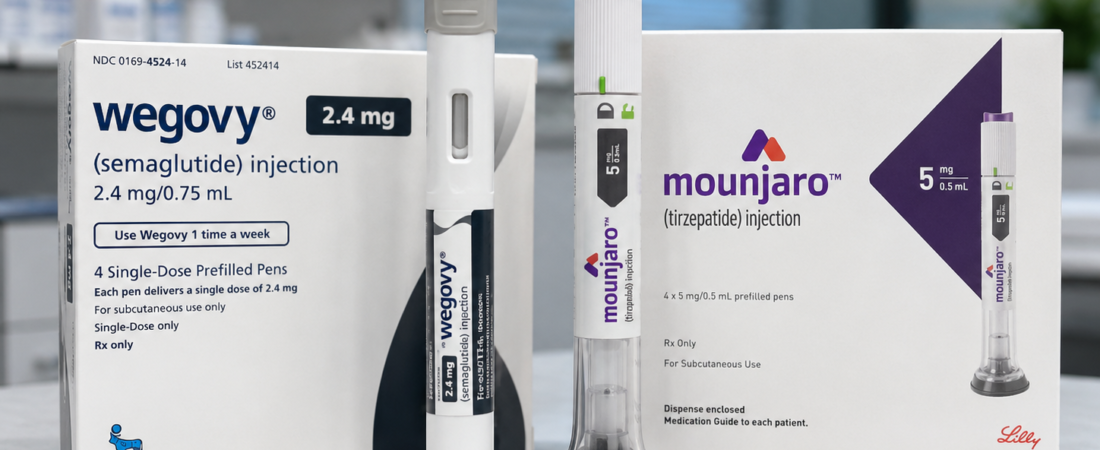
Why are unexpected pregnancies being called “Mounjaro babies”? Weight loss, changing ovulation patterns and tirzepatide’s interaction with oral contraception offer different pieces of the story. These medicines are not established fertility treatments, and pregnancy planning requires attention to product-specific safety guidance.
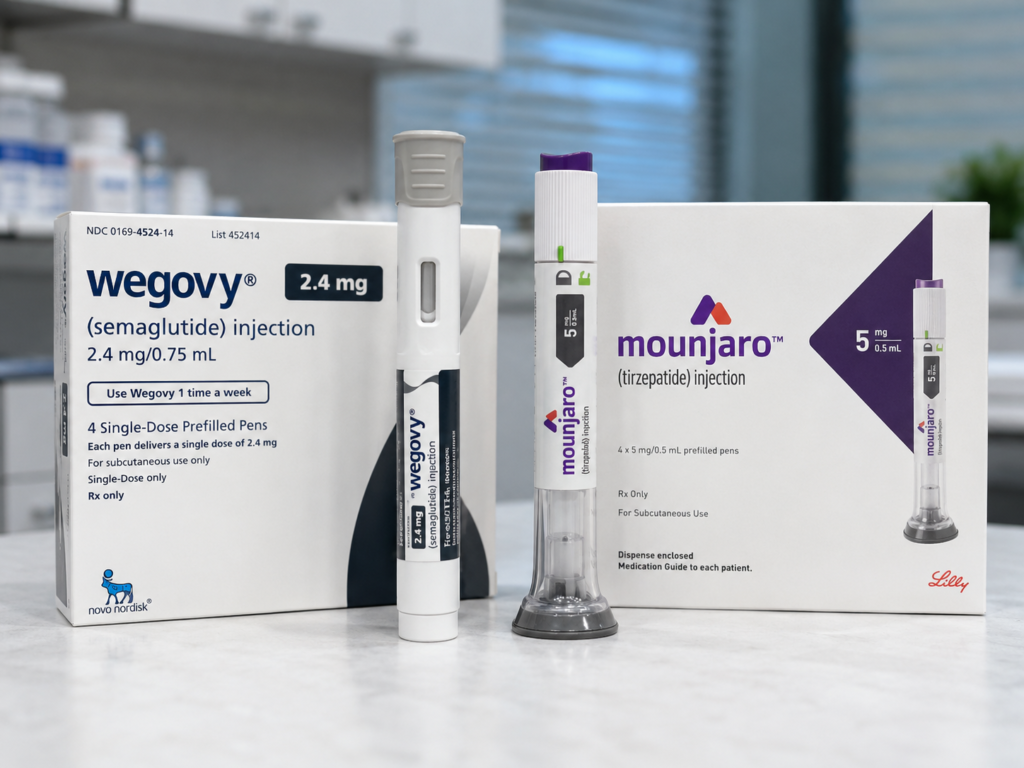
Weight Loss May Restore Irregular Menstrual and Ovulation Cycles… Leading to the Emergence of ‘Mounjaro Babies’ Mounjaro May Reduce the Effectiveness of Oral Contraceptives… Additional Contraception Advised for 4 Weeks After Initiation and Dose Escalation Discontinue Wegovy 2 Months and Mounjaro 1 Month Prior to Pregnancy Planning… “Insufficient Safety Data During Pregnancy”
“I took it just to lose weight, and I ended up getting pregnant.”
As weight-loss injections like Mounjaro and Wegovy take the world by storm, an unexpected issue is emerging into the spotlight: pregnancy.
Overseas, word-of-mouth experiences of women unexpectedly becoming pregnant while using GLP-1 receptor agonists have spread widely, giving rise to the term ‘Mounjaro baby.’
However, this does not mean Mounjaro is a drug that directly promotes pregnancy. Instead, attention must be paid to the dual reality that weight loss can alter a woman’s reproductive function while simultaneously creating vulnerabilities in contraception.
Restored Ovulation and the Contraceptive Loophole
For women whose menstruation and ovulation were irregular due to obesity or insulin resistance, losing weight and improving metabolic health can return their menstrual cycles to a regular pattern. Indeed, studies utilizing GLP-1 class medications in women with Polycystic Ovary Syndrome (PCOS) have reported improvements not only in weight and metabolic markers but also in menstrual regularity.
That said, this does not mean GLP-1 therapies inherently increase a woman’s fecundity. In particular, the exact direct effects of tirzepatide on human reproductive capacity have yet to be definitively established.
The complication lies in the addition of a contraceptive variable.
The UK Medicines and Healthcare products Regulatory Agency (MHRA) advises that overweight or obese women using tirzepatide—the active ingredient in Mounjaro—should not rely solely on oral contraceptive pills if they use them for birth control.
The agency recommends incorporating barrier methods, such as condoms, or switching to non-oral contraceptives like intrauterine devices (IUDs) or implants for 4 weeks after initiating Mounjaro, and for 4 weeks following each dose increase.
Mounjaro delays gastric emptying, which can potentially impact the absorption of oral contraceptives. Product information for tirzepatide notes study results showing a decrease in peak blood concentrations and overall exposure to oral contraceptive components.
While clinically significant impacts were not confirmed in normal-weight women, data regarding overweight and obese women remains insufficient, prompting the recommendation for supplementary contraception.
Consequently, if a woman who previously believed her chances of pregnancy were low due to irregular ovulation begins ovulating again following weight loss—while simultaneously experiencing compromised oral contraceptive efficacy during the early stages of Mounjaro use or dose escalation—the conditions for an “unexpected pregnancy” are created.
Pregnancy Risks and Discontinuation Guidelines
The greater concern arises once pregnancy occurs.
Currently, safety data for GLP-1 class weight-loss treatments during pregnancy is not fully established. The MHRA advises that pregnant women or those attempting to conceive should avoid using these medications.
While this does not mean fetal risks have been definitively confirmed in humans, data regarding exposure during pregnancy remains scarce, and adverse developmental effects have been observed in some animal studies, necessitating a precautionary approach.
If planning a pregnancy, the required washout periods differ by drug. Current official MHRA guidance recommends discontinuing semaglutide (the active ingredient in Wegovy and Ozempic) at least 2 months before attempting to conceive, and tirzepatide at least 1 month beforehand, ensuring adequate time for the medication to clear from the body.
Conclusion
Therefore, the term ‘Mounjaro baby’ can easily lead to misunderstandings. Mounjaro has not transformed into a fertility treatment, nor has it been proven that taking GLP-1 injections reliably enhances pregnancy success.
Rather, it serves as a warning that as obesity treatment succeeds, a woman’s underlying potential for ovulation shifts compared to the past. If contraception methods are kept unchanged while ignoring these physiological changes, unexpected pregnancies may follow.
Injections started to lose weight may not be entirely unrelated to a woman’s “reproductive clock.” For women of childbearing age embarking on Mounjaro or Wegovy, the bathroom scale is no longer the only metric to watch; family planning intentions and contraceptive methods must be jointly reviewed at the prescription stage.
※ This article was synthesized based on official safety recommendations from the UK Medicines and Healthcare products Regulatory Agency (MHRA), product information for tirzepatide and semaglutide, and existing research on GLP-1 class treatments and female reproductive function. It does not replace a specific individual’s diagnosis or treatment, and actual medical judgment must be made through consultation with a specialist.
※ Images: Created using generative AI (ChatGPT, OpenAI); depicts fictional individuals, not real people.
Related reading
The Weight-Loss Paradox": Navigating Wegovy and Mounjaro During IVF
Source: MHRA guidance on GLP-1 medicines, contraception and pregnancy.